
A BMX race rear hub does much more than hold the wheel in place.
It affects how quickly the bike responds when you push on the pedals, how efficiently power reaches the rear wheel, and how reliable the setup stays through hard gates, sprints, and repeated race laps.
Fast engagement is one of the biggest selling points, but it should not be the only reason to choose a hub.
Axle size, frame spacing, spoke count, cog compatibility, bearing quality, weight, brake support, and replacement-part availability all matter.

Get one of those details wrong, and the hub may not fit your current wheel or drivetrain at all. Bummer.
That’s why I checked the strongest BMX race rear hubs available and narrowed the list down to the ultimate options.
The picks below cover fast engagement, low weight, durability, value, and overall epic race performance.
I’ll also explain the compatibility details that matter, so you can choose a hub that fits your bike rather than simply buying the one with the highest engagement number.
This post covers:
- BMX Race Rear Cassette Hubs
- What Makes a Good BMX Race Rear Hub?
- How Much Rear-Hub Engagement Do BMX Racers Need?
- How To Choose the Right BMX Race Rear Hub
- Conclusion: Which BMX Race Rear Hub Should You Pick?
- FAQs About BMX Race Rear Hubs
Are you building a complete race wheel setup? Check my guide to the best BMX race front hubs, too.
BMX Race Rear Cassette Hubs
| Hub | Engagement | Axle | Cog Setup | Brake Type | Weight | Best For |
|---|---|---|---|---|---|---|
| Onyx Ultra ISO | Instant sprag-clutch engagement | 15mm thru-bolt | Shimano HG | Disc or rim | 14.4 oz | Best overall |
| Answer Holeshot Pro | 120 points / 3° | 3/8-inch female | Includes 16T steel cog | Disc or rim | 12.8 oz | Quick engagement |
| Profile Racing Elite | 204 points | 3/8-inch threaded axle | Includes 16T steel cog | Disc or rim | 14.6 oz | Premium pawl hub |
| Crupi Quad | 150 points / 2.4° | 3/8-inch female | Includes 16T steel cog | Disc or rim | 14.9 oz | Low-resistance engagement |
| Box Three Pro | 120 points / 3° | 3/8-inch female | Includes 16T steel cog | Disc or rim | 15.7 oz | Best value |
Note: Riders who do not want to build wheels from separate parts can explore my best BMX race wheelsets instead.
1. Onyx Ultra ISO Cassette HG Rear Hub
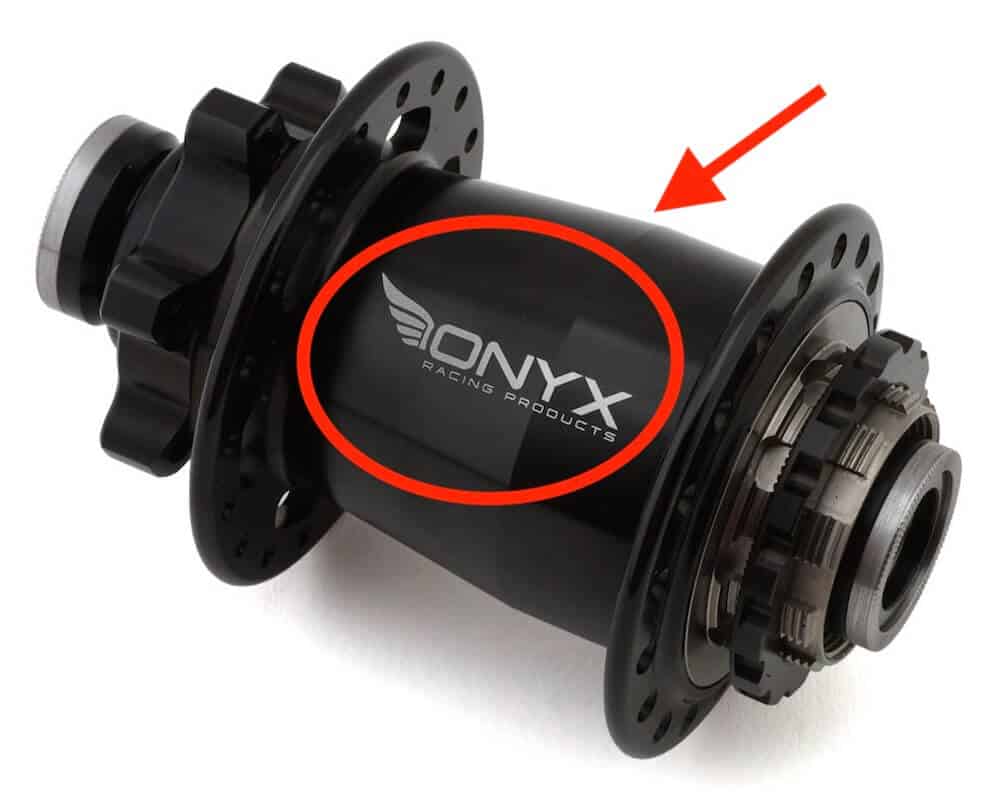
The Onyx Ultra ISO is built for racers who want instant engagement, silent coasting, and a rear hub that can handle powerful gate starts.
Its oversized sprag clutch transfers power without the delay of a traditional pawl system, while the CNC-machined 7075 aluminum shell and hybrid-ceramic bearings keep it smooth and race-ready.
This version uses 110mm spacing, a 15mm thru-bolt axle, 36H drilling, a Shimano Hyperglide driver, and an ISO six-bolt disc mount.
Just remember that the thru-bolt and cog are sold separately.
Note: Riders using rim brakes can choose the no-disc Onyx Ultra with a 10mm female axle and the same 36H HG setup instead.
For more ins and outs, read my extensive Onyx Ultra ISO HG hub review.
Onyx Ultra ISO HG hub specs:
- Axle: 15mm or 10mm
- Driver: Not included
- Weight: 14.4 oz (408.2 g)
- Price: $485.00
Or get the rim brake version HERE.
2. Answer Holeshot Pro Rear Hub
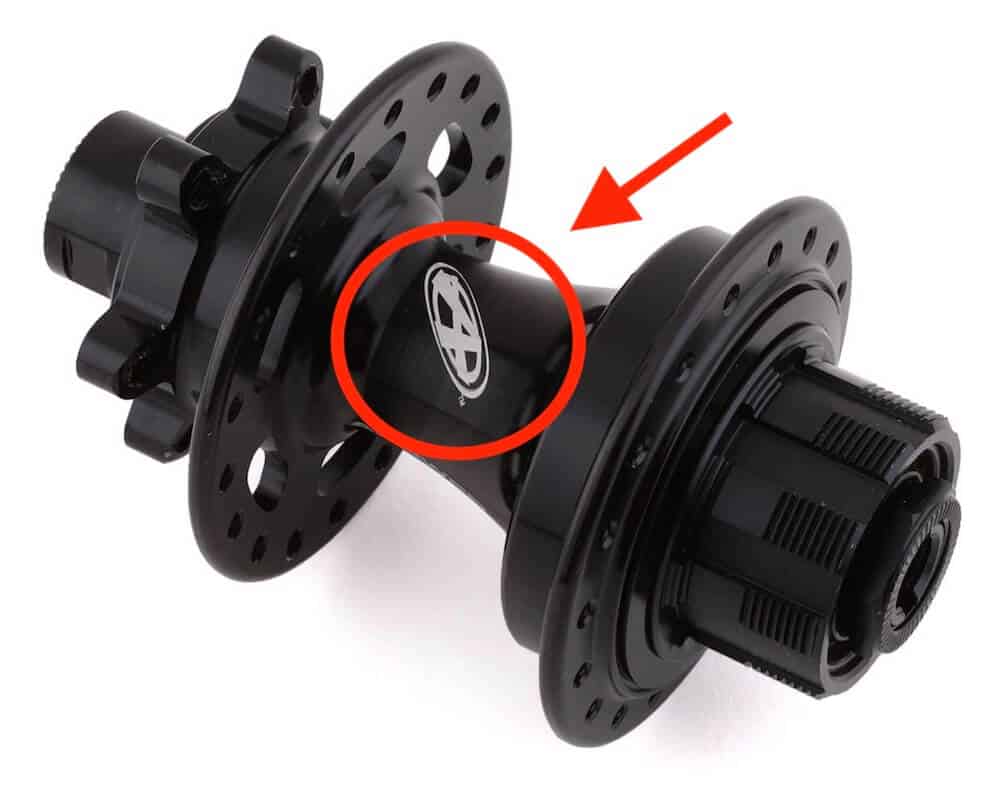

Fast pickup is the main reason to consider the Answer Holeshot Pro.
Its six-pawl aluminum driver uses three teeth per pawl and engages every 3°, helping reduce pedal delay during gate starts and short bursts of acceleration.
Answer pairs that system with a CNC-machined aluminum shell, sealed bearings, a hollow 14mm aluminum center axle, 3/8-inch chromoly axle bolts, and 36H drilling.
Moreover, a six-bolt disc mount is included, along with a Shimano-style 16T cog.
Note: Riders using rim brakes can choose the no-disc Holeshot Pro, which keeps the same engagement system, female axle, 36H drilling, and included 16T steel cog.
Answer Holeshot Pro hub specs:
- Axle: 10mm
- Driver: 16T
- Weight: 12.8 oz (362.9 g)
- Price: $350.00
Or get the rim brake version HERE.
3. Profile Racing Elite Rear Hub
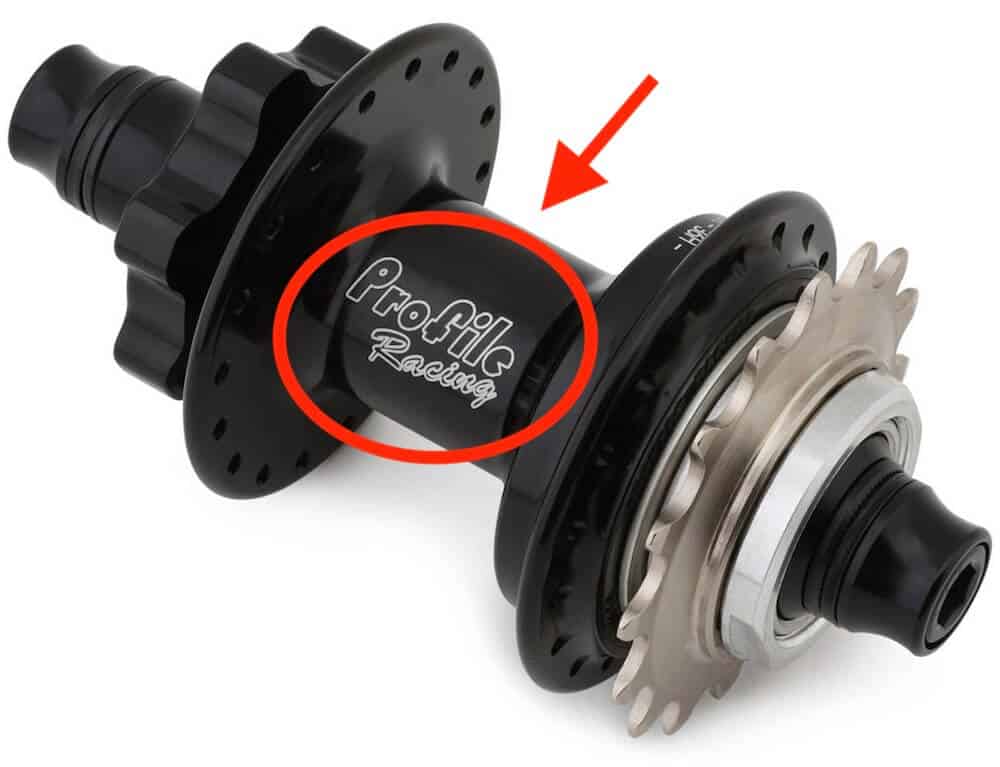
Built around a six-pawl driver with 204 engagement points, the Profile Racing Elite delivers extremely quick pickup and the loud, distinctive buzz many racers love.
If you haven’t heard it yet, you’ll know immediately what I mean when you hear it.
Power reaches the rear wheel almost immediately, which you’ll appreciate when racing hard.
This disc version uses standard 110mm spacing, 36H drilling, a 3/8-inch threaded aluminum axle, chromoly bolts, an aluminum splined driver, and an ISO six-bolt rotor mount.
It includes a 16T steel Profile cog and weighs 14.6 ounces.
Profile also adds knurled Volcano cones to grip the dropouts securely.
Prefer rim brakes? The no-disc Elite offers the same 204-point engagement system with several axle, driver, cog, and spoke-hole options.
Need a closer look at both hubs? Read my complete Profile Racing Elite cassette hub set review.
Profile Racing Elite hub specs:
- Axle: 10mm
- Driver: 16T
- Weight: 14.6 oz (413.9 g)
- Price: $394.99
Or get the rim brake version HERE.
4. Crupi Quad Rear Hub
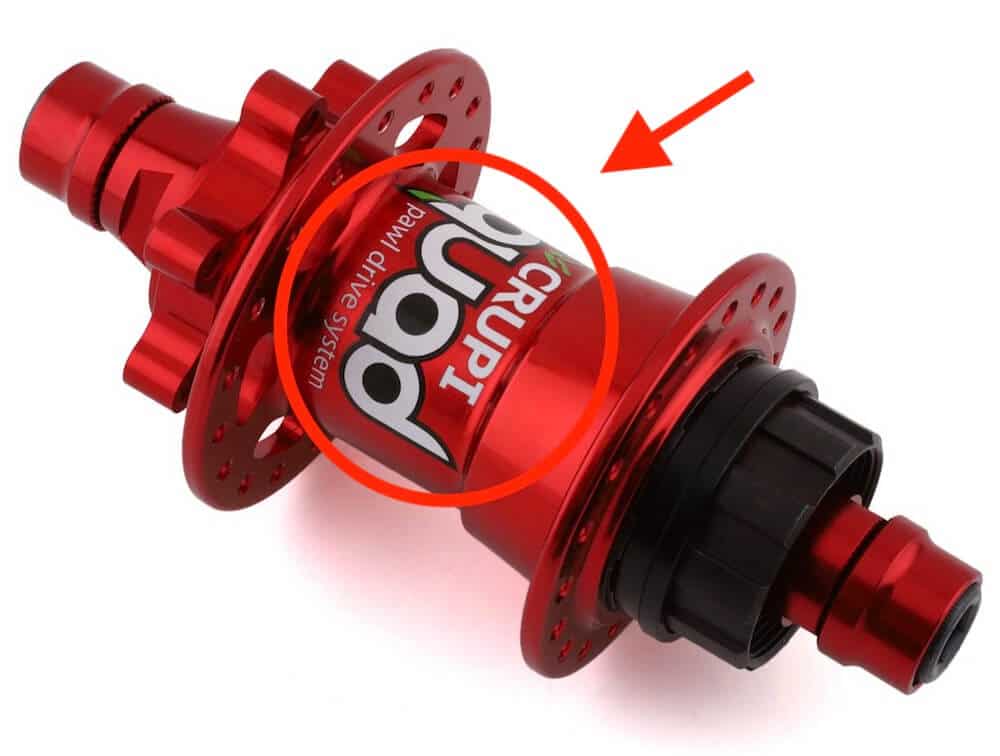
Crupi takes a slightly different approach with its Quad engagement system.
Instead of chasing a huge pawl count, it uses 150 ratchet teeth and fixed independent leaf springs to engage every 2.4°, delivering very quick pickup with low rolling resistance.
That combination suits racers who want an immediate response out of the gate without sacrificing smooth coasting speed.
The disc version includes a six-bolt rotor mount, sealed cartridge bearings, a 3/8-inch female axle, 36H drilling, a Shimano-compatible 16T steel cog, and four spacers for adjusting chain alignment.
Also, there’s a no-disc rim-brake version available with the same engagement system and drivetrain setup, while weighing slightly less at 14.6 ounces.
You can also get these as a complete Crupi Pro Disc wheelset or a Crupi Pro rim-brake wheelset.
Crupi Quad hub specs:
- Axle: 10mm
- Driver: 16T
- Weight: 14.9 oz (422.4 g)
- Price: $339.99
Or get the rim brake version HERE.
5. Box Three Pro Rear Hub
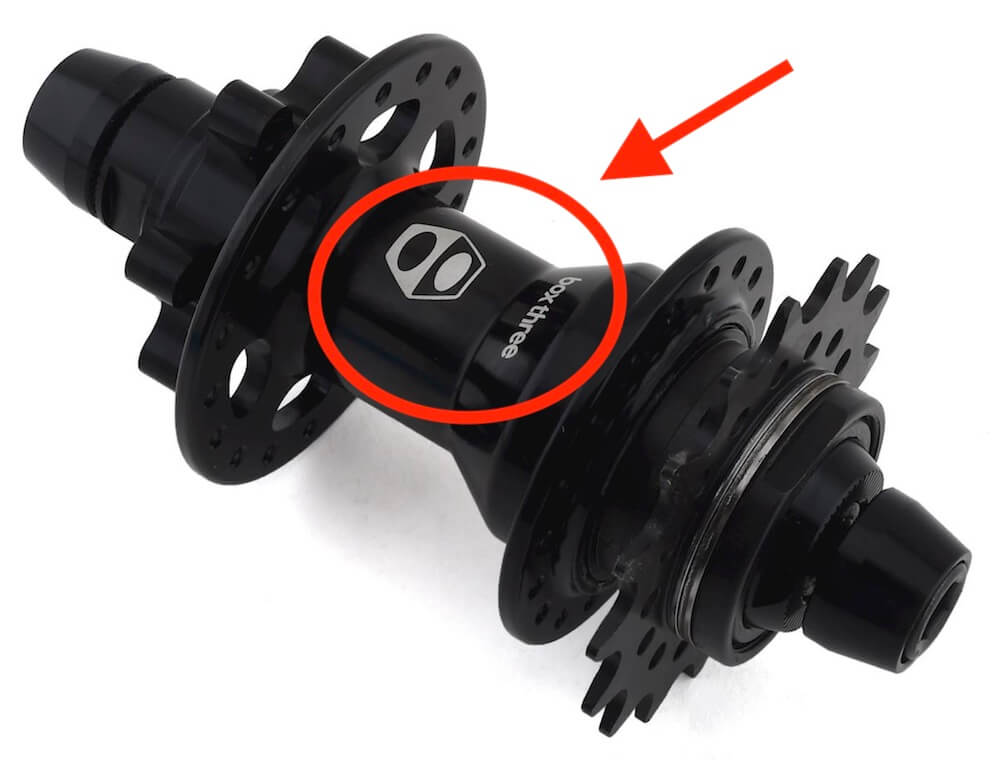
High-end engagement does not have to push the price beyond $300.
That’s where Box Three’s Pro Disc hub comes into play.
It uses a three-pawl system with 120 points of engagement, producing quick 3° pickup for gates, sprints, and sudden accelerations.
A cold-forged 6061-T6 aluminum shell, sealed cartridge bearings, and durable 10mm chromoly female axle provide a dependable foundation for your regular racing.
This 36H model also includes a Shimano HG freehub body, cassette spacer, lockring, and 16T steel cog, while the six-bolt mount supports disc brakes.
Keep in mind: Box also offers a no-disc version for rim-brake bikes, retaining the same fast engagement, axle setup, 36H drilling, and included drivetrain parts.
Are you searching for more info? Then check my Box Three Pro rear hub review.
Box Three Pro hub specs:
- Axle: 10mm
- Driver: 16T
- Weight: 15.7 oz (445.1 g)
- Price: $249.99
Or get the rim brake version HERE.
What Makes a Good BMX Race Rear Hub?
A good BMX race rear hub should engage quickly, transfer power efficiently, and stay reliable under hard gate starts and repeated sprints.
Fast engagement matters because it reduces the delay between pushing on the pedals and driving the rear wheel.
Still, the highest engagement number is not automatically the best choice.
The system should also run smoothly, resist wear, and remain easy to service.
Here are the main features to check:
- Quick, consistent engagement: More engagement points or a well-designed clutch system can reduce pedal delay during starts and short accelerations.
- Strong axle construction: A durable axle helps the hub handle hard landings, powerful riders, and repeated gate pressure.
- Smooth sealed bearings: Quality bearings reduce drag and help protect the internals from dirt, moisture, and track dust.
- Correct hub spacing: Most race rear hubs use 110mm spacing, but always confirm frame compatibility before ordering.
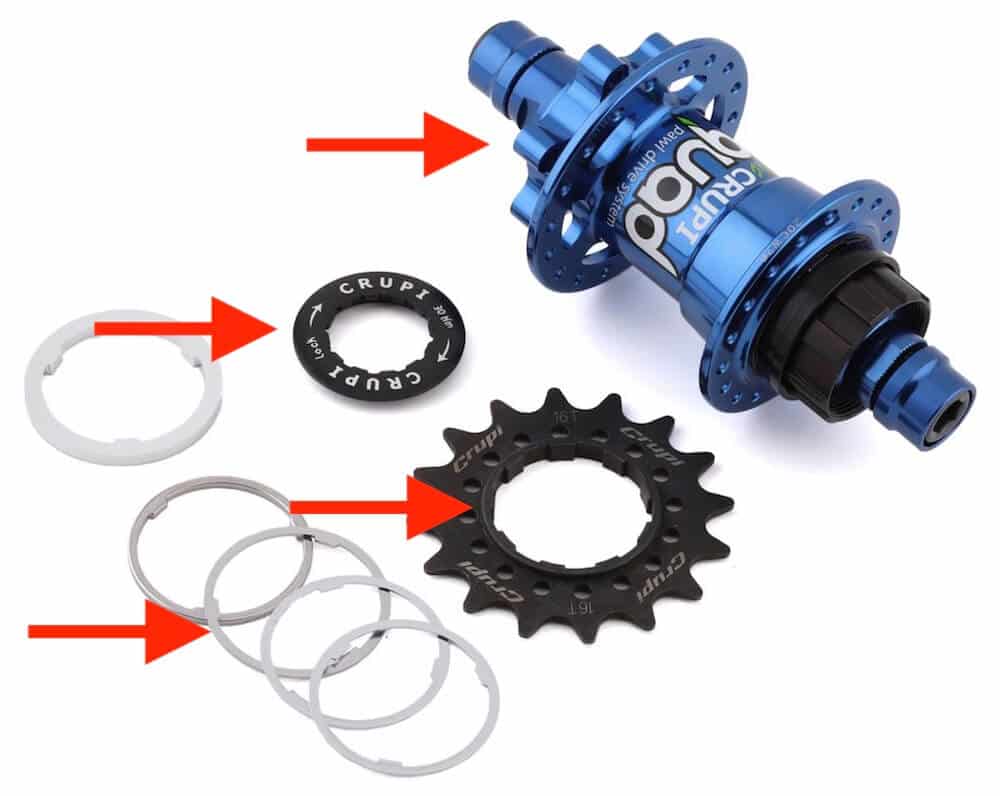
- Compatible cog system: Check whether the hub uses an HG driver, splined cog, cassette cog, or another proprietary setup.
- Reliable chainline adjustment: Spacers and different cog positions help align the rear cog with your race chainring.
- Brake compatibility: Disc-brake hubs need the correct rotor mount, while rim-brake bikes can use a cleaner no-disc shell.
- Reasonable weight: A lighter hub can reduce rotating weight, but strength and reliability should come first.
- Available service parts: Replacement bearings, drivers, axles, springs, pawls, and cogs can extend the hub’s working life.
How Much Rear-Hub Engagement Do BMX Racers Need?
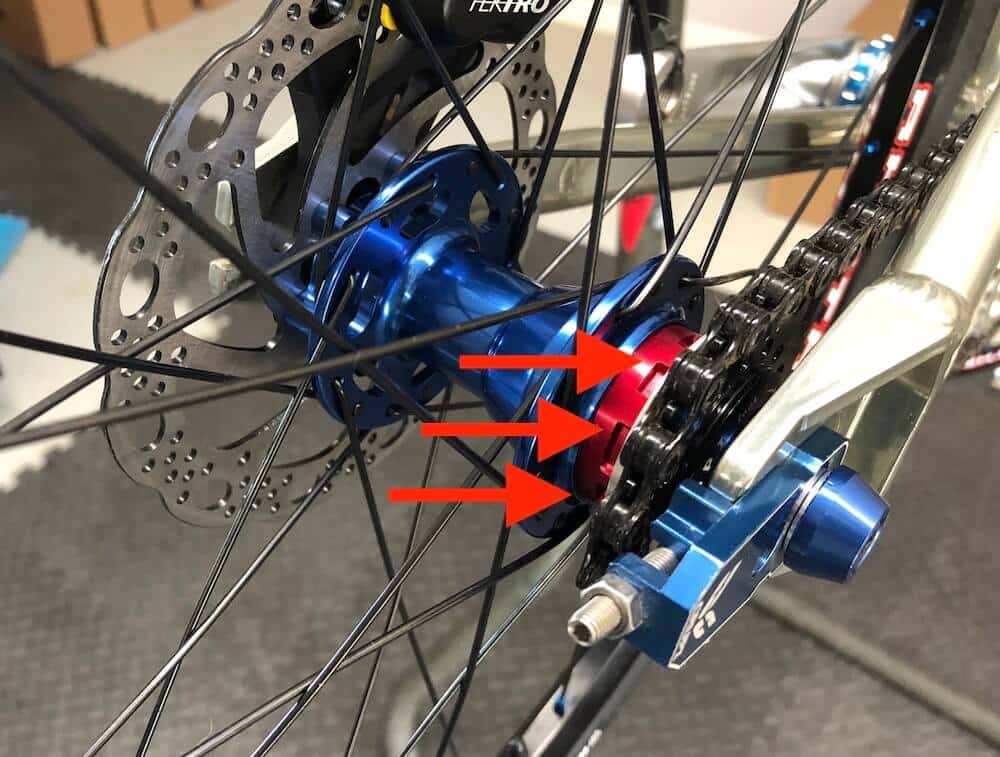
For most BMX racers, anything around 120 engagement points or more is already very quick.
A 120-point hub engages every 3°, while a 150-point system reduces that to 2.4°.
Higher-end options can go further, with 204 engagement points or even instant sprag-clutch engagement.
That sounds dramatic, but the real-world difference becomes smaller once you are already in the fast-engagement range.
Quick pickup is most noticeable during:
- Gate starts
- Short sprints
- Pedaling between jumps
- Recovering after a mistake
- Technical sections where you stop and reapply pressure quickly
Still, more engagement is not automatically better.
A higher-engagement hub may cost more, require more maintenance, produce extra noise, or use a more complex internal system.
Smooth operation, low drag, durability, and reliable parts support matter just as much.
For most riders, 120 to 150 points is more than enough for serious racing.
Racers who want the fastest possible response may prefer a 204-point hub or an instant-engagement Onyx system.
The key is balance.
Choose a hub that responds quickly, fits your setup, and remains reliable through regular training and race use.
How To Choose the Right BMX Race Rear Hub
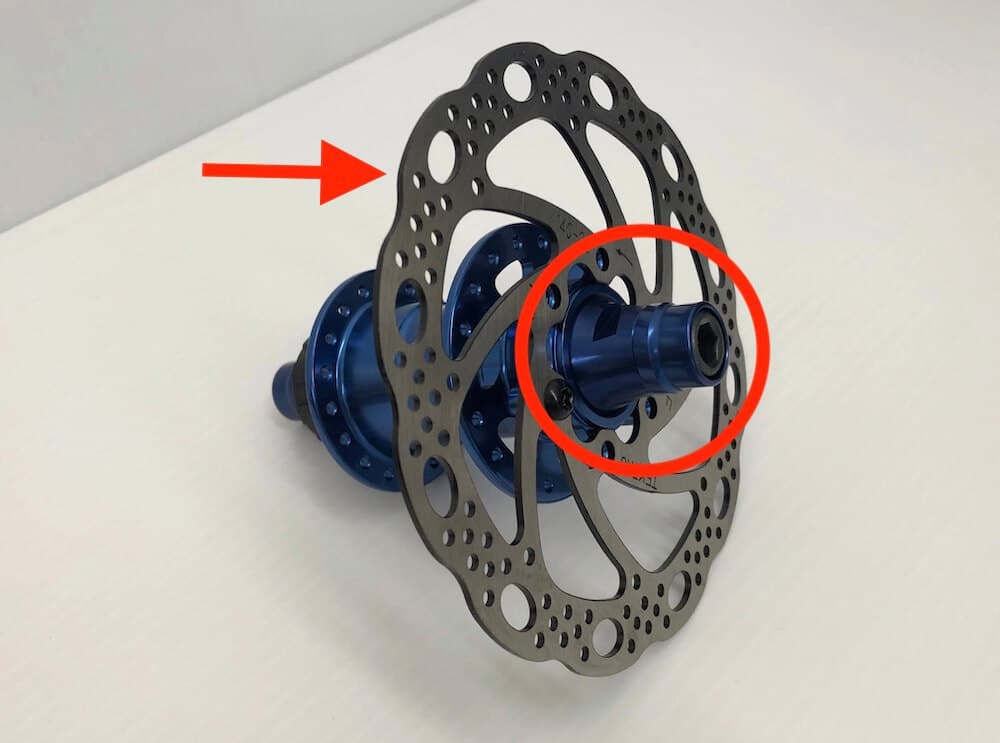
Check these details before ordering:
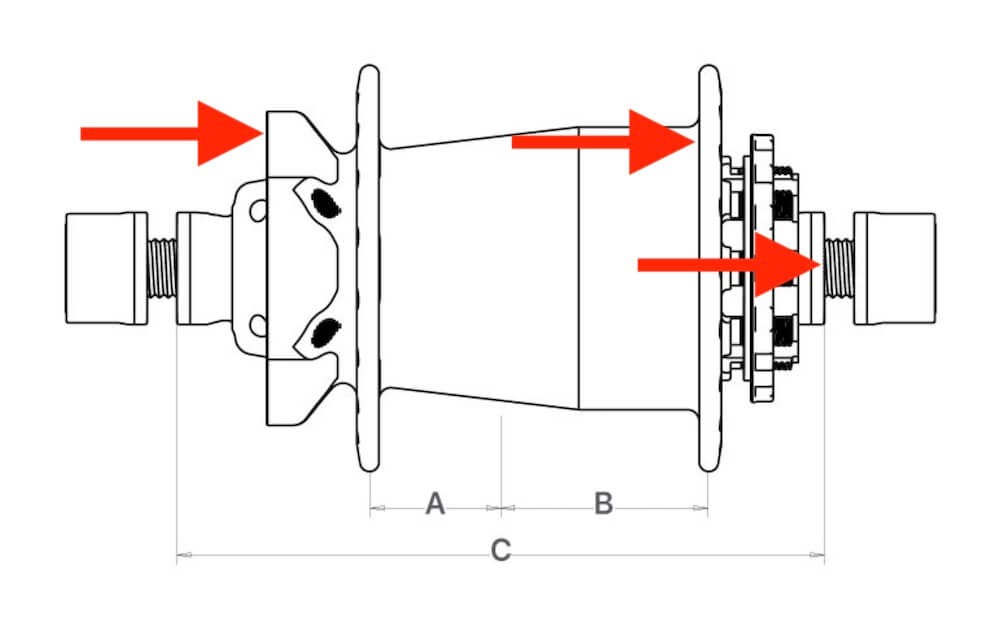
- Rear spacing: Most BMX race frames use 110mm rear spacing, but confirm your frame specification.
- Axle type: Match the hub axle to your dropouts. Common options include 3/8-inch female, 10mm female, and 15mm thru-bolt systems.
- Spoke-hole count: The hub and rim must use the same drilling. All five hubs in this guide are 36H.
- Brake setup: Choose a disc-compatible hub for rotor brakes. Rim-brake riders can usually save a little weight with a no-disc version.
- Cog compatibility: Check whether the hub uses an HG driver, splined cassette cog, included steel cog, or another system. (Once you confirm the driver type, compare my best BMX race cogs for compatible steel and aluminum gearing options.)
- Chainline adjustment: Spacers help align the rear cog with the front chainring and reduce drivetrain noise or wear.
- Engagement: Around 120 to 150 points is already fast for racing. Higher-end systems offer even quicker pickup, but they also cost more.
- Weight: A lighter hub can reduce rear-wheel weight, although axle strength, bearing quality, and reliability matter more.
- Bearing & internal design: Sealed bearings are standard on quality race hubs. Also consider whether you prefer pawls or silent sprag-clutch engagement.
- Replacement parts: Drivers, cogs, bearings, pawls, springs, axles, and bolts should be reasonably easy to source.
- Budget: Spend more when the improved engagement, lower drag, weight savings, or service support provides a real benefit for your build.
Note: Complete your drivetrain with one of these BMX race chains.
Conclusion: Which BMX Race Rear Hub Should You Pick?
Onyx Ultra ISO is my top overall pick for racers who want instant engagement, silent coasting, and a premium build.
It is expensive, I know, but the sprag-clutch system delivers a response that traditional pawl hubs cannot fully match.
Answer Holeshot Pro is a strong choice for quick engagement at a lower price, while Profile Racing Elite stands out with 204 engagement points and proven race performance.
Crupi Quad offers an excellent balance of fast pickup and low rolling resistance.
Finally, Box Three Pro is the best value option for riders who want dependable 3° engagement without moving into the highest price range.
Before ordering, confirm the axle type, 110mm spacing, spoke count, brake setup, and cog compatibility.
For most racers, the best hub is not simply the one with the largest engagement number.
It is the one that fits correctly, responds quickly, and stays reliable through gates, sprints, training sessions, and race weekends.
FAQs About BMX Race Rear Hubs
Does a high-engagement rear hub make BMX racing faster?
It can improve how quickly the bike responds when you begin pedaling.
The benefit is most noticeable during gate starts, short accelerations, and moments when you stop and reapply pressure. It will not replace strong technique, fitness, or correct gearing.
How many engagement points does a BMX race hub need?
Around 120 to 150 engagement points is already very fast for BMX racing.
Premium hubs may offer 204 points or instant clutch engagement, but the difference becomes smaller once you are already using a quick-engaging system.
What is the difference between engagement points and engagement angle?
Engagement points show how many pickup positions the hub has within one full rotation.
Engagement angle shows how far the cranks move before the hub engages. A smaller angle means a quicker response. For example, 120 engagement points equal a 3° engagement angle.
Are cassette hubs better than freewheel hubs for BMX racing?
Cassette hubs usually offer quicker engagement, more gearing options, stronger axle designs, and easier cog changes.
Freewheel hubs can be simpler and more affordable, but they generally provide fewer performance and setup options for serious racing.
Riders using a threaded rear hub should instead check my roundup of the best BMX race freewheels.
Can I replace a freewheel hub with a cassette hub?
Yes, but you will normally need a new rear wheel or a complete wheel rebuild.
You must also check frame spacing, axle fit, spoke count, cog size, chainline, and brake compatibility before making the switch.
What axle size do BMX race rear hubs use?
Common options include 3/8-inch female axles, 10mm female axles, and 15mm thru-bolt systems. You’ll also find 12mm and other sizes.
Your hub axle must match the dropout design and hardware supported by your race frame.
What is the standard rear-hub spacing for a BMX race bike?
Most modern BMX race bikes use 110mm rear-hub spacing.
Still, confirm the frame manufacturer’s specification before purchasing or building a new wheel.
Are BMX race rear hubs compatible with disc brakes?
Only hubs with a dedicated rotor mount support disc brakes.
How do I know which cog fits my rear hub?
Check the driver type and the manufacturer’s supported cog system.
Some hubs use Shimano HG-compatible cogs, while others use specific splined cogs, spacers, or lockrings. Do not assume all race cogs are interchangeable.
How often should I service a BMX race rear hub?
Service frequency depends on riding conditions, race volume, and the hub design.
Inspect it whenever you notice rough bearings, side-to-side play, inconsistent engagement, unusual noise, or increased drag. Riders training and racing regularly should check the hub throughout the season.