
A half-link chain can work perfectly well on a BMX race bike, but that does not automatically make it the best option for every racer.
Its biggest advantage is more precise chain-length adjustment.
That’s my biggest win for sure.
This can help you position the rear wheel exactly where you want it, dial in chain tension, or make certain gear combinations work better with short dropouts.

However, full half-link chains are often heavier than traditional full-link race chains.
So, should you use one for BMX racing?
In this guide, I’ll break down the pros and cons, compare 3/32″ and 1/8″ options, explain when a single half-link may be enough, and help you choose the right setup for your race bike.
This post covers:
- What Is a Half-Link BMX Race Chain?
- Benefits of a Half-Link Chain for BMX Racing (Pros)
- Downsides of Half-Link Chains for Racing (Cons)
- Are Half-Link Chains Stronger Than Full-Link Chains?
- 3/32″ vs 1/8″ Half-Link Chains for BMX Racing
- Full Half-Link Chain vs One Half-Link
- Who Should Use a Half-Link Chain for BMX Racing?
- Who Should Stick With a Full-Link Race Chain?
- Best Half-Link Chains for BMX Racing
- Conclusion: Is a Half-Link Chain Worth It for BMX Racing?
What Is a Half-Link BMX Race Chain?
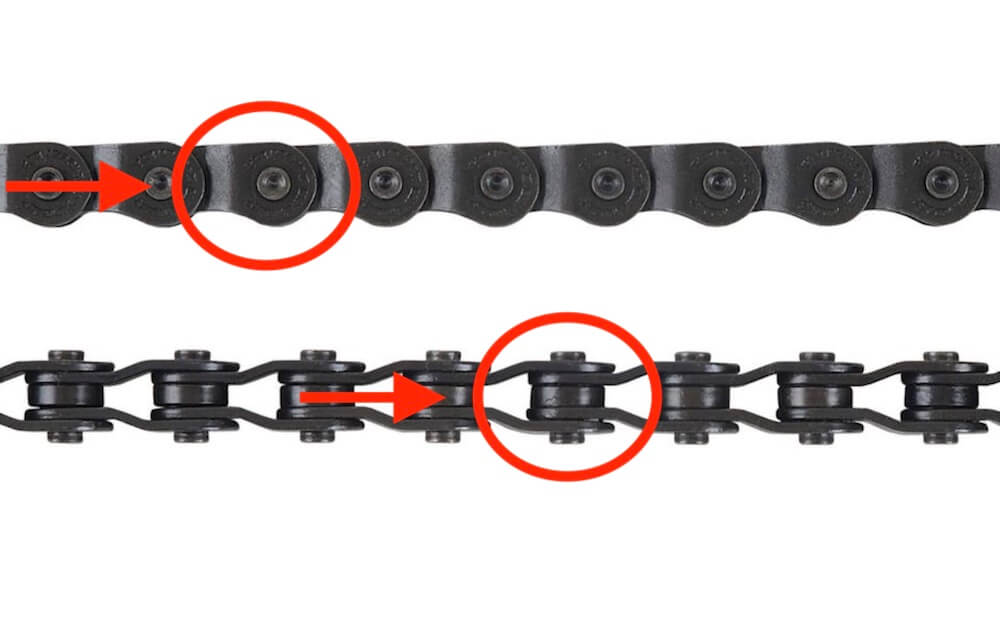
A half-link BMX chain is built differently from a traditional full-link chain.
On a regular chain, the inner and outer links alternate.
Because of that design, you normally remove two links at a time when shortening the chain.
A half-link chain uses identical, offset links.
Each link has a wide end and a narrow end, allowing each link to connect directly to the next.
This means you can shorten the chain one link at a time instead of two.
That smaller adjustment can make a noticeable difference when setting up a BMX race bike.
It gives you more control over chain tension and lets you fine-tune your rear wheel’s position within the dropouts.
For example, a standard chain may leave the wheel slightly too far back when one link is removed, but slightly too loose when that link stays in place.
A half-link chain can help fill that gap.

This is the main reason riders choose one. It is not simply because a half-link chain looks thicker or is automatically stronger.
You will usually see two different setups:
- A full half-link chain: Every link uses the half-link design.
- A single half-link: One half-link is added to a traditional chain to achieve a smaller adjustment.
Benefits of a Half-Link Chain for BMX Racing (Pros)
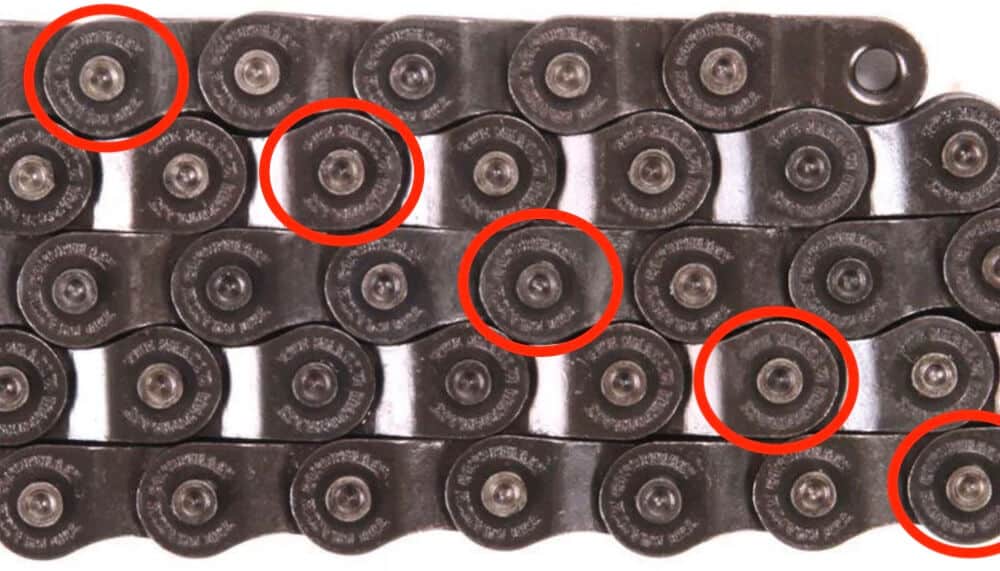
- More precise chain-length adjustment: You can remove one link at a time instead of two, which gives you finer control over the final chain length.
- Better rear-wheel positioning: A half-link chain can help you move the rear wheel slightly farther forward or backward inside the dropouts.
- Easier chain-tension tuning: It can help when a regular chain leaves the setup either slightly too tight or slightly too loose.
- Useful with short dropouts: Frames with limited adjustment space can benefit from the smaller chain-length increments.
- Helpful when changing gearing: Switching chainrings or rear cogs can alter the required chain length. A half-link chain gives you more flexibility when dialing in the new ratio. (You can also compare my recommended BMX race cogs if you are changing your current gearing.)
- Can help shorten the rear end: Some racers prefer the rear wheel pushed forward for a more responsive bike. A half-link chain may make that setup easier to achieve.
- Available in race-specific versions: Not every half-link chain is a heavy freestyle model. Lightweight 3/32″ options are made specifically for BMX racing.
Downsides of Half-Link Chains for Racing (Cons)
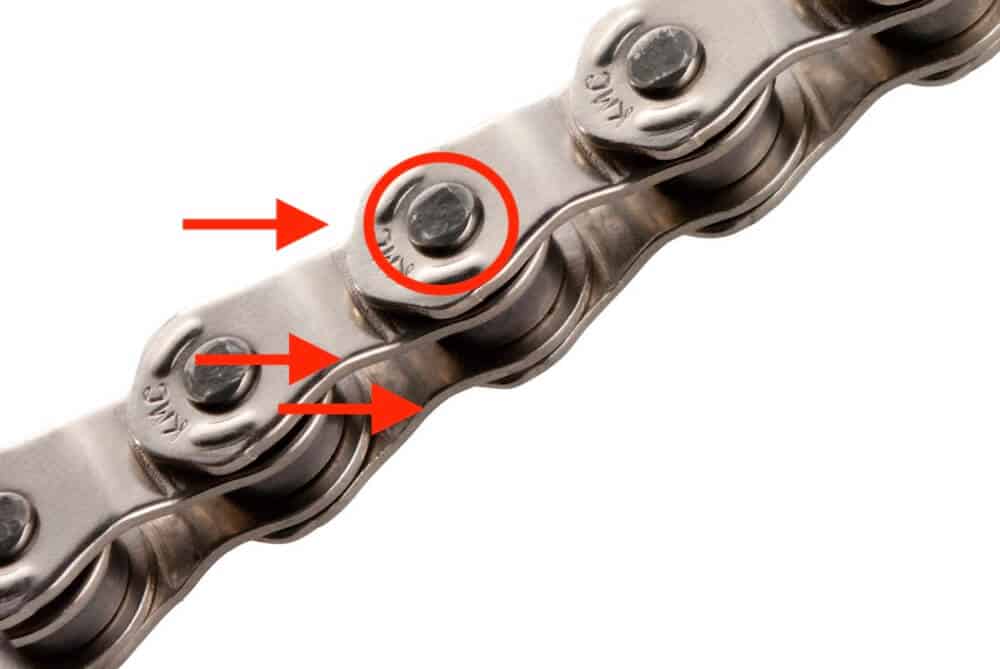
- Usually heavier: A full half-link chain often uses more material than a traditional race chain. That added weight may not appeal to racers trying to keep the bike as light as possible.
- Can be harder to install: Half-link chains are often more difficult to break and reconnect. A strong, compatible chain tool is important. (If you decide to use one, follow my guide on how to install a BMX half-link chain without damaging the connecting pin or leaving a stiff link.)
- Poor installation can cause problems: A damaged pin, stiff link, or incorrectly joined chain can affect drivetrain performance and reliability.
- More expensive: Quality half-link chains often cost more than standard race chains, especially lightweight or hollow-pin models.
- Not automatically stronger: A half-link design alone does not guarantee greater strength. Build quality, materials, pin design, chainline, and maintenance matter more.
- Compatibility needs closer attention: The chain width must match the chainring and rear cog. A 1/8″ chain may fit some race drivetrains, but a lighter 3/32″ setup is more appropriate.
- A full half-link chain may be unnecessary: Some racers only need one half-link to achieve the correct wheel position. Replacing the entire chain can add weight without providing much extra benefit.
Are Half-Link Chains Stronger Than Full-Link Chains?
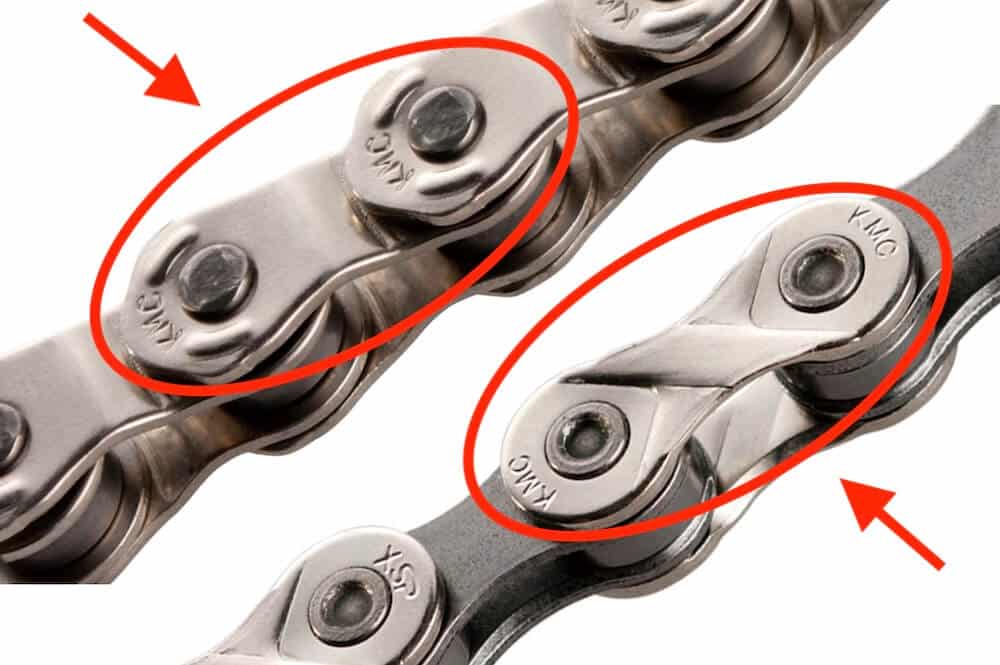
Not necessarily.
Half-link chains often look stronger because they use thicker, heavier plates.
Many are also designed for freestyle BMX, where chains take hard impacts from grinds, missed tricks, and rough landings.
Keep in mind, for racing, only look at 3/32″ half-link chains.
However, the half-link design alone does not make a chain stronger.
Actual chain strength depends on:
- Plate thickness and material quality
- Pin design and riveting
- Chain width
- Manufacturing quality
- Correct installation
- Chainline and drivetrain condition
- Regular cleaning and lubrication
A high-quality full-link race chain can be stronger and more reliable than a cheap half-link chain.
At the same time, a well-made half-link chain may handle more abuse than a lightweight chain built mainly to save weight.
There is also a trade-off between strength and weight.
- A thick 1/8″ half-link chain may offer excellent durability, but it won’t work well for BMX racing.
- A lighter 3/32″ race chain provides all the strength a racer needs while reducing rotating weight.
Installation matters, too.
Even a premium chain can fail if a pin is damaged, a link is left stiff, or the chainline is poor.
So, I would not choose a half-link chain simply because it appears stronger.
Choose it when you need finer chain-length adjustment, and compare its quality, weight, width, and intended use.
Scroll down for my recommended picks!
3/32″ vs 1/8″ Half-Link Chains for BMX Racing
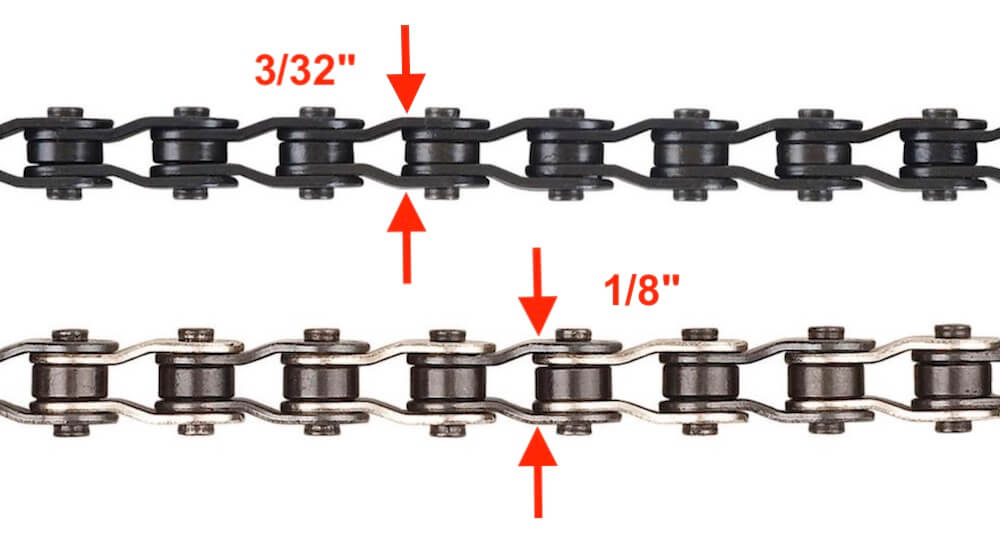
The main difference between 3/32″ and 1/8″ half-link chains is their internal width.
That width affects compatibility, weight, durability, and how well the chain matches the rest of the drivetrain.
3/32″ Half-Link Chains
A 3/32″ chain is narrower and ideal for a race-focused setup.
It is often the better choice because it can be:
- Lighter than a comparable 1/8″ chain.
- Better matched to narrow race chainrings and rear cogs.
- More suitable for racers trying to reduce unnecessary drivetrain weight.
- Smoother and less bulky than a heavy freestyle half-link chain.
However, a 3/32″ chain must be used with compatible drivetrain components.
1/8″ Half-Link Chains
A 1/8″ chain is wider and more common in freestyle BMX.
These chains are often built with thicker plates and a heavier-duty design, making them a solid choice for riders who prioritize durability.
Their main characteristics include:
- Wider internal spacing.
- More material and usually more weight.
- Strong compatibility with many traditional single-speed BMX drivetrains.
- A larger selection of freestyle-oriented models.
Skip the 1/8″ half link chain for BMX racing.
Sure, it might fit, but it’ll damage your drivetrain fast.
Remember, most BMX race chainrings are designed for 3/32″ chains, so always check the tooth width before choosing a half-link chain.
You can also explore my guide to the best BMX race chainrings for compatible 4-bolt and 5-bolt options.
Which Width Is Better for BMX Racing?
For most race builds, lean toward a lightweight 3/32″ half-link chain.
Compatibility should always come before weight or appearance.
Check the chainring, rear cog, manufacturer specifications, and existing chain width before ordering a new half-link chain.
Full Half-Link Chain vs One Half-Link
You do not always need a complete half-link chain to get more precise rear-wheel positioning.
In many cases, adding a single half-link to a traditional full-link chain gives you the extra adjustment you need without replacing the entire chain.
The biggest downside?
It’s hard to get just one half-link – but a good bike store should hook you up.
Full Half-Link Chain
A full half-link chain uses the half-link design from end to end.
Its main benefit is maximum adjustment flexibility.
You can shorten it one link at a time, which makes it easier to tweak chain tension and rear-wheel position.
One Half-Link in a Full-Link Chain
A single half-link can be added to some standard chains to bridge the gap between two full-link chain lengths.
This setup can be a smart option when:
- Your chain is slightly too loose with one length
- Removing another full link makes it too tight
- You want to pull the rear wheel farther forward
- You want to keep most of the lighter full-link chain
- You only need one precise adjustment
Note: Not every half-link works with every chain, so use one made for the correct chain width and, ideally, approved by the chain manufacturer.
Which Option Is Better for BMX Racing?
For many racers, a high-quality full-link race chain with one compatible half-link is the better compromise.
You get finer adjustment without carrying the extra weight of a full half-link chain.
A complete half-link chain is more useful when you regularly change gearing, have very limited dropout space, or want maximum freedom to adjust the rear-wheel position.
Who Should Use a Half-Link Chain for BMX Racing?
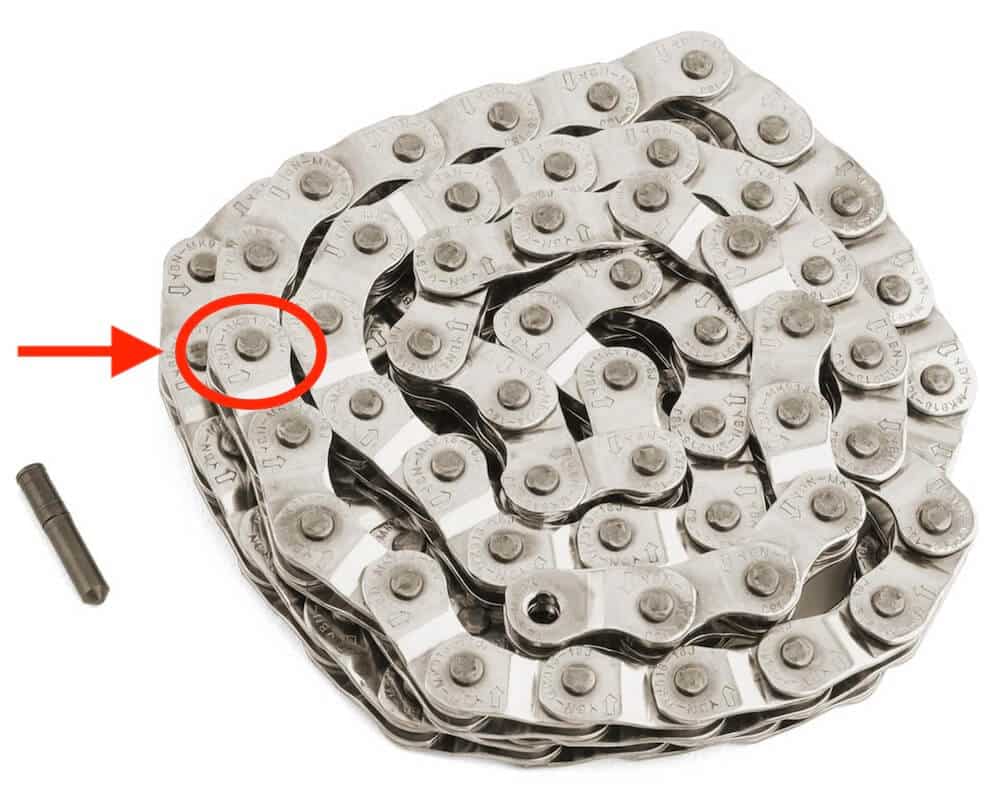
A half-link chain is worth considering when you need finer chain-length adjustment, more precise rear-wheel placement, or extra flexibility with short dropouts and different gear ratios.
However, if your current full-link chain already provides correct tension and lets you position the wheel where you want it, there is little reason to switch.
For many racers, a lightweight full-link race chain remains the simpler and lighter option.
Adding one compatible half-link can also provide the small adjustment you need without using a complete half-link chain.
Who Should Stick With a Full-Link Race Chain?
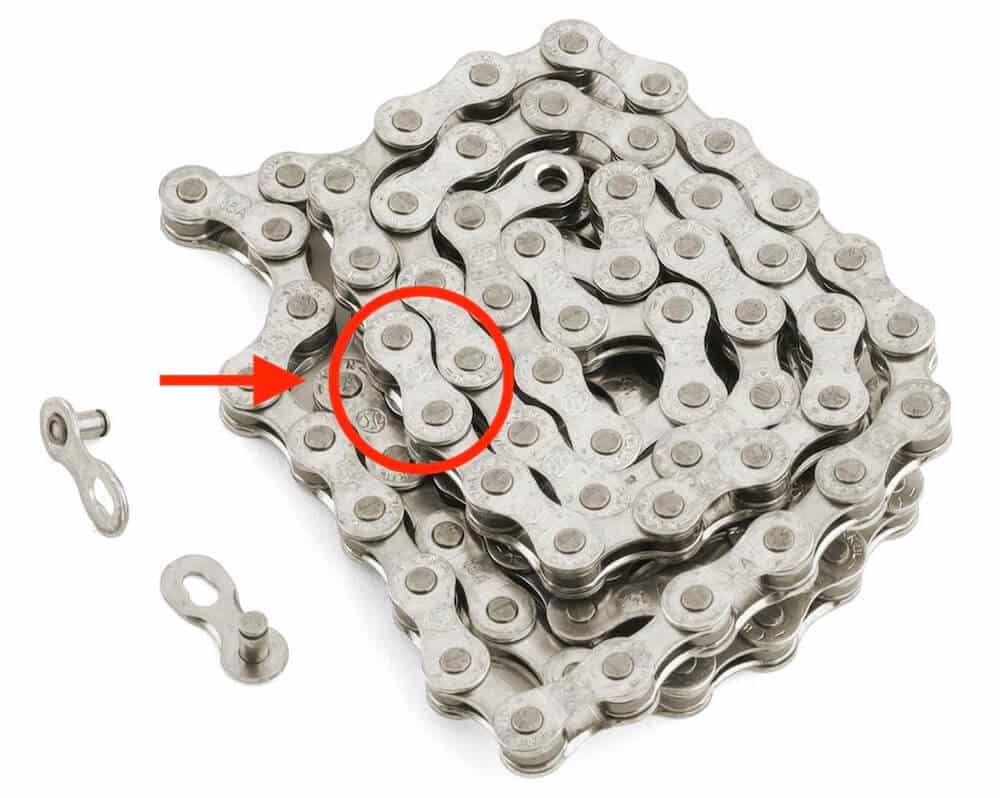
A full-link race chain is the better choice when your current setup already provides the correct chain tension and enough room to position the rear wheel properly.
It is also the smarter option if you want to keep the bike as light, simple, and efficient as possible.
Most racers using standard gearing and frames with enough dropout space will not gain much from switching to a complete half-link chain.
A full-link chain is generally easier to install, maintain, and replace.
And if you only need a slightly finer adjustment, adding one compatible half-link may solve the problem without replacing the entire chain.
But I mentioned that a few times already.
Best Half-Link Chains for BMX Racing
Here are three solid half-link chains worth considering for BMX racing.
1. Shadow Conspiracy Interlock Race Chain
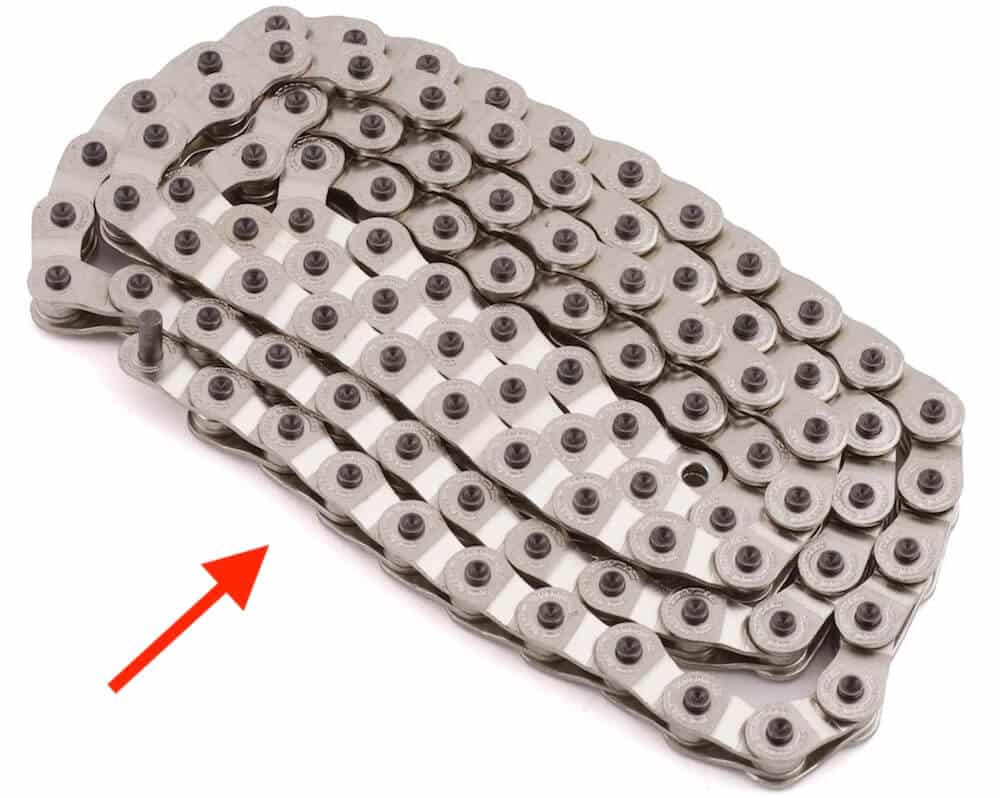
A strong race-focused option with a narrower design than the standard freestyle Interlock.
It is a good all-around pick if you want precise adjustment, proven durability, and do not mind a little extra weight.
GET YOUR SHADOW CONSPIRACY INTERLOCK RACE CHAIN NOW!2. MCS Half-Link BMX Racing Chain
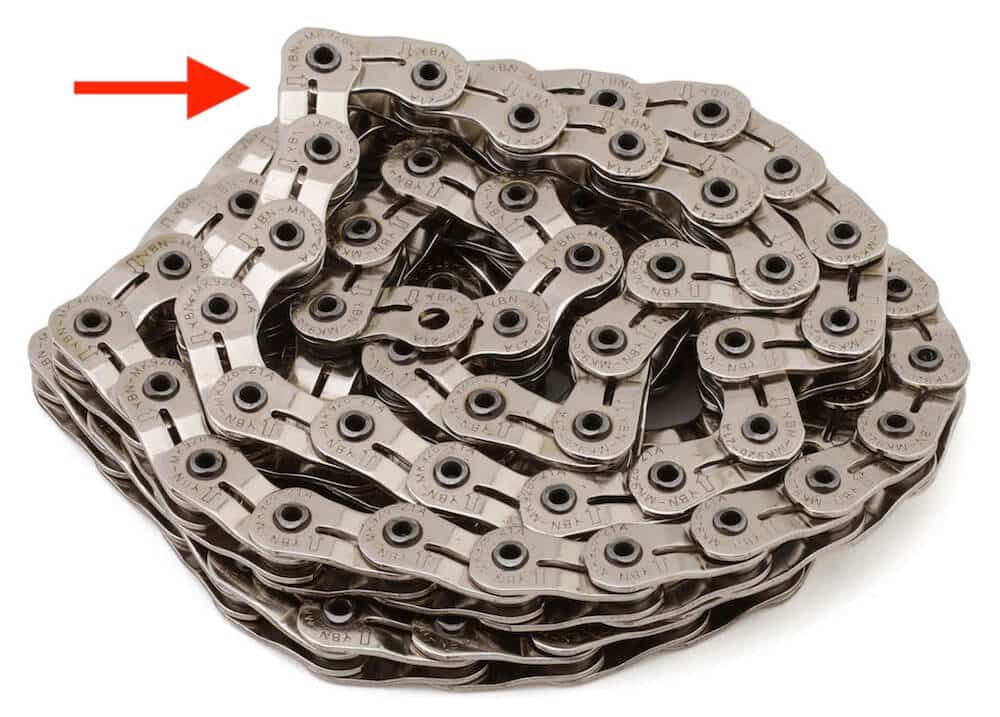
The MCS is the better pick for a lightweight race build.
Its hollow pins and plates help reduce weight while still giving you the fine adjustment of a complete half-link chain.
GET YOUR MCS BMX RACING CHAIN NOW!3. KMC HL1 Narrow Half-Link Chain
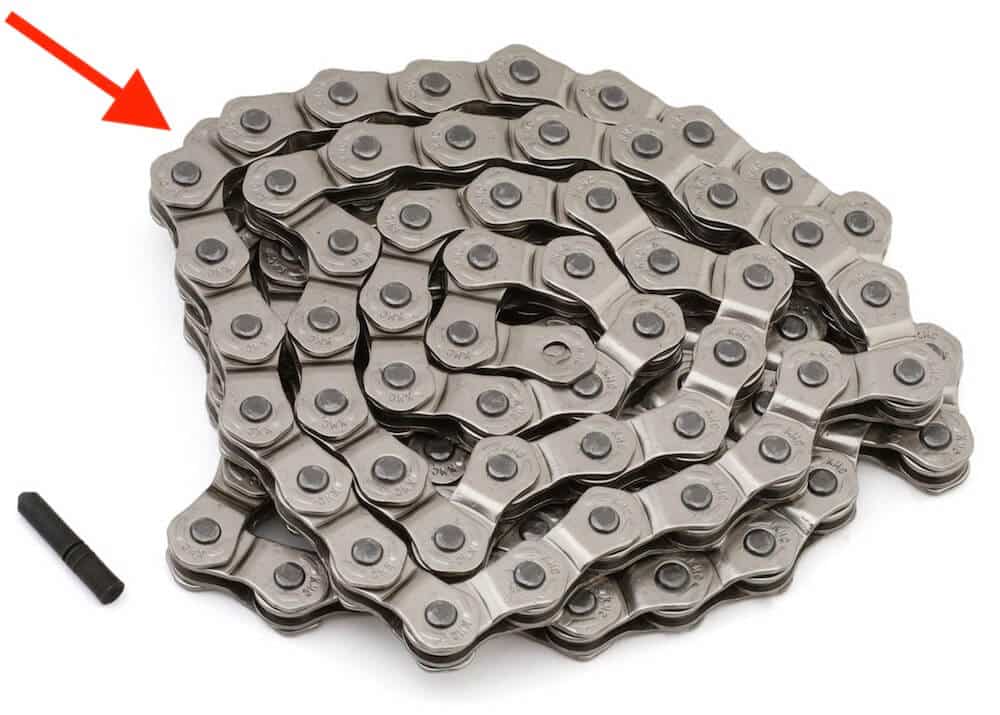
The KMC HL1 Narrow is a more affordable choice from a trusted chain brand.
It is heavier than the Shadow and MCS options, but it remains a practical pick if weight is not your top priority.
GET YOUR KMC HL1 NARROW CHAIN NOW!For more options, check out my complete guide to the best BMX race chains.
Conclusion: Is a Half-Link Chain Worth It for BMX Racing?
Yes, a half-link chain can be worth it for BMX racing, but mainly when it solves a specific setup problem.
Its biggest advantage is finer chain-length adjustment.
This can help you dial in chain tension, move the rear wheel exactly where you want it, or make certain gearing combinations work better with short dropouts.
However, a full half-link chain is not an automatic performance upgrade.
It is often heavier than a traditional race chain, and many models are built more for freestyle durability than lightweight racing.
For most racers, a quality full-link chain remains the simpler and lighter choice.
Adding one compatible half-link may also give you the extra adjustment you need without switching to a complete half-link chain.
So, choose a full half-link chain when you genuinely need the added flexibility.
Otherwise, stick with a good full-link race chain and keep the drivetrain as simple as possible.