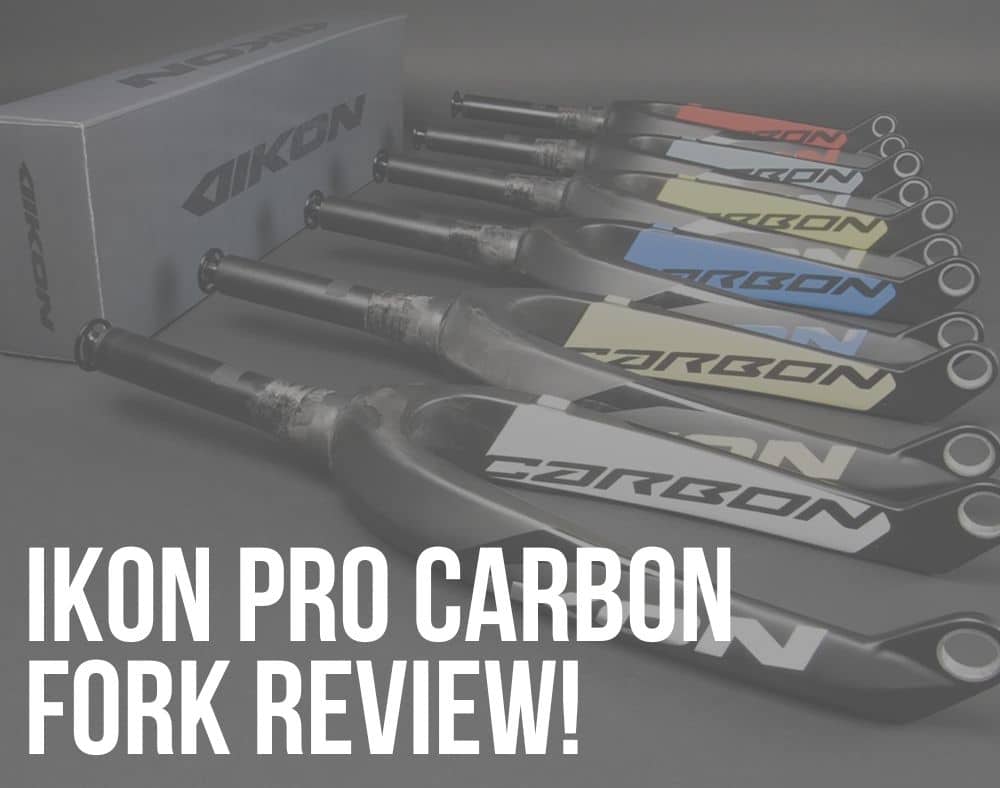

Looking for a premium carbon BMX race fork that is built for more than just shaving grams?
The Ikon Pro 20″ Carbon fork caught my attention for exactly that reason.
Yes, it is carbon.
But at 22 oz, it is not one of the lightest carbon race forks out there.

And I actually think that makes it more interesting.
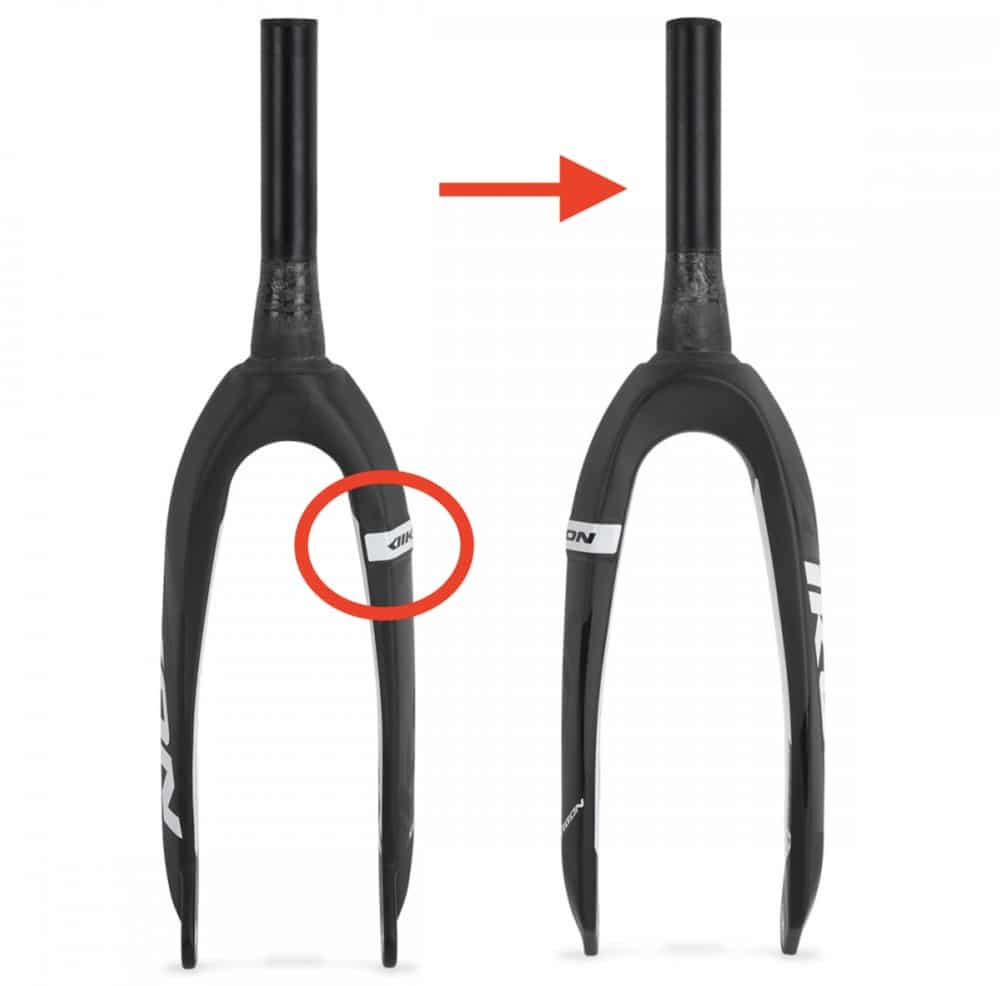
Ikon uses Toray T700 UD carbon legs, a thick 7075-T6 aluminum tapered steerer, reinforced alloy dropouts, a 20mm thru axle, and a bonded/keyed construction.
This gives the fork a much more substantial feel than some ultra-light options.
You also get a 31mm offset, integrated crown race, and threaded top-cap system, so the whole setup is very race-focused and clean. Or should I say, WIN-focused!
Of course, there is one big catch.
The price is $399.99.
That puts the Ikon firmly into premium territory, where it has to compete with serious options from Answer, Box, and Tangent.
So the real question is not whether this fork looks good or uses quality materials.
It does.
The real question is:
Does the stronger, beefier construction justify the extra weight and $400 price tag?
That is exactly what I am going to break down in this review.
This post covers:
- Ikon Pro 20″ Carbon Fork Review
- What Makes The Ikon Pro Carbon Fork Stand Out?
- Ikon Pro Carbon Fork Specs, Weight & Price
- Construction: Carbon Legs, Alloy Steerer & Reinforced Dropouts
- Is 22 Oz Heavy For A Carbon BMX Race Fork?
- How The 31mm Offset Affects Handling
- What Riders Are Saying
- Ikon Pro Carbon Fork Pros
- Ikon Pro Carbon Fork Cons
- Conclusion: Is The Ikon Pro Carbon Fork Worth $400?
- FAQs About The Ikon Pro Carbon Fork
Ikon Pro 20″ Carbon Fork Review
1. What Makes The Ikon Pro Carbon Fork Stand Out?
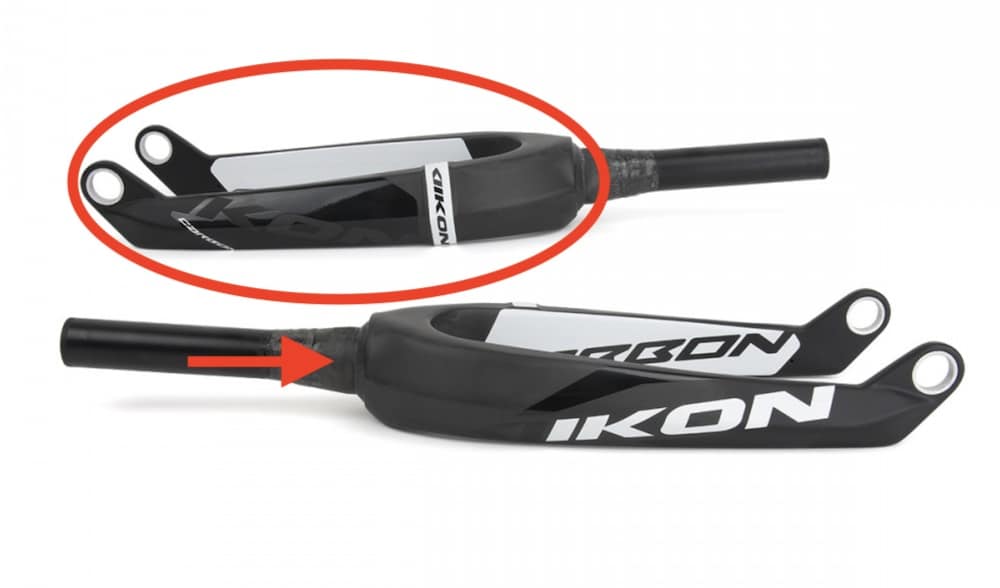
What makes Ikon Pro interesting is how seriously the whole fork is built.
For me, that is the main appeal of it:

- Toray T700 UD carbon legs: Lightweight carbon construction, but with a much more substantial overall setup than some ultra-light race forks.
- 7075-T6 aluminum tapered steerer: The fork uses a 1-1/8″ to 1.5″ tapered steerer with a beefy 6mm wall thickness.
- Bonded + keyed construction: The steerer/crown area and alloy dropouts are not just bonded into the carbon. Ikon uses a keyed design for extra mechanical security.
- 20mm thru axle: This gives the fork a very race-focused front-end setup and pairs well with modern Pro-level BMX race front hubs.
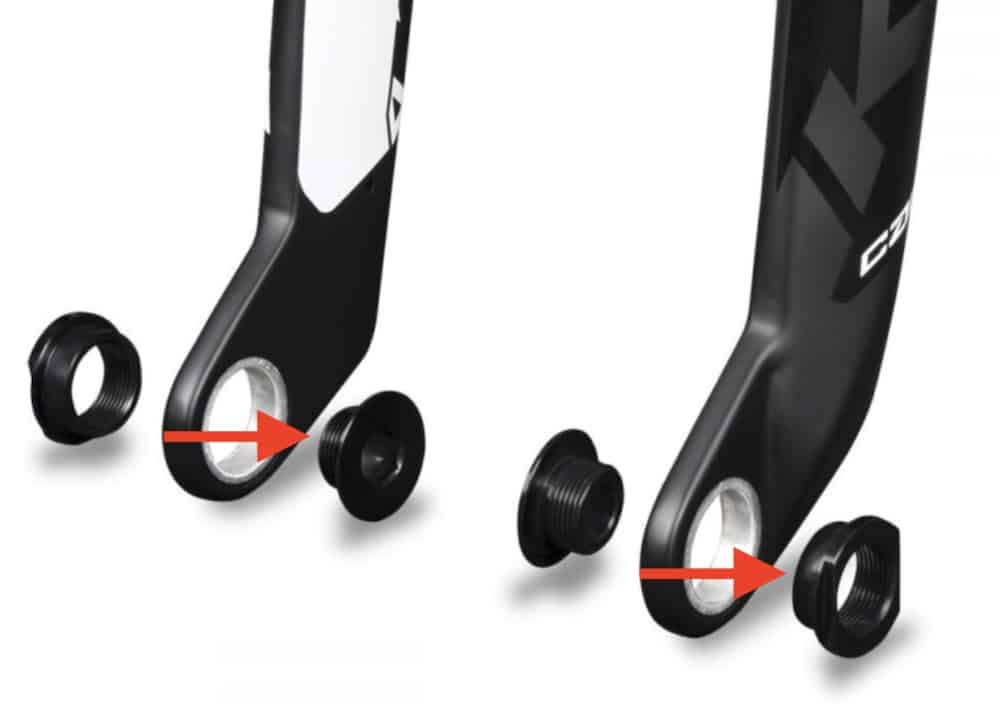
- Reinforced alloy dropouts: The CNC-machined aluminum dropouts add another solid-looking detail to the fork’s construction.
- 31mm offset: This keeps the handling firmly in modern BMX race territory without going overly aggressive.
- Integrated crown race: One less separate part to worry about, and it helps keep the setup clean.
- Threaded top-cap system: The internal steerer threading works with the included aluminum top cap, eliminating the need for a traditional star nut. (I don’t like the star nut.)
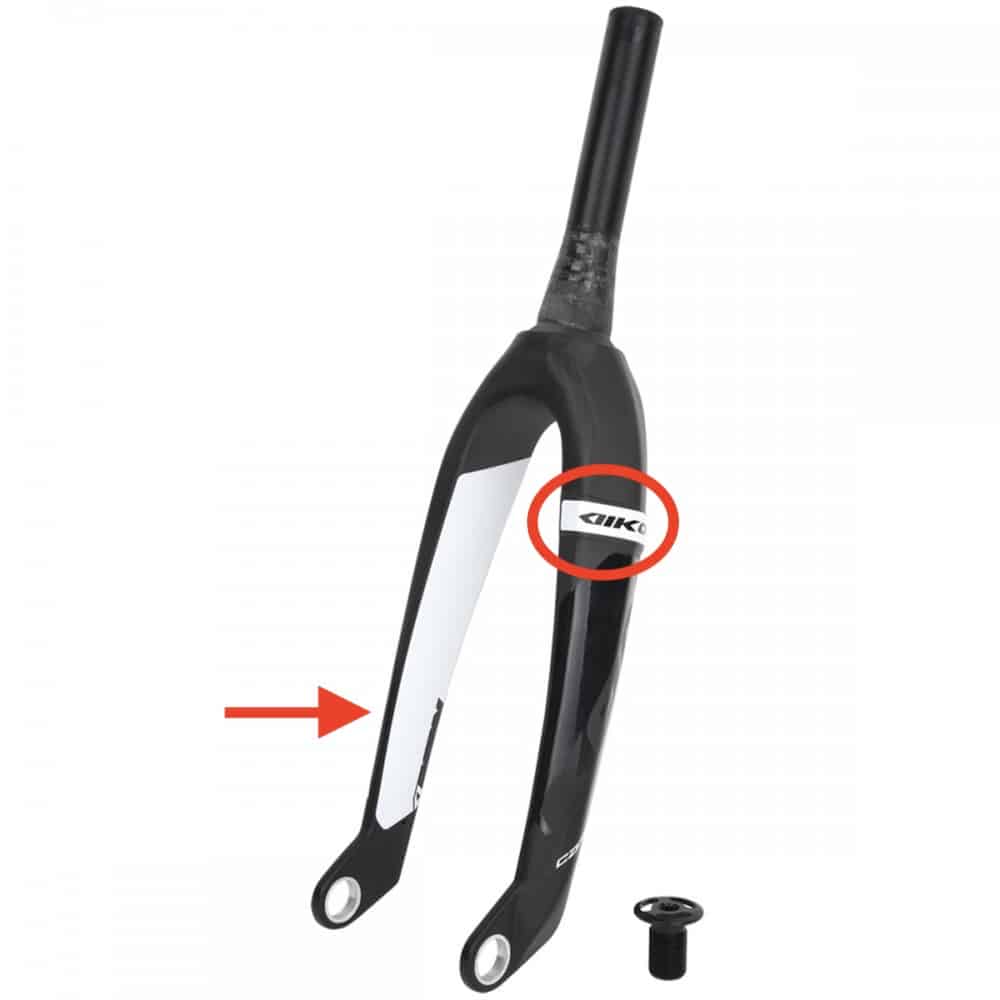
- Aero-shaped legs: The tapered fork legs and rear aero spoiler give the Ikon a distinctive race look.
- Unique UD carbon finish: Because the carbon is hand-laid, the surface pattern can vary slightly from fork to fork. And this is one of the coolest features in my opinion.
2. Ikon Pro Carbon Fork Specs, Weight & Price
- Wheel size: 20″
- Fork material: Toray T700 UD carbon fiber
- Steerer material: 7075-T6 aluminum
- Steerer: 1-1/8″ to 1.5″ tapered
- Steerer length: 173mm
- Steerer wall thickness: 6mm
- Crown race: Integrated 45°
- Dropouts: CNC-machined 6061-T6 aluminum
- Axle: 20mm thru axle
- Suggested axle length: 112mm
- 10mm compatibility: Yes, with separately available Ikon adapters
- Offset: 31mm
- Axle-to-crown: 305mm
- Top cap: 7075-T6 aluminum M18
- Fork weight: 22.0 oz (623.7 g) without the top cap
- Top cap weight: 0.52 oz (14.7 g)
- Weight with top cap: Around 22.52 oz (638.4 g)
- Color: Black/Grey, Black/White, Black/Red, Black/Blue, Black/Yellow, etc.
- Price: $399.99
3. Construction: Carbon Legs, Alloy Steerer & Reinforced Dropouts
This is where the Ikon Pro gets much more interesting than the weight number alone suggests.
3.1. Carbon Fork Legs
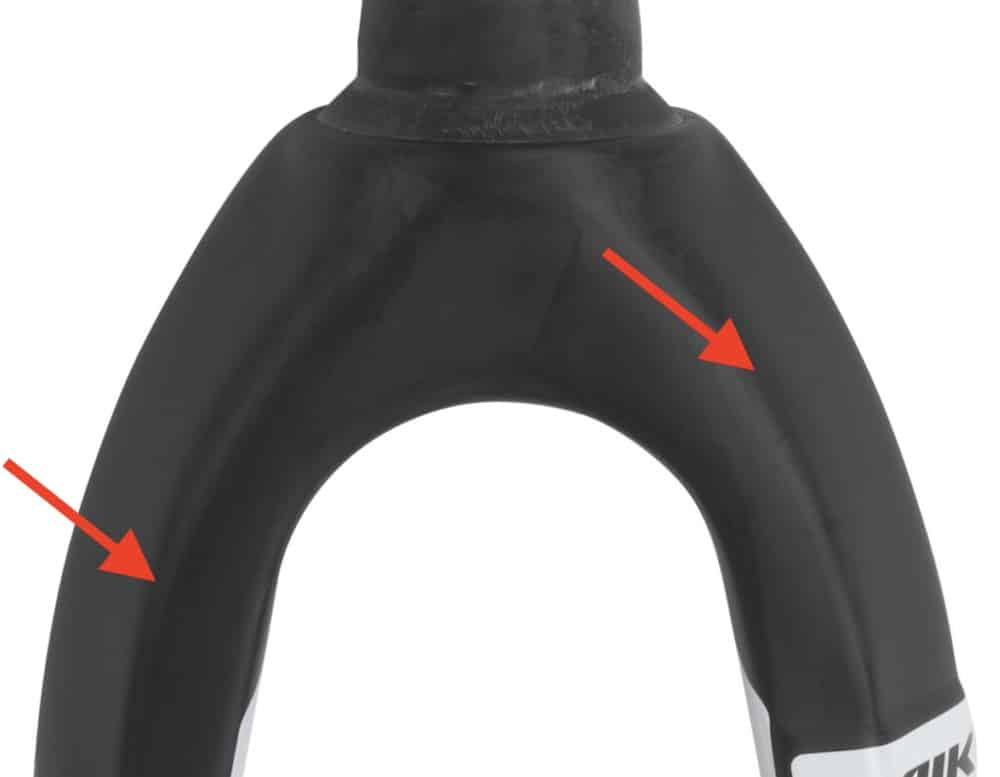
The main fork structure uses Toray T700 unidirectional carbon fiber.
That gives Ikon the stiffness-to-weight advantages riders expect from a carbon BMX race fork, while still allowing the legs to be shaped specifically for racing.
The legs are tapered and aero-profiled, with Ikon even adding a small rear aero spoiler.
But the carbon is only part of the story.
3.2. Beefy 7075-T6 Aluminum Steerer
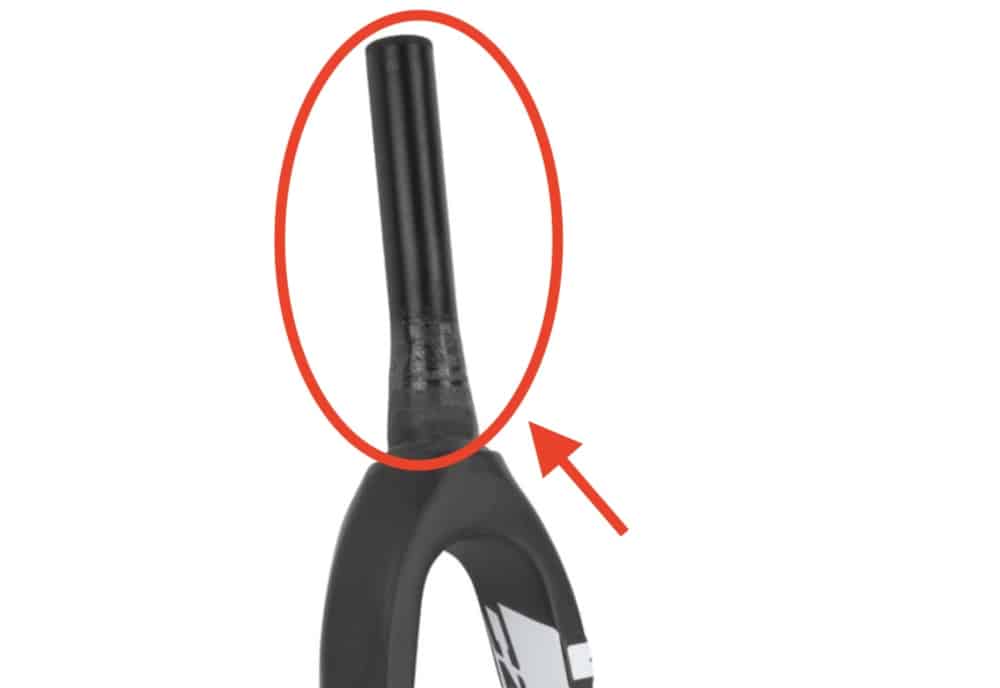
Instead of a carbon steerer, Ikon uses 7075-T6 aluminum.
And it is not exactly thin.
The tapered 1-1/8″ to 1.5″ steerer has a 6mm wall thickness, which helps explain why this fork is heavier than some competing carbon options.
For me, that is an important distinction.
Ikon seems much less interested in chasing the lowest possible weight and more interested in creating a substantial front-end structure.
3.3. Bonded + Keyed Crown Construction
Another detail I really like is that the steerer is not simply glued into the carbon crown area.
Ikon describes the connection as both bonded and keyed.
That means there is a mechanical interface that helps locate and secure the parts, in addition to the bonding process.
I would not automatically call that stronger than every other carbon fork design.
But it is definitely a reassuring construction detail on a fork designed for serious BMX racing.
3.4. Reinforced Aluminum Dropouts
The same idea continues at the bottom.
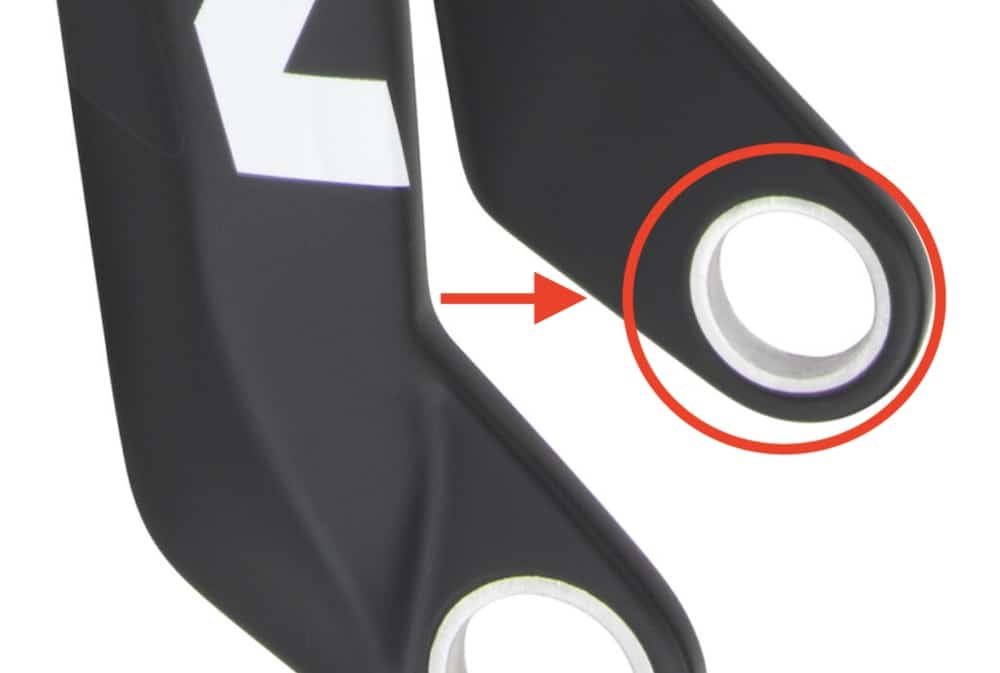
The Ikon Pro uses CNC-machined 6061-T6 aluminum dropouts, which are also bonded and keyed into the carbon legs.
These dropouts are built around a 20mm thru-axle, providing the fork with a substantial interface with the front hub.
Again, the theme is pretty obvious:
Carbon where it helps reduce weight and shape the fork, aluminum where Ikon wants a solid connection point.
GET YOUR IKON PRO 20″ BMX FORK NOW!4. Is 22 Oz Heavy For A Carbon BMX Race Fork?
Yes.
22 oz is on the heavier side for a premium carbon BMX race fork.
That does not automatically make the Ikon Pro a bad choice, though.
In fact, it can be an even better option than a lighter one.
This is where the construction really matters.
But for comparison, some of the lighter carbon race forks in this category come in well below that:
- Tangent Faction Pro: around 16 oz+
- SPP Supersized Pro: around 20 oz+
- Box One X5 Pro: around 20 oz+
- Ikon Pro: 22 oz
So if your main goal is to remove every possible gram from the front of your race bike, the Ikon is not your obvious winner.
And I would not try to pretend otherwise.
But there is a reason for the extra weight.
Ikon uses:
- a thick 7075-T6 aluminum steerer
- a tapered 1-1/8″ to 1.5″ design
- reinforced alloy dropouts
- bonded + keyed construction
- a 20mm thru-axle setup
I would look at the Ikon Pro as a stout carbon race fork, not a pure weight-saving fork.
There is also some rider chatter around this exact point.
In one BMX racing discussion comparing Ikon with Box, the Ikon was described as slightly heavier, with riders basically agreeing that the small difference in offset and weight was not going to radically change the bike.
That feels about right to me.
A few extra ounces matter in racing, but they are only one part of the full front-end setup.
GET YOUR IKON PRO 20″ BMX FORK NOW!5. How The 31mm Offset Affects Handling
This number matters because fork offset changes how quickly or calmly the front end reacts.
In simple terms:
- Less offset: quicker steering and a more responsive front end
- More offset: slightly calmer steering and more stability
At 31mm, the Ikon is already on the shorter, race-focused side.
That should help keep the front end feeling responsive when you are snapping out of the gate, changing lines, or making quick corrections on the track.
But I would not overthink the difference between 31mm and 32mm.
That 1mm gap is tiny.
Keep in mind, your frame geometry, bar position, stem length, wheelbase, and overall setup will matter much more than obsessing over a single millimeter of fork offset.
So if you are choosing between two premium race forks with 1-2mm offset difference, I would look at the complete package first.
GET YOUR IKON PRO 20″ BMX FORK NOW!6. What Riders Are Saying
- “I couldn’t really tell much of a difference between the Ikon and Answer.” One BMX racer who had used both an Ikon and an Answer Dagger carbon fork said both handled hard hits well and felt very similar in actual riding. He basically recommended choosing based on price, availability, or which one you prefer visually.
- “The Ikon held up well for me.” In that same discussion, the rider said he had put both the Answer and Ikon through some nasty impacts without issues. That is encouraging, especially for riders who care more about durability than saving every last gram.
- “Ikon and Box are very similar.” Another rider comparing Ikon and Box pointed out that the Ikon is slightly heavier and uses 1mm less offset, but felt those differences would not make a huge impact in the real world.
- “Pay attention to stem-bolt torque.” One Ikon owner had an issue with the bars turning after harder landings while staying within Ikon’s recommended stem torque. After changing the bolt setup and properly lubricating the stem bolts, he later reported that the issue disappeared.
7. Ikon Pro Carbon Fork Pros
- T700 carbon legs: Lightweight, race-focused carbon construction.
- Strong tapered steerer: The 7075-T6 aluminum steerer uses a 1-1/8″ to 1.5″ taper and a thick 6mm wall.
- Bonded + keyed design: Ikon adds a mechanical key to the bonded crown and dropout connections for extra security.
- 20mm thru axle: A solid match for modern Pro-level BMX race setups.
- Reinforced aluminum dropouts: CNC-machined 6061-T6 dropouts add strength where the front wheel mounts.
- 31mm offset: A modern race-friendly number that should keep steering responsive.
- Integrated crown race: Cleaner setup with one less separate part.
- Threaded top-cap system: No traditional star nut is needed.
- 10mm compatibility available: Ikon sells separate adapters if you are not running a 20mm front hub.
8. Ikon Pro Carbon Fork Cons
- Not the lightest carbon fork: At 22 oz without the top cap, the Ikon is heavier than several premium carbon race forks.
- Expensive: At $399.99, this is firmly a high-end BMX race fork.
- 10mm adapters cost extra: If you are not running a 20mm front hub, you will need the separate adapters.
- Compatibility is more specific: The tapered steerer and 20mm setup mean you need to check your frame, headset, and front hub before buying.
- Carbon steerer setup needs care: Use a torque wrench and follow Ikon’s stem-bolt limits. This is not something I would install by feel.
Conclusion: Is The Ikon Pro Carbon Fork Worth $400?
Yes.
For me, the Ikon Pro is worth $400 for the right BMX racer.
But I would not buy it just because it is carbon.
At 22 oz, it is not the lightest carbon race fork on the market.
That is important.
What you are paying for is the full package:
- Toray T700 UD carbon legs
- 7075-T6 tapered aluminum steerer
- Bonded + keyed construction
- Reinforced aluminum dropouts
- 20mm thru axle
- 31mm offset
- Integrated crown race
- Threaded top-cap system
The Ikon Pro feels much more like a tank, serious BMX race fork than a pure gram-saving option.
And that is exactly where it earns its place.
If your number one goal is to build the lightest BMX race bike possible, there are better options.
But if you want a premium tapered carbon fork with for a beefier front-end setup and you are already running a compatible 20mm race hub, the Ikon becomes much easier to recommend.
The $399.99 price is still high.
But for the rider who values construction, stiffness, and a solid, race-focused setup over chasing the lowest possible weight, I think the Ikon Pro is absolutely worth a serious look.
GET YOUR IKON PRO 20″ BMX FORK NOW!FAQs About The Ikon Pro Carbon Fork
Is the Ikon Pro fork made from carbon?
Yes. The fork uses Toray T700 UD carbon legs combined with an aluminum steerer and aluminum dropouts.
How much does the Ikon Pro carbon fork weigh?
The fork weighs 22.0 oz (623.7 g) without the top cap. The included top cap adds about 0.52 oz (14.7 g).
What size wheels does the Ikon Pro fork fit?
This version is made for 20″ BMX race bikes.
What is the Ikon Pro fork offset?
The Ikon Pro uses a 31mm offset.
Does the Ikon Pro have a tapered steerer?
Yes. It uses a 1-1/8″ to 1.5″ tapered 7075-T6 aluminum steerer.
How long is the Ikon Pro steerer?
The steerer is 173mm long.
What axle size does the Ikon Pro use?
The fork is designed around a 20mm thru axle.
Can you use a 10mm hub with the Ikon Pro fork?
Yes, but you will need the correct Ikon 10mm / 3/8″ adapters, which are sold separately.
Does the Ikon Pro come with a top cap?
Yes. It includes a 7075-T6 aluminum threaded top cap.
Does the Ikon Pro need a separate crown race?
No. The fork has an integrated 45° crown race.
Is the Ikon Pro carbon fork light?
It is lighter than many traditional BMX forks, but at 22 oz, it is not among the lightest premium carbon race forks.
GET YOUR IKON PRO 20″ BMX FORK NOW!