
Finding the right full face BMX helmet for a kid can get confusing FAST.
Many helmets look similar, but they are not always designed for the same type of riding.
Some are lighter and more bicycle-focused.
Others come from the motocross side, which usually means more weight and a very different feel on the head.
For kids, that matters even more.
A helmet can have great protection, but if it feels too heavy, too hot, or just plain uncomfortable, they probably will not enjoy wearing it for long.
And you don’t want that for your kid.
That is why I focused this roundup on youth full-face helmets that stand out for different reasons.
The Fly Racing Youth Rayce Repeat is my best overall pick, while the Rayce Sonar Youth is another lightweight BMX-friendly option.
Then there are the heavier Kinetic Scrap, Surge, and Solid helmets for riders who want a more substantial motocross-style setup.
In this guide, I will compare fit, weight, comfort, certifications, price, and overall BMX suitability.
This will help you quickly figure out which one is the best match for your kid.
This post covers:
- Best Full Face BMX Helmets For Kids
- What Makes A Good Full Face BMX Helmet For Kids?
- BMX Helmet Vs Motocross Helmet For Kids
- How Heavy Should A Kids’ Full Face BMX Helmet Be?
- How To Choose The Right Helmet Size
- Full Face BMX Helmet For Kids Pros & Cons
- Conclusion: Which Full Face BMX Helmet Should You Get For Your Kid?
- FAQs About Full Face BMX Helmets For Kids
Best Full Face BMX Helmets For Kids
1. Fly Racing Youth Rayce Repeat Full Face Helmet (Best Overall)
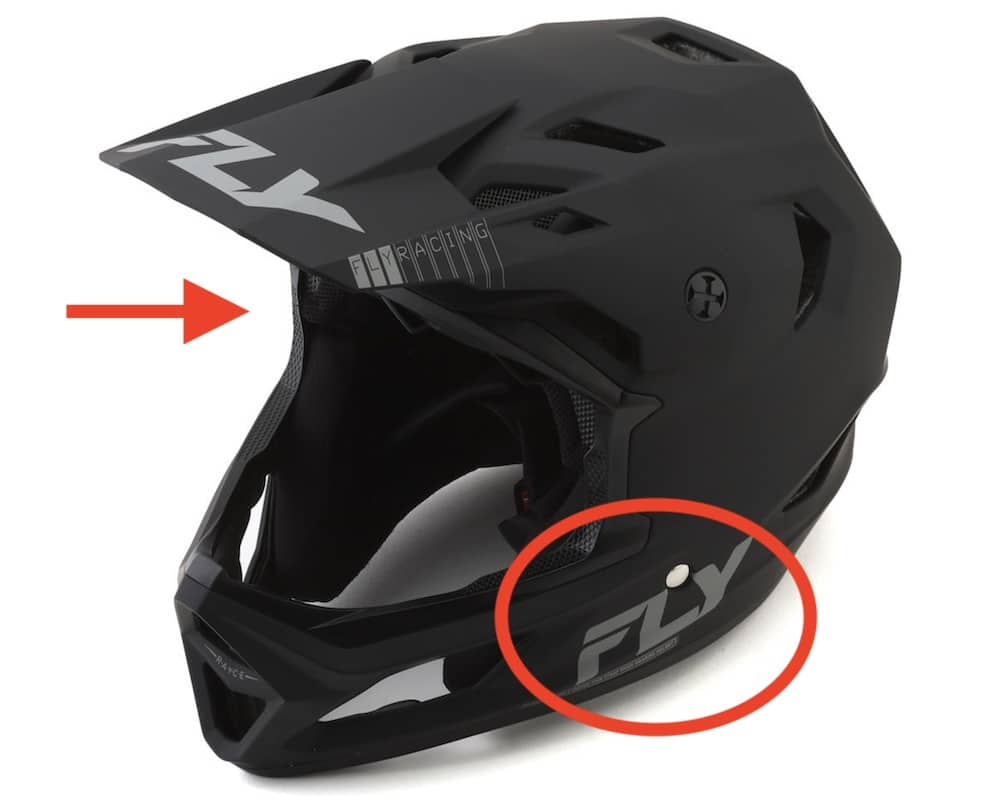
For most kids riding BMX, this is the helmet I would start with.
The Rayce helmet is built specifically for young bicycle riders, which already gives it an advantage over the heavier motocross-style options later in this list.
Fly backs that up with CPSC 1203, ASTM F1952-15, and CE EN 1078 certifications.
The biggest win for me is the weight.
At 32.8 oz, it is noticeably lighter than the Kinetic helmets, which is a big deal for a smaller rider wearing a full-face helmet through multiple laps or longer sessions.
Fly also uses its True Functional Ventilation (TFV) system, which moves air through intake vents, channels inside the EPS liner, and rear exhaust ports.
That helps keep things much cooler when riding hard.
Comfort and maintenance are handled well too.
You get:
- lightweight poly-alloy shell
- removable and washable liner
- removable cheek pads
- padded D-ring chin strap
- aluminum visor screws
- replacement parts available
I especially like that replacement liners, cheek pads, and visors are available separately.
Kids grow, sweat, crash, and wear gear out, so being able to refresh parts rather than replace the whole helmet is a nice bonus.
If I were choosing just one helmet from this list for a young BMX rider, this would be it.
Note: If you want a closer look at the Rayce platform, check out my Fly Racing Rayce Solid helmet review for more on fit, ventilation, certifications, and BMX use.
Fly Racing Youth Rayce Repeat helmet specs
- Size: Youth S, Youth M, Youth L
- Weight: 32.8 oz / 930 g (Youth M)
- Fit & wear: 4.9/5
- Price: $139.95
2. Fly Racing Rayce Sonar Youth Full Face Helmet (Best Lightweight Alternative)
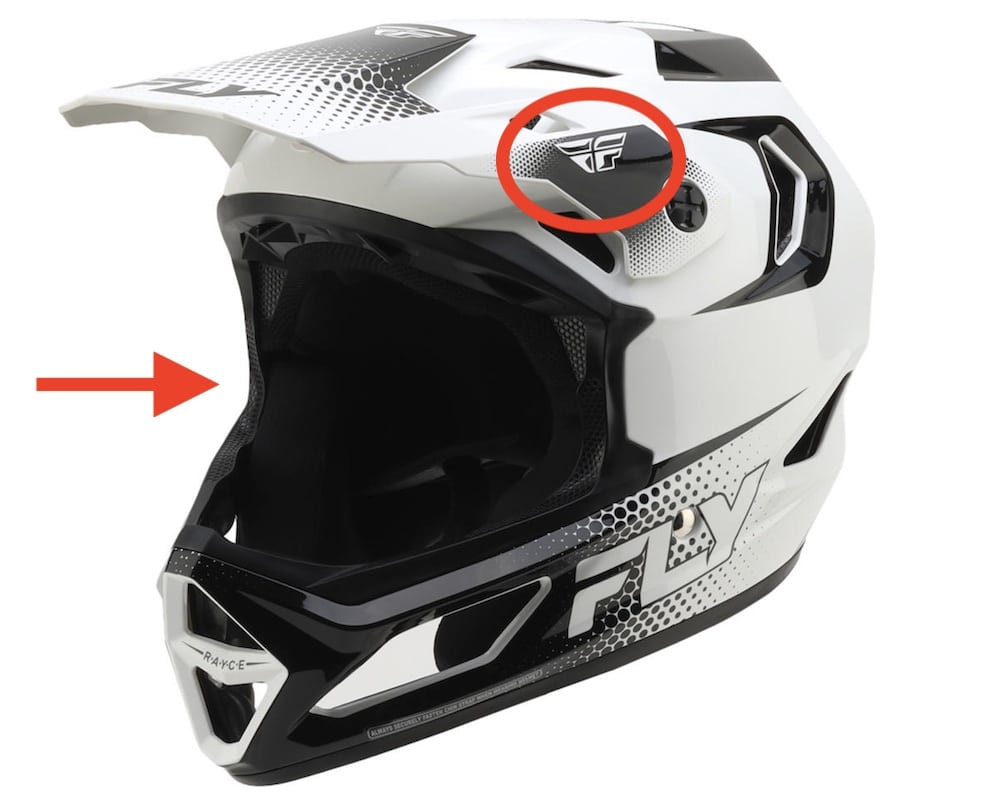
If you like what the Rayce Repeat offers but want a different look, the Fly Racing Rayce Sonar helmet is the easiest alternative.
It uses the same bicycle-focused approach, and Fly specifically designs it for BMX, MTB, downhill, dirt jumps, and recreational riding.
What stands out most is how balanced the whole package is.
You get:
- CPSC 1203 certification
- ASTM F1952-15 downhill certification
- CE EN 1078 certification
- lightweight poly-alloy shell
- TFV ventilation
- removable and washable liner
- removable cheek pads
- padded chin strap
- D-ring closure
The weight is another big reason I like it for younger BMX riders.
At 32.8 oz, it stays in the same lightweight territory as the Rayce Repeat.
Fly also uses front intake vents, internal airflow channels, and rear exhaust vents to help move heat out while riding.
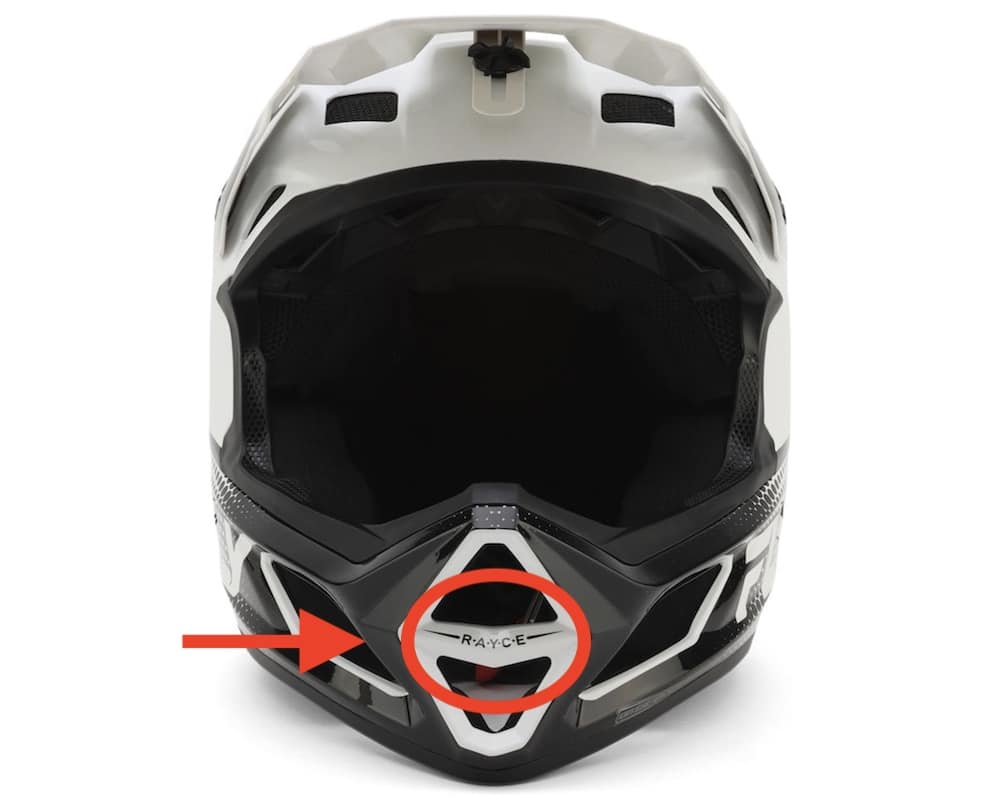
That is especially useful for kids doing repeated BMX laps, where a heavy and poorly ventilated helmet can get SUPER annoying.
The Sonar also comes in several brighter graphic options, giving it more personality than a basic solid-color helmet.
If your kid wants a lightweight, BMX-specific full-face helmet but prefers the Sonar graphics, I would have no problem choosing this one over the Rayce Repeat.
Fly Racing Rayce Sonar Youth helmet specs
- Size: Youth S, Youth M, Youth L
- Weight: 32.8 oz / 930 g (Youth M)
- Fit & wear: 4.8/5
- Price: $139.95
3. Fly Racing Youth Kinetic Scrap Full Face Helmet (Best Heavy-Duty Option)
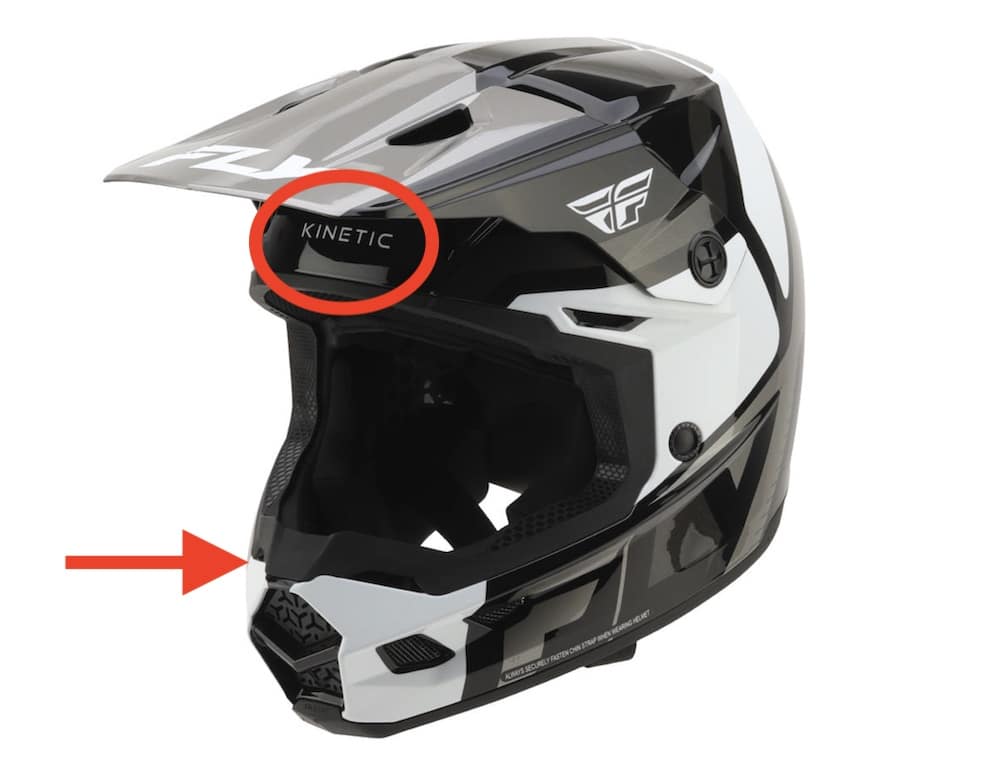
The Fly Racing Youth Kinetic Scrap is where this roundup shifts into a more motocross-style helmet.
And that is not necessarily a bad thing.
It just means you should know what you are getting.
Unlike the Rayce helmets, the Kinetic Scrap is designed for motocross and off-road riding and is DOT- and ECE 22.06-certified.
Fly also uses multiple shell and EPS sizes to improve the fit across the youth range.
What I like most here is the more substantial overall design.
You get:
- DOT + ECE 22.06 certification
- multiple shell and EPS sizes
- Fly’s TFV ventilation system
- strategically placed intake and exhaust vents
- removable and washable liner
- removable cheek pads
- soft fleece helmet bag included
The Kinetic Scrap weighs 43.0 oz, so it is noticeably heavier than the Rayce models.
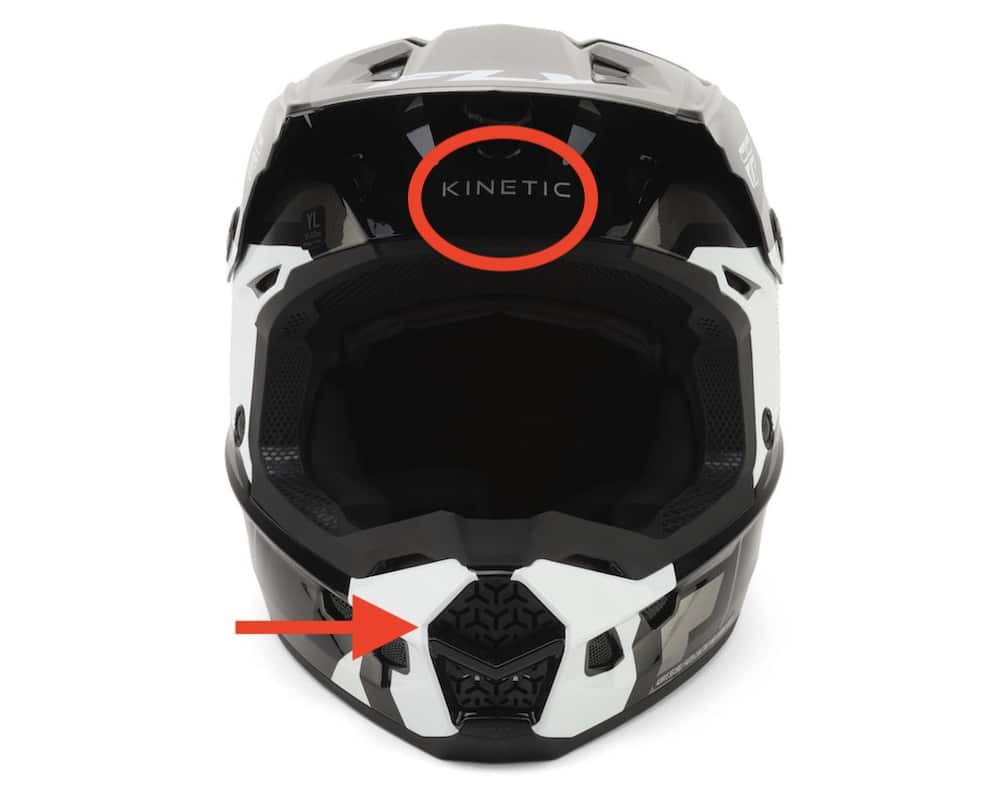
That extra weight is the biggest tradeoff.
For a smaller BMX rider doing repeated laps, I would still prefer the lighter Rayce platform.
But if you want a helmet that feels more heavy-duty and motocross-inspired, the Scrap is the one I would look at first.
The ventilation setup should also help here.
Fly’s ventilation system moves air through the helmet via intake and exhaust ports, which is especially useful once the helmet starts to get hotter during harder riding.
At $139.99, it’s about the same price as the Rayce models.
So the choice is less about money and more about what you want:
Rayce = lighter and more BMX/bicycle focused
Kinetic Scrap = heavier and more heavy-duty
If your kid prefers a more substantial full-face helmet and you do not mind the extra weight, the Kinetic Scrap is my favorite heavy-duty option in this list.
Fly Racing Youth Kinetic Scrap helmet specs
- Size: Youth S, Youth M, Youth L
- Weight: 43.0 oz / 1,220 g (Youth L)
- Fit & wear: 4.8/5
- Price: $139.99
4. Fly Racing Youth Kinetic Surge Full Face Helmet (Best Bold Graphic Option)
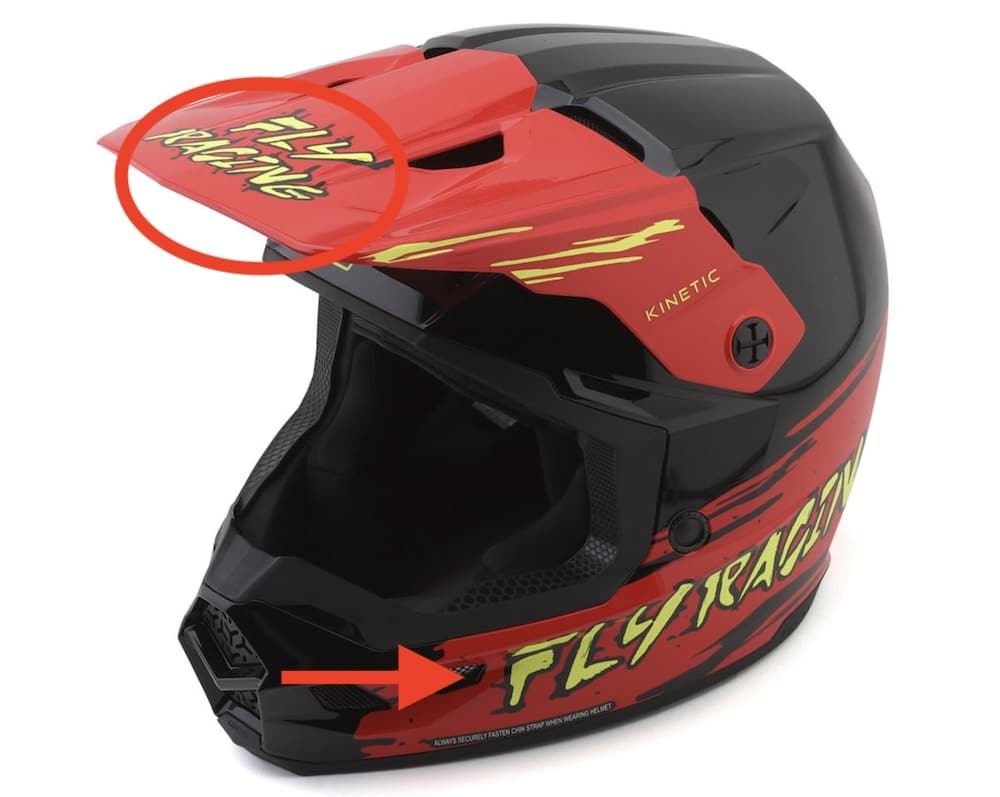
The Fly Racing Youth Kinetic Surge is the one I would pick if your kid wants a helmet that looks much louder than the usual black or white setup.
The black, red, and yellow graphic gives it a much more aggressive look, which some younger riders will absolutely love.
But the grey/hi-vis is also epic!
Moreover, underneath the graphics, this is still a Kinetic-series helmet, so the important thing to know is that it is heavier and more motocross-oriented than the Rayce models.
You get:
- DOT certification
- ECE 22.06 certification
- dual-density EPS liner
- TFV ventilation
- removable and washable liner
- removable cheek pads
- integrated nose guard
The biggest downside is the weight.
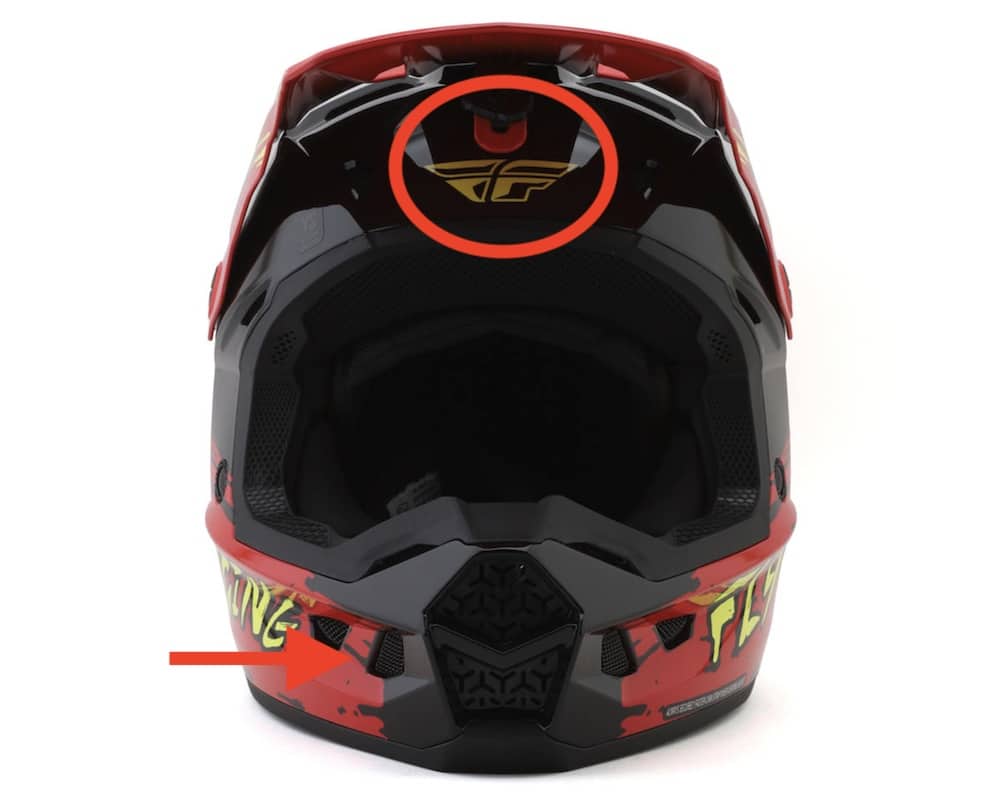
At 51.2 oz, the Kinetic Surge is quite heavy.
That is why I would not make it my first choice for a kid who is mainly doing BMX racing.
Still, if your child really wants something with a bold look, the Surge does that very well.
And because it costs $139.95, you are not paying extra just for the graphics.
For me, the Surge is less about being the lightest or most BMX-specific option and more about style, coverage, and that unmistakable motocross feel.
Fly Racing Youth Kinetic Surge helmet specs
- Size: Youth S, Youth M, Youth L
- Weight: 51.2 oz / 1,450 g (Youth L)
- Fit & wear: 4.7/5
- Price: $139.95
5. Fly Racing Youth Kinetic Solid Full Face Helmet (Best Simple Heavy-Duty Option)
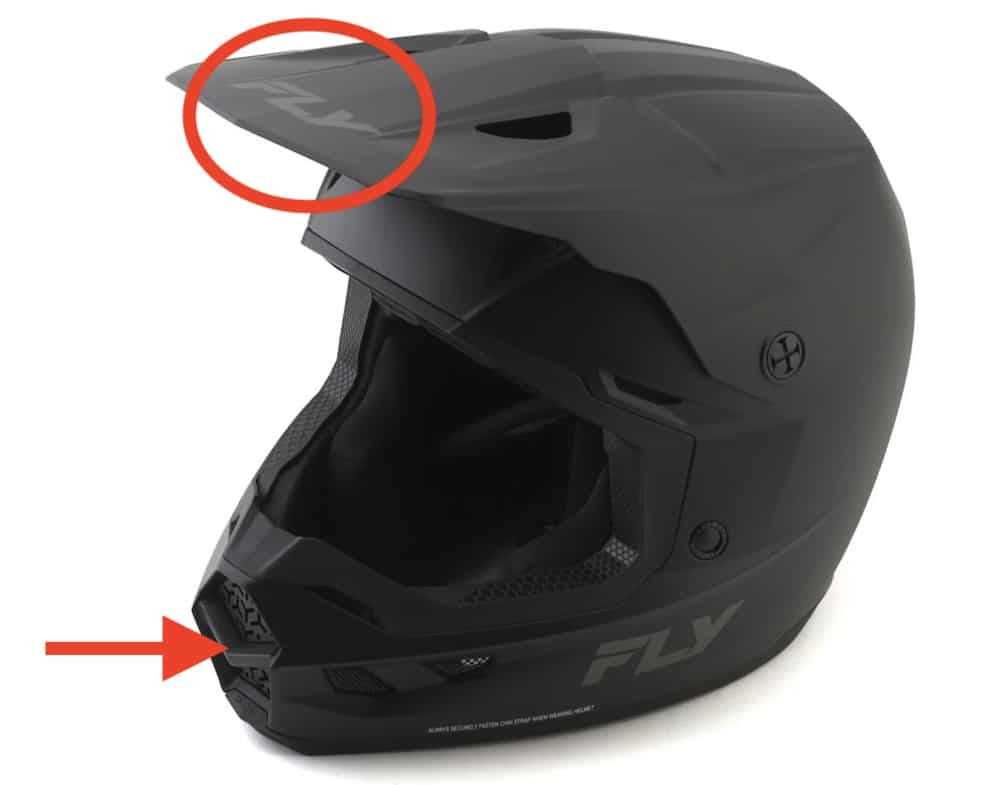
The Fly Racing Youth Kinetic Solid is the cleanest-looking helmet in this roundup.
Period.
No wild graphics. No loud color combinations.
Just a simple matte black finish over the same heavy-duty Kinetic platform.
While I’m not really a fan of matte frames and parts, I think a matte helmet is the best-looking.
Fly gives it a polymer shell, dual-density EPS liner, integrated nose guard, and four shell/EPS sizes to help create a more precise youth fit.
You also get:
- TFV ventilation
- removable and washable liner
- removable cheek pads
- soft fleece helmet bag
Unfortunately, it’s Kinetic, so that means weight.
At 51.2 oz, this is one of the heavier helmets here.
That is quite a jump from the 930 g Rayce models, so I would still lean toward a Rayce for kids who mainly race BMX.
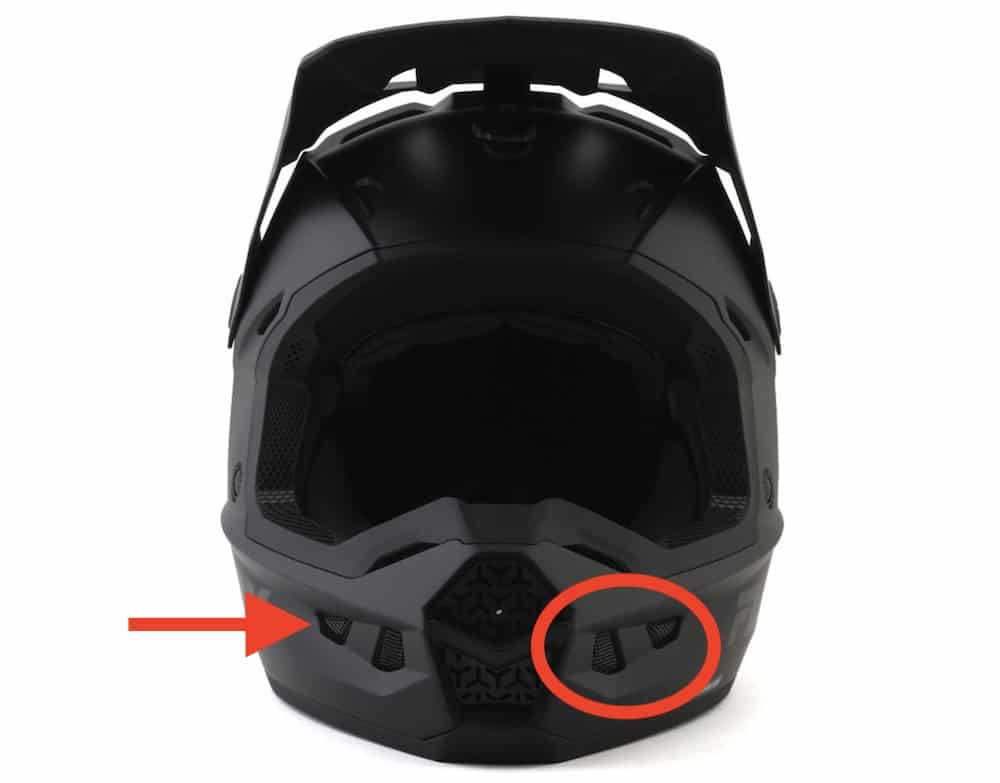
But if you like the more substantial Kinetic feel and prefer a cleaner look than the Scrap or Surge, this one is an easy choice.
I also like that Fly uses multiple shell and EPS sizes here instead of trying to cover the entire youth range with a single shell.
That should help the helmet sit more naturally.
For me, the Kinetic Solid is the one to get if you want a simple, no-nonsense heavy-duty helmet without the flashy graphics.
Fly Racing Youth Kinetic Solid helmet specs
- Size: Youth S, Youth M, Youth L
- Weight: 51.2 oz / 1,450 g (Youth L)
- Fit & wear: 4.7/5
- Price: $139.95
What Makes A Good Full Face BMX Helmet For Kids?
A good kids full face BMX helmet needs to do more than just cover the head.
It also needs to fit correctly, stay comfortable, and be light enough that your kid actually wants to wear it.
Here are the main things I look at:
- Proper fit: This comes first. The helmet should feel snug without creating painful pressure points, and it should not move around when the head turns.
- Low weight: Kids have smaller necks and less body mass, so helmet weight matters a LOT. A lighter bicycle-focused helmet is usually easier to wear through multiple BMX laps or longer sessions.
- Good ventilation: Full-face helmets can get hot quickly. Look for plenty of intake and exhaust vents, especially if your kid rides hard or races in warm weather.
- The right certification: For BMX, I like seeing bicycle-specific standards such as CPSC 1203, CE EN 1078, and ASTM F1952. Motocross helmets may use DOT or ECE standards instead, which are aimed at a different type of riding.
- Secure chin coverage: The whole point of going full face is the extra protection around the jaw and face, so the chin bar needs to feel solid and properly positioned.
- Comfortable cheek pads: These help keep the helmet stable. Removable cheek pads are even better because they are easier to wash and replace.
- Washable liner: Kids sweat. A lot. Being able to remove and wash the liner is a big plus.
- Easy strap system: The chin strap should be secure, but also simple enough that you are not fighting with it every time the helmet goes on.
- Youth-specific sizing: I would always choose a proper youth size over simply buying an adult helmet that happens to come in XS.
- Replacement parts: Being able to buy new cheek pads, liners, or visors can extend the useful life of the helmet.
A helmet is only one part of the setup, so I also recommend checking out my BMX riding safety tips for more ways to stay protected.
BMX Helmet Vs Motocross Helmet For Kids
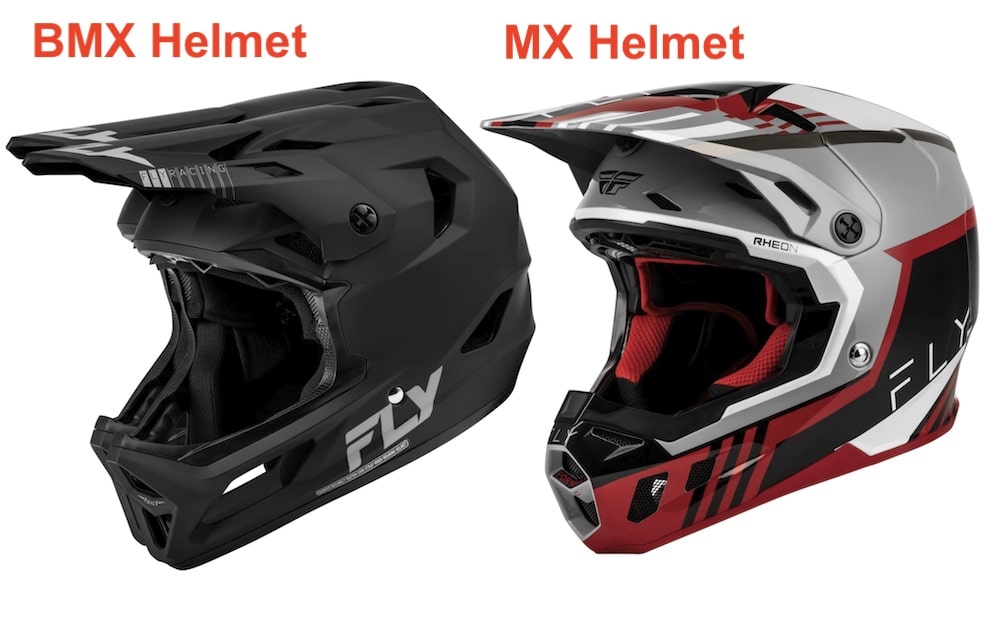
They may look similar, but a BMX full-face helmet and a motocross helmet are built for different jobs.
And in hand, they feel completely different.
No, I would not automatically choose the heavier motocross option just because it looks more protective.
BMX / Bicycle Full-Face Helmet
A bicycle-focused full-face helmet is usually:
- lighter
- easier to wear for longer sessions
- better suited to repeated BMX laps
- designed around bicycle-specific safety standards
- easier on the neck for younger riders
The Fly Rayce helmets in this roundup are a good example.
They weigh 930 g in Youth M and use bicycle-related certifications such as CPSC 1203, ASTM F1952, and CE EN 1078.
For most kids who mainly ride or race BMX, this is the type of helmet I would choose first.
Motocross Helmet
A motocross helmet is usually:
- heavier
- more substantial
- built around motorcycle/off-road standards
- designed for a different type of impact and riding environment
The Fly Kinetic helmets are a good example here.
They use DOT and ECE 22.06 certification and are noticeably heavier than the Rayce models.
For example, the Kinetic Surge and Solid weigh 1,450 g in Youth L.
That does not mean they are “better” or “safer” for BMX.
It just means they were designed around a different use case.
How Heavy Should A Kids’ Full Face BMX Helmet Be?
For kids, I would always pay close attention to helmet weight.
A full-face helmet already has more material than an open-face helmet, so keeping the weight reasonable makes a BIG difference in comfort.
There is no single perfect number for every kid, but as a general rule, I would look at it like this:
- Around 900–1,000 g: Excellent for a youth BMX full-face helmet
- Around 1,100–1,250 g: Still reasonable, but you will notice the extra weight
- Around 1,400–1,500 g: Heavy for BMX and better suited to riders who specifically want a motocross-style helmet
That is exactly why I like the Fly Rayce helmets so much for BMX.
They stay on the lighter side for a full-face setup.
Meanwhile, the Kinetic models are much heavier.
Keep in mind that the helmets are not all measured in the same size, so I would not compare the numbers too aggressively.
Still, the difference between the Rayce and Kinetic families is pretty clear.
For kids who mainly ride or race BMX, I would personally aim for a helmet around 1,000 g or less if the fit, certification, and protection are right.
Why?
Because a lighter helmet is usually:
- easier to wear for longer sessions
- less tiring during repeated laps
- more comfortable when turning and moving the head
- less likely to feel bulky or annoying
How To Choose The Right Helmet Size
- Measure head circumference: Use a soft measuring tape and wrap it around the widest part of your kid’s head, just above the eyebrows and ears.
- Check the exact size chart: Do not assume Youth M from one brand fits the same as Youth M from another.
- Do not size up for growth: A helmet that is too loose can move around too much. Proper fit matters more than trying to get an extra year out of it.
- Check the cheek pads: They should sit firmly against the cheeks without feeling painfully tight.
- Try moving the helmet: Once strapped in, gently move it side to side and front to back. The helmet should move with the head rather than sliding around independently.
- Check the chin strap: It should sit securely under the chin without being uncomfortably tight.
- Wear it for a few minutes: Do not judge the fit after five seconds. Let your kid wear it around the house for a little while and check for uncomfortable pressure points.
- Check again after they grow: Kids can outgrow helmets surprisingly quickly, so it is worth rechecking the fit from time to time.
When ordering online, check the return policy. If you’re buying from Dan’s Comp, you can return your order within 30 days from purchase.
And if your kid is between sizes, ideally get the helmet in both sizes and then return one.
Full Face BMX Helmet For Kids Pros & Cons
A full-face helmet gives kids more coverage than a regular open-face helmet, but there are a few tradeoffs to keep in mind.
Pros
- More facial coverage: The chin bar protects areas that an open-face helmet leaves exposed.
- Great for BMX racing: Full-face helmets are a common choice for faster BMX riding, jumps, and race tracks.
- Extra confidence: Some kids simply feel more comfortable riding faster or trying bigger features with more coverage around the face.
- Useful beyond BMX: A good bicycle full-face helmet can also work well for bike parks, downhill, and dirt-jump sessions.
- Plenty of youth options: Proper youth sizing makes it easier to get a secure fit without relying on an oversized adult helmet.
Cons
- Heavier: Even lightweight full-face helmets weigh more than standard open-face BMX helmets.
- Hotter: More coverage means more heat, which makes good ventilation especially important.
- More expensive: Full-face helmets usually cost more than basic BMX helmets.
- Fit matters even more: Cheek pads, chin-bar position, and overall shell size all need to feel right.
- Some models can be TOO heavy for BMX: Motocross-style youth helmets can weigh substantially more than bicycle-focused options.
Conclusion: Which Full Face BMX Helmet Should You Get For Your Kid?
For most young BMX riders, I would go with the Fly Racing Youth Rayce Repeat.
It gives you the best mix of:
- low weight
- youth-specific sizing
- strong ventilation
- bicycle-focused safety certifications
- removable liner and cheek pads
- reasonable $139.95 price
At 32.8 oz(Youth M), it is also much easier to recommend for BMX than the heavier Kinetic models.
The Rayce Sonar Youth is a very close second.
It offers the same lightweight, bicycle-focused approach, so I would happily choose it if your kid prefers the Sonar graphics.
If you specifically want something more substantial, the Kinetic Scrap is my favorite heavy-duty option.
It is heavier at 43.0 oz (Youth L), but still lighter than the Kinetic Surge and Solid.
The Kinetic Surge is the one I would pick for bold graphics.
And the Kinetic Solid is the cleaner choice if you want the same heavy-duty style without loud colors.
So my final picks are:
- Best overall: Fly Racing Youth Rayce Repeat
- Best lightweight alternative: Fly Racing Rayce Sonar Youth
- Best heavy-duty option: Fly Racing Youth Kinetic Scrap
- Best bold graphic option: Fly Racing Youth Kinetic Surge
- Best simple heavy-duty option: Fly Racing Youth Kinetic Solid
In short, a lighter, properly fitted helmet your kid actually likes wearing is always the better buy than a heavier one that feels uncomfortable.
FAQs About Full Face BMX Helmets For Kids
Do kids need a full face helmet for BMX?
Not always, but I strongly recommend one for BMX racing, faster tracks, bigger jumps, and bike parks. For casual cruising, a regular certified BMX helmet may be enough.
What is the best full face BMX helmet for kids?
My top pick is the Fly Racing Youth Rayce Repeat. It is lightweight, youth-specific, well ventilated, and uses bicycle-focused certifications.
Are full face helmets safer than open-face helmets?
They provide more coverage around the face and jaw. But the best helmet is still one that fits properly, is certified for the type of riding, and is worn correctly.
Are motocross helmets good for BMX?
They can work, but they are usually heavier and designed around different standards. For BMX only, I would normally choose a lighter bicycle-focused full-face helmet first.
How should a kids’ full face helmet fit?
It should feel snug and secure without painful pressure points. The helmet should not slide around when your kid moves their head.
Should I size up so my kid can grow into the helmet?
No. I would always buy the size that fits correctly now rather than going too large for extra growing room.
Are youth helmets better than adult XS helmets for kids?
Usually, yes. A proper youth helmet is designed around smaller head shapes and proportions, which can help with fit and comfort.
What certifications should I look for?
For bicycle-focused full-face helmets, I like seeing standards such as CPSC 1203, CE EN 1078, and ASTM F1952. Motocross helmets commonly use DOT and ECE 22.06 instead.
Is ASTM F1952 good for BMX?
Yes. ASTM F1952 is a downhill mountain-bike helmet standard and is a very relevant certification for full-face bicycle helmets used for aggressive riding.
Are full face BMX helmets hot?
They can be. That is why ventilation matters so much, especially for kids riding in warm weather or doing repeated race laps.
Can kids use full face helmets at skateparks?
Yes, as long as the helmet is suitable for bicycle use and fits correctly. A lighter full-face bicycle helmet will usually be more comfortable than a heavy motocross helmet.
How often should a kids BMX helmet be replaced?
Replace it after a significant crash if the manufacturer recommends doing so, or whenever you see cracks, damaged foam, broken straps, or other signs of damage. You should also replace it once your kid outgrows it.
Is an expensive full face helmet worth it for kids?
It can be, especially if the higher price gets you lower weight, better ventilation, a better fit, and suitable safety certification. But price alone does not make a helmet better.