
Looking for the best BMX race headsets, but not 100% sure which one actually fits your bike?
Yeah, I get it.
BMX headsets seem like simple parts.
Two bearings, a compression ring, a top cap, done. Right?

Well… not always.
With BMX race bikes, headset sizing can get a little more annoying than with freestyle bikes. Not because the headset itself is complicated, but because race frames are more size-sensitive.
Headsets also connect closely with your fork setup, so it’s worth checking my guide to the best BMX race forks if you’re building or upgrading the whole front end.
Some modern BMX race frames use a standard 1-1/8” integrated headset.
Some use a tapered 1-1/8” to 1.5” integrated headset.
And some older or specific race frames may use an internal or semi-integrated headset setup.
So yeah, buying the wrong one is easier than it should be. (Especially when it comes to standard integrated and tapered integrated headsets.)
And nothing kills the excitement of a fresh bike upgrade faster than realizing your shiny new headset doesn’t fit your frame or fork.
That’s why I put this list together.
I’d rather spend a little more on a smooth, sealed BMX race headset that fits properly than deal with a rough front end, weird play, creaking, or a compatibility headache.
Because on a race bike, your front end should feel smooth, tight and READY.
This post covers:
- Best BMX Race Headsets
- BMX Race Headset Types Explained
- Integrated vs Tapered BMX Race Headsets
- How To Choose The Right BMX Race Headset
- BMX Race Headset Size Chart
- Conclusion: What Is The Best BMX Race Headset?
- FAQs About BMX Race Headsets
Best BMX Race Headsets
1. Box Two Tapered Integrated Headset
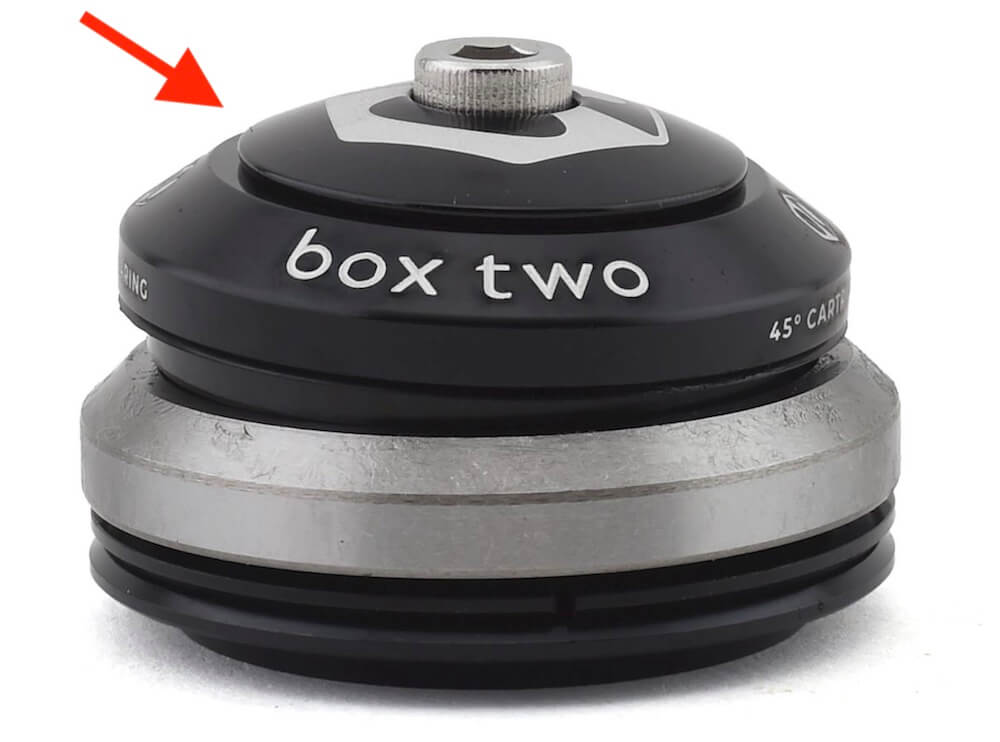
The Box Two sealed tapered integrated headset is a strong pick for modern BMX race frames that use a 1-1/8” to 1.5” tapered setup.
What I like here is that Box didn’t just make this headset look clean.

It’s built around their Oversized Technology, with a larger 1.5” lower bearing area to help spread load and reduce front-end flex.
Box also mentions the use of massive sealed bearings and includes a 1-1/8” reducer race, which is handy if you’re running a straight 1-1/8” steerer in a tapered frame.
It also uses 45° x 45° angular contact bearings, with SHIS sizing listed as IS42/28.6 and IS52/40, plus adapter compatibility for IS52/30 setups.
- Weight: 3 oz (85.0 g)
- Price: $59.99 (may vary)
2. Answer Tapered Headset
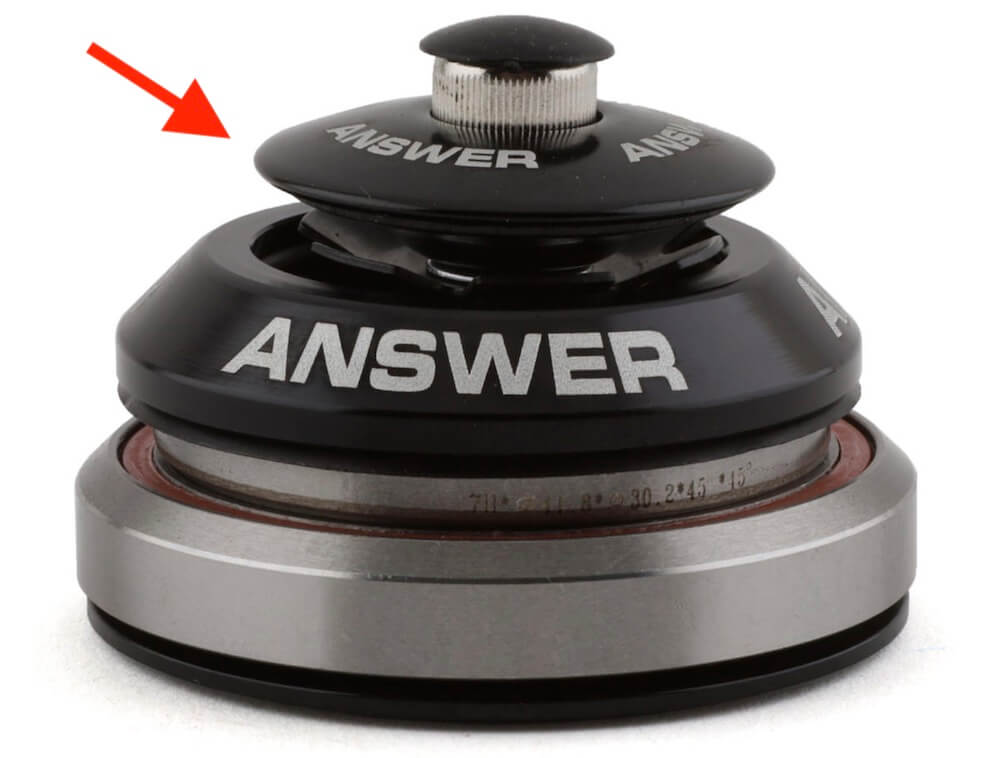
Answer’s tapered headset is a clean option if your BMX race frame uses the modern 1-1/8” to 1.5” integrated setup.
What I like most is that it doesn’t overcomplicate anything.
You get two sealed bearings, a 1.5” bearing race, top cap, star nut, and an adapter race for 1-1/8” steer tubes.
That last part is handy because not every rider with a tapered frame is running a tapered fork. Some still run a straight 1-1/8” race fork, and this helps make that setup work.
It also uses a CNC-machined 6061 aluminum cover and compression star, keeping the front end light, clean and race-ready.
- Weight: 2.8 oz (79.4 g)
- Price: $64.95 (may vary)
3. Elevn Integrated Tapered Headset
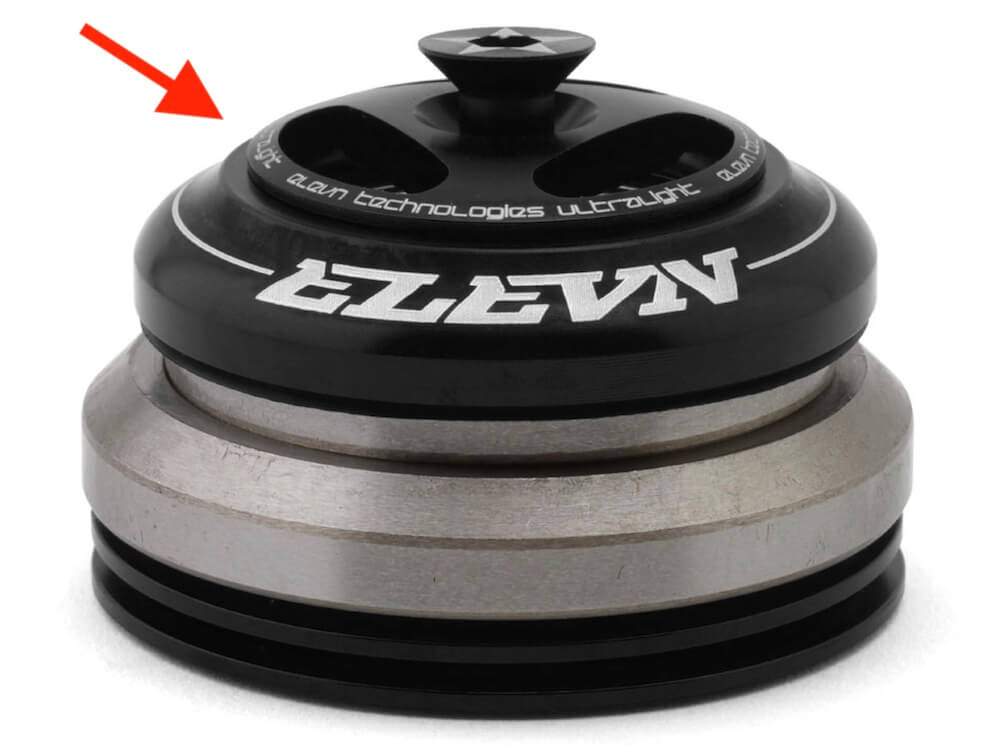
Weight nerds, this one’s for you.
The Elevn integrated tapered headset comes in at only 2.15 oz / 61 g, which is pretty wild for a complete tapered race headset.
It’s built for modern 1-1/8” to 1.5” tapered BMX race frames, with ultra-smooth sealed bearings, CNC-machined 6061 alloy cups, and a 7075 alloy fork bearing race.
Another detail I really like (just like with the other two tapered headsets – but I need to mention it again): Elevn includes two fork races.
One for 1-1/8” forks.
One for 1.5” forks.
That gives you more flexibility when setting up your front end, especially if your frame is tapered, but your fork setup needs the right race to match.
- Weight: 2.1 oz (59.5 g)
- Price: $56.99 (may vary)
4. Answer Integrated Headset
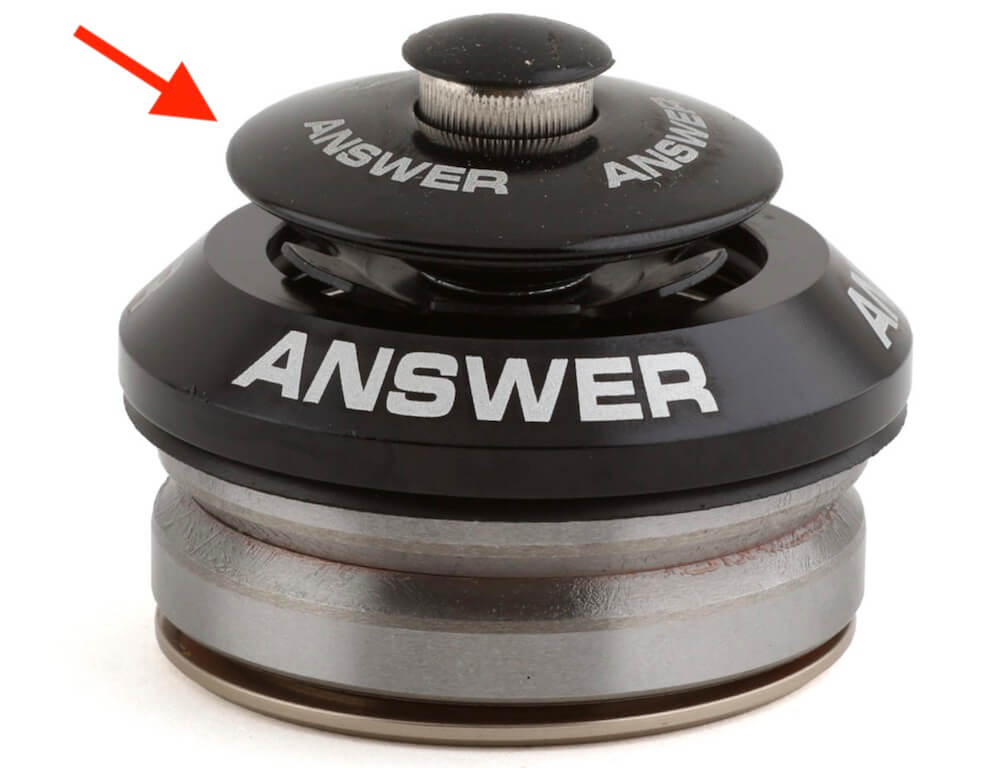
Not every race frame needs a tapered headset.
And that’s where the Answer integrated headset comes into play.
This one is for frames that use a regular 1-1/8” integrated headset setup, which is still very common on BMX race bikes.
But keep in mind, this headset is also available in the 1″ size.
You get two sealed bearings, a CNC-machined 6061 aluminum cover, a compression star and a clean, simple finish.
Nothing fancy for the sake of being fancy. And I like that!
Just a smooth sealed headset that does the job and keeps your race bike’s front end dialed.
- Weight: 3.1 oz (87.9 g) – 1-1/8″ version
- Price: $49.95 (may vary)
5. Tangent Integrated Headset
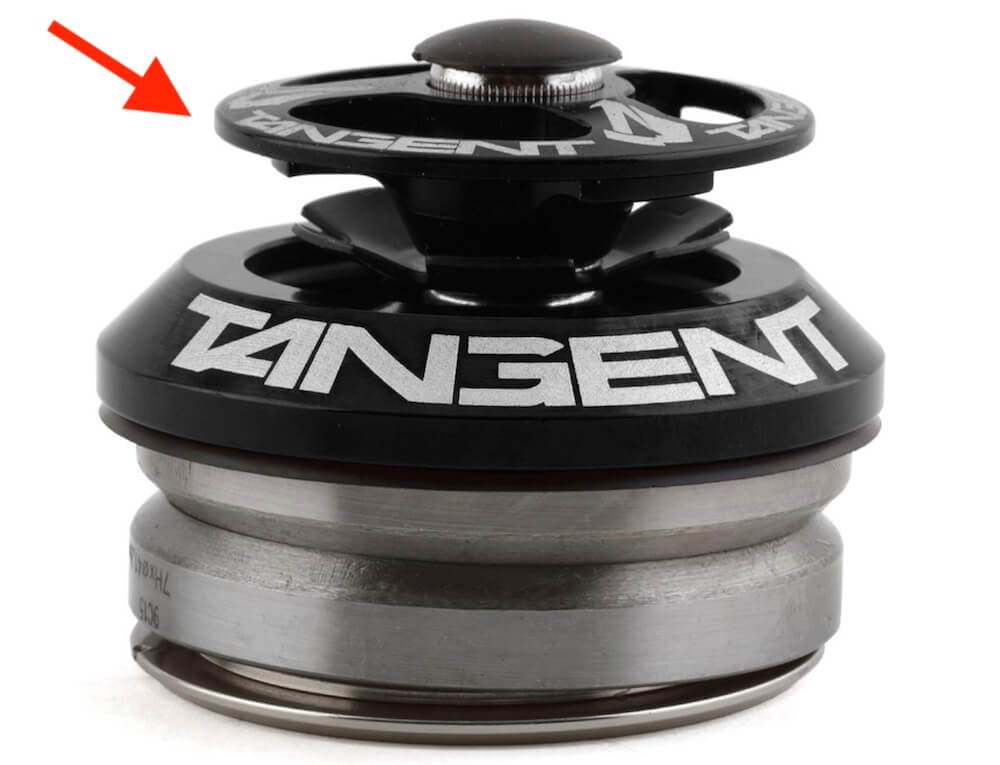
A clean race bike deserves a clean front end, and the Tangent integrated headset keeps things simple in the best way.
This is a regular 1-1/8” integrated headset, so it’s for race frames that don’t need a tapered setup.
You get sealed bearings, an aluminum compression ring, and a matching top cap for a sleek look.
Plus, Tangent offers plenty of color options, which is always nice if you’re trying to match your build without going full rainbow chaos.
- Weight: 2.6 oz (73.7 g)
- Price: $44.95 (may vary)
6. Crupi Integrated Headset
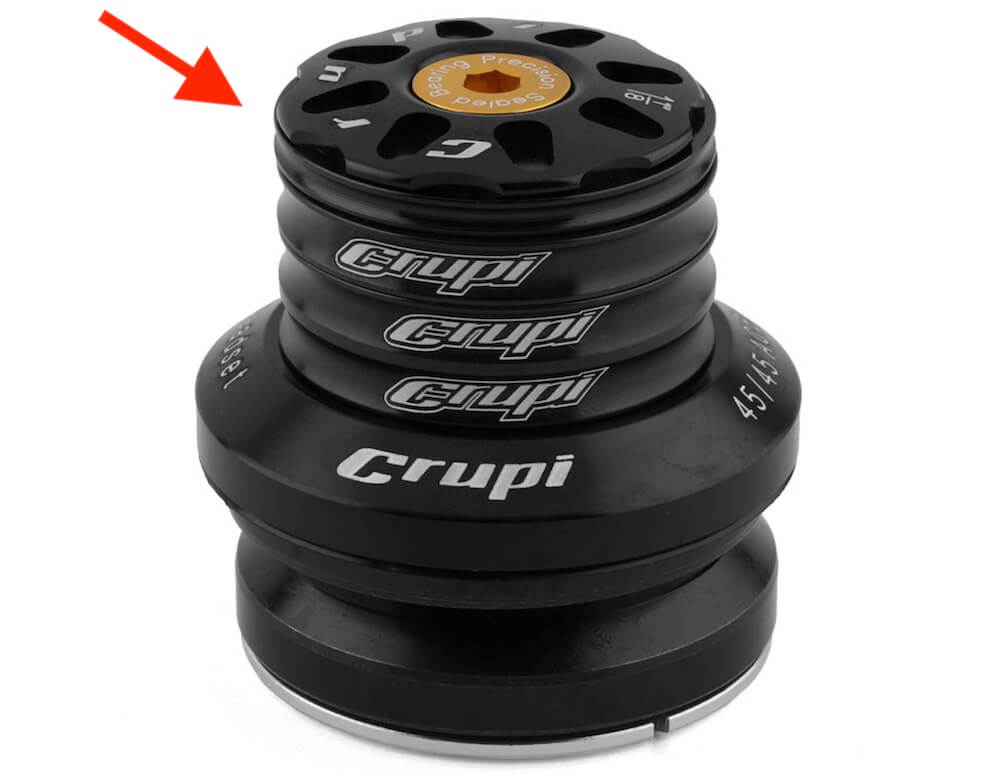
Crupi keeps this one classic and race-friendly.
No tapered sizing to worry about here — the Crupi integrated headset is made for regular 1-1/8” and 1″ integrated race frames.
You get sealed cartridge bearings, a compression wedge, a top cover and a matching top cap.
Simple setup. Smooth steering. Clean front end.
That’s what’s up!
I also like that Crupi offers various colors, so this one can add a nice little pop to your build without getting silly.
- Weight: 2.9 oz (82.2 g)- 1-1/8″ version
- Price: $44.99 (may vary)
BMX Race Headset Types Explained
1. Integrated BMX Race Headsets
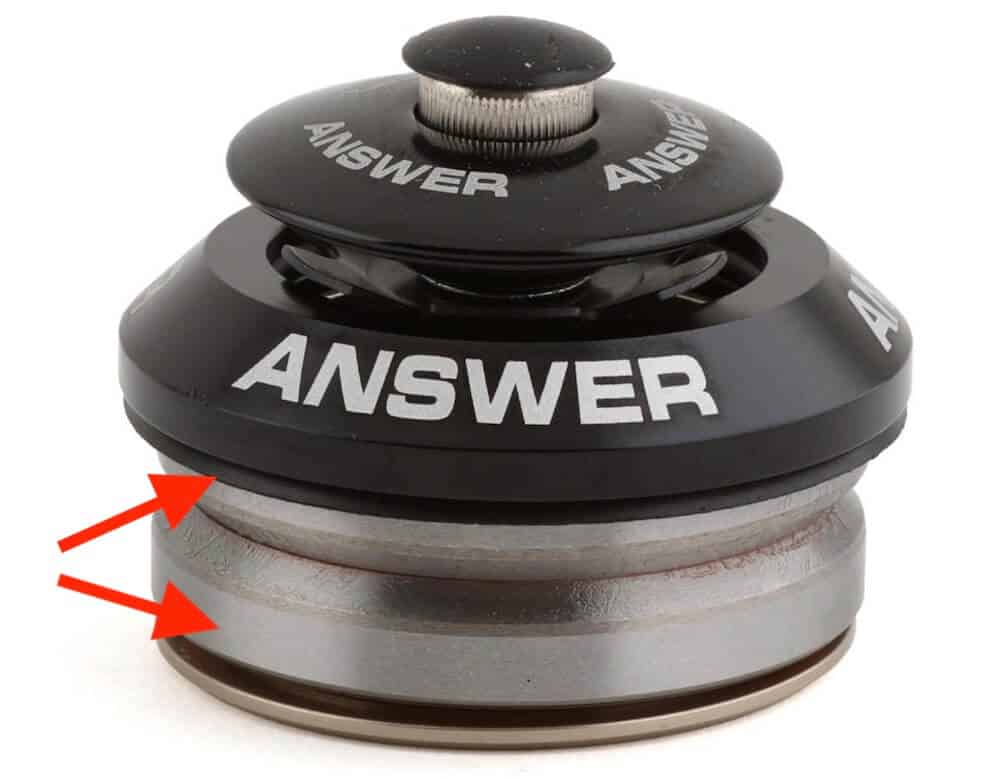
Integrated headsets are very common on modern BMX race frames.
With this setup, the bearings sit directly inside the frame’s head tube.
No external cups needed.
That keeps everything clean, simple and usually pretty lightweight.
Many standard 1-1/8” BMX race frames use an integrated headset, so if your frame is not tapered, this may be the setup you need.
2. Tapered BMX Race Headsets
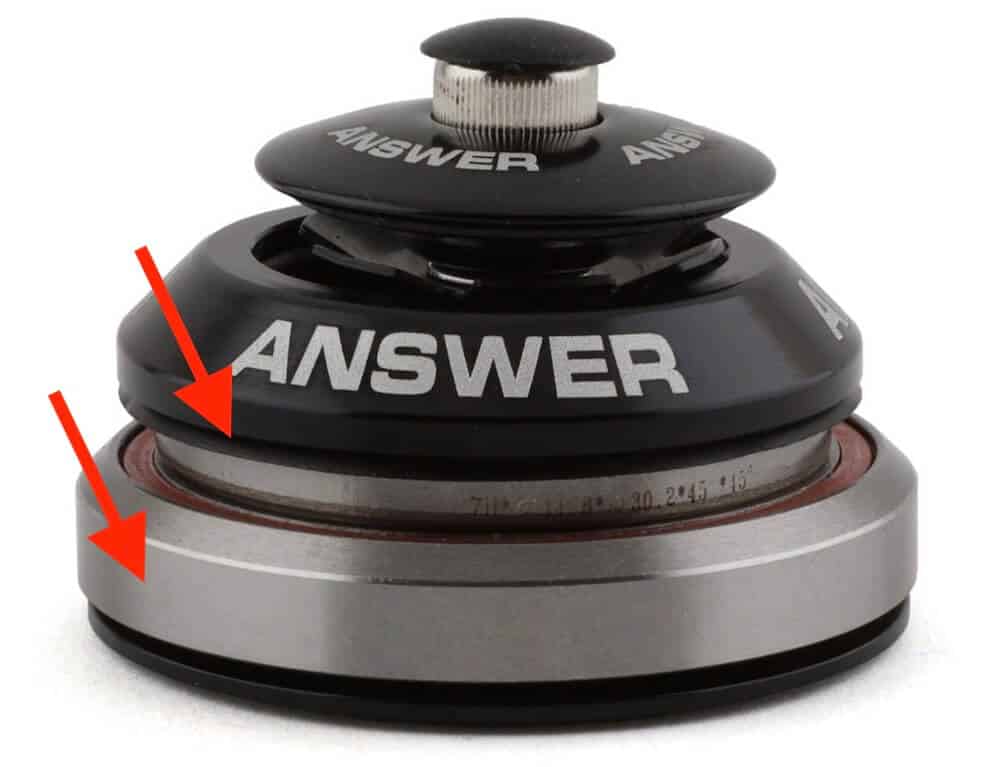
Tapered headsets are usually found on higher-end aluminum and carbon BMX race frames.
Most tapered BMX race headsets use a 1-1/8” top bearing and a larger 1.5” lower bearing.
That larger lower bearing provides the front end with a larger contact area, which can help with stiffness and support.
But here’s the important part:
Your frame and fork setup must match.
Don’t buy a tapered headset just because it sounds better. Check your frame first. Then check your fork.
If you’re building a lighter high-end front end, this is also where my carbon BMX race forks guide can help you match the fork style to the right headset setup.
3. Internal / Semi-Integrated Headsets
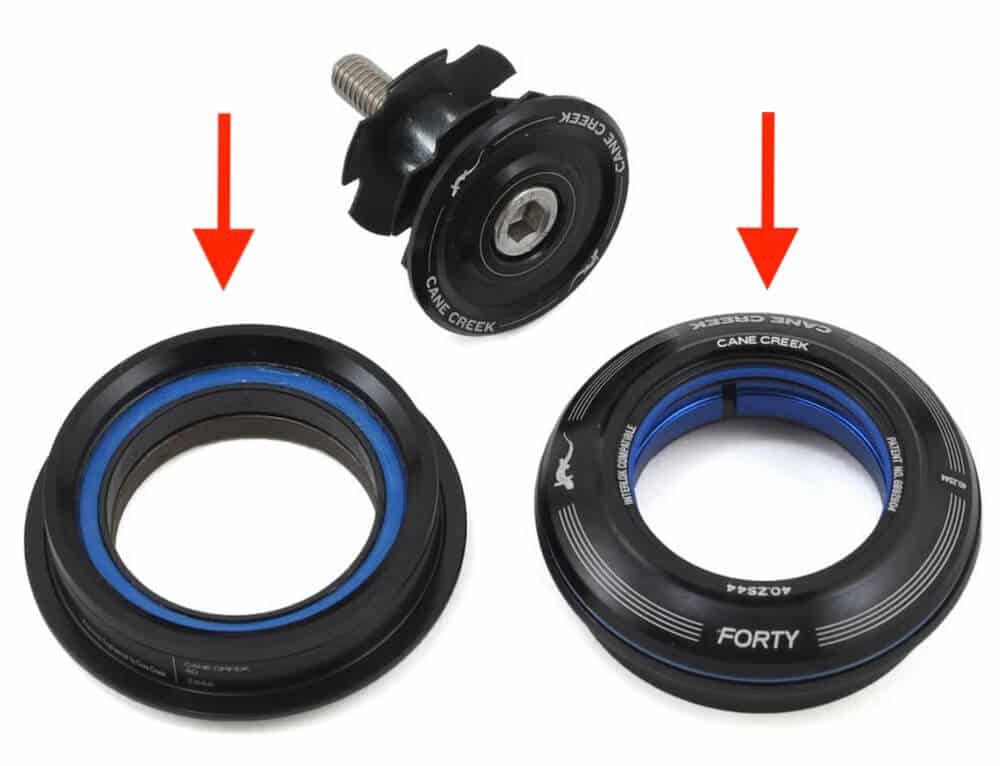
Internal, or semi-integrated, headsets use cups that sit inside the head tube.
So the bearings don’t sit directly in the frame like a true integrated headset.
These are less common on modern high-end BMX race frames, but they can still show up on older frames or certain specific models.
If your frame mentions internal or semi-integrated sizing, don’t guess.
Check the exact specs before ordering.
4. Standard / External Cup Headsets
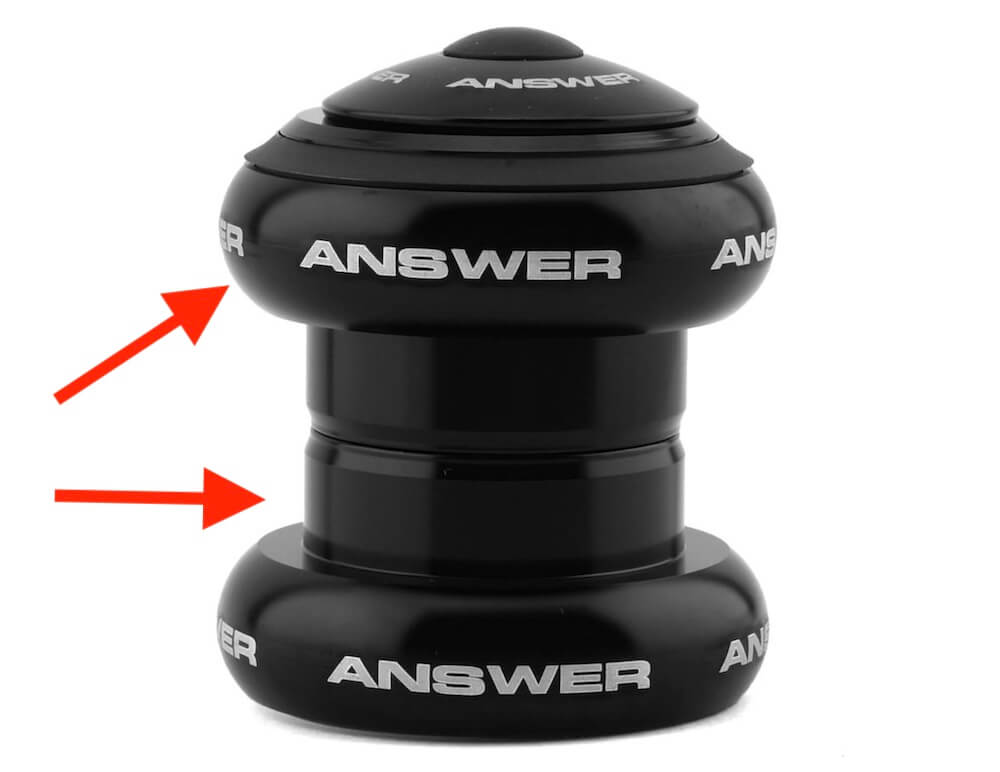
Standard headsets use cups that press into the top and bottom of the head tube.
You’ll see these more on older BMX bikes or more basic setups.
They’re not as common on modern BMX race builds, especially if you’re looking at newer race frames.
Still, they exist.
So again, frame specs first. Headset purchase second.
That tiny check can save you a very annoying return.
Integrated vs Tapered BMX Race Headsets
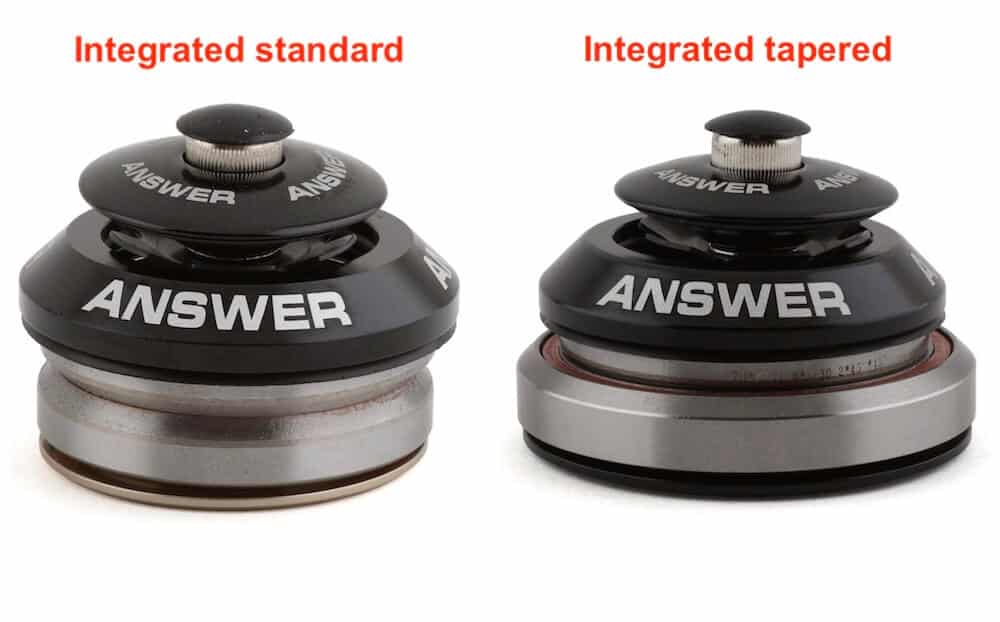
For modern BMX race bikes, integrated and tapered integrated headsets are the two main types you’ll run into most often.
1. Integrated 1-1/8” BMX Race Headsets
A regular 1-1/8” integrated headset is usually the simpler option.
This is best for race frames with a straight 1-1/8” head tube and a straight 1-1/8” fork steerer.
Why riders like them:
- Simple setup
- Often cheaper
- Easy to find
- Common on many BMX race bikes
- Clean look
- Sealed options available
If your frame is a standard integrated 1-1/8” setup, don’t overthink it. A good sealed integrated headset is all you need.
2. Tapered Integrated BMX Race Headsets
A tapered integrated headset is for tapered BMX race frames.
As I mentioned earlier, these use a 1-1/8” upper bearing and a larger 1.5” lower bearing.
You’ll see this setup on carbon race frames and higher-end aluminum frames.
The larger lower bearing provides the front end with a larger contact area, which can help with stiffness and support. That’s why tapered setups are common on more serious race builds.
But there’s one detail you really need to watch:
If you’re using a straight 1-1/8” fork in a tapered frame, you may need the correct crown race, adapter race or reducer.
Some headsets include it.
Some don’t.
And yes, that tiny piece can ruin your day if you forget it.
How To Choose The Right BMX Race Headset
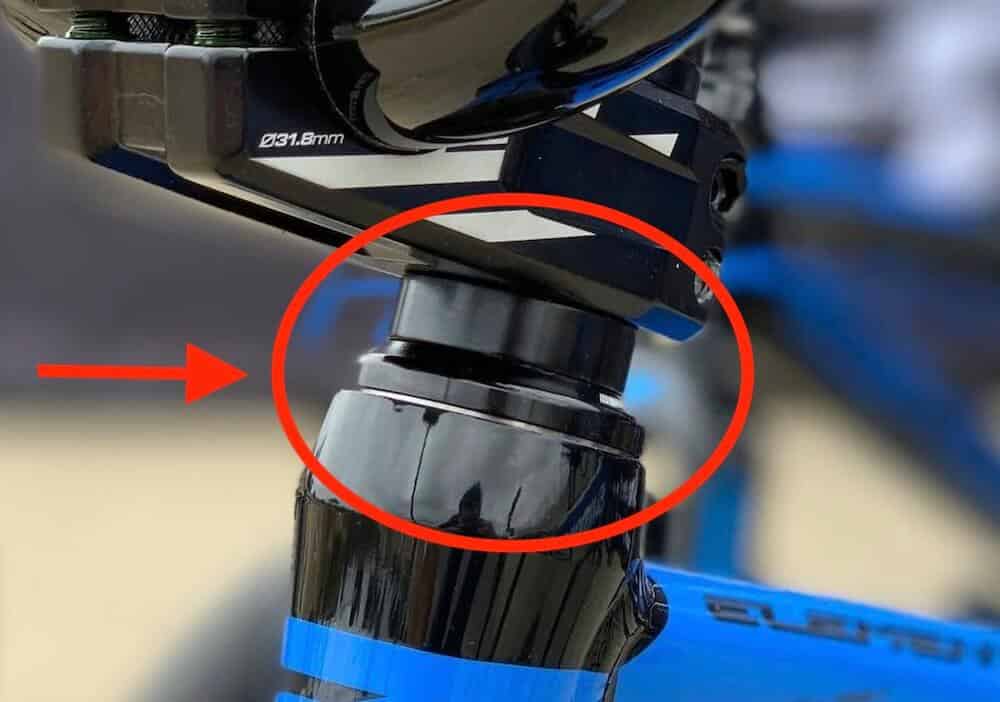
- Frame head tube type: First, check whether your frame uses an integrated, tapered integrated, internal/semi-integrated, or standard/external cup headset. This is the most important step.
- Fork steerer size: Your fork is usually either straight 1-1/8” or tapered. Match the headset to the frame-and-fork combo, not just the frame. (For budget-friendly or stronger front-end setups, my chromoly BMX race forks roundup is also worth checking.)
- Bearing size: Look for sizes like IS42, IS52, 1-1/8”, 1.5”, etc. These numbers matter. A headset can look almost identical online and still be completely wrong.
- Crown race: Check whether the headset includes the correct crown race. This is especially important with tapered setups or if you’re running a straight 1-1/8” fork in a tapered frame.
- Compression cap / top cap: Make sure the top cap and compression parts work with your fork and stem setup. Most are simple, but race bikes can get picky when you start mixing brands.
- Material: Alloy is common and works great. Carbon top caps or covers can save a few grams and look fancy, but they’re not magic. Nice? Yes. Necessary? Not really.
- Sealed bearings: I’d always choose sealed bearings for BMX racing. Tracks get dusty, wet and gritty. Sealed bearings help keep the front end smoother for longer.
- Weight: Saving grams is cool. I get it. Race bikes are all about efficiency. But don’t chase weight before fit, bearing quality and smooth steering. A light headset that doesn’t fit right is useless.
BMX Race Headset Size Chart
| Headset Type | Common Size | Best For | Notes |
|---|---|---|---|
| Integrated | 1-1/8”, 1″ | Modern straight race frames | Common & easy to find |
| Tapered Integrated | 1-1/8” top, 1.5” bottom | Carbon/high-end race frames | Check fork & crown race |
| Internal / Semi-Integrated | 1-1/8” | Older/specific race frames | Needs frame-specific sizing |
| Standard / External | 1-1/8”, 1″ | Older/basic BMX frames | Less common on modern race bikes |
Conclusion: What Is The Best BMX Race Headset?
Choosing the best BMX race headset really comes down to your frame and fork setup.
But if I had to narrow it down, here’s how I’d pick:
- Best overall tapered pick: BOX Two Sealed Tapered Integrated Headset
- Best standard integrated pick: Answer Integrated Headset
- Best lightweight pick: ELEVN Integrated Tapered Headset
- Best value pick: Crupi Integrated Headset
The BOX Two is my favorite tapered option because it feels like the safest all-around pick for modern race frames with a larger lower bearing setup.
For standard 1-1/8” integrated frames, the Answer Integrated Headset makes a lot of sense. It’s simple, sealed and affordable.
If weight is high on your list, the ELEVN is hard to ignore.
And for a clean 1-1/8” race headset that doesn’t get silly with price, Crupi is a solid value pick.
The best BMX race headset is the one that actually fits your frame and fork.
Smooth sealed bearings are great, but correct sizing comes first.
Once that’s sorted, any of the headsets above can help keep your race bike’s front end feeling smooth, clean and ready for wins.
FAQs About BMX Race Headsets
What headset do BMX race bikes use?
Most modern BMX race bikes use integrated or tapered integrated headsets.
What is a tapered BMX race headset?
A tapered BMX race headset usually has a smaller 1-1/8” upper bearing and a larger 1.5” lower bearing.
Is an integrated headset the same as a tapered headset?
No. Integrated means the bearings sit directly inside the frame. Tapered means the headset uses different upper and lower sizes, usually with a larger lower bearing.
Can I use a tapered headset on any BMX race frame?
No. Your frame must be made for a tapered headset. If your frame is a regular straight 1-1/8” integrated frame, a tapered headset will not fit.
Can I use a straight 1-1/8” fork in a tapered BMX race frame?
Sometimes, yes. But you’ll usually need the correct reducer crown race or adapter to make the straight 1-1/8” fork work with the larger lower bearing area.
Are sealed bearings better for BMX racing?
Yes. I’d always pick sealed bearings for BMX racing because they’re smoother, cleaner and better protected from dust, dirt and track grime.
Do BMX race headsets make a bike faster?
Not directly. A headset won’t suddenly make you faster out of the gate. But a smooth, properly fitted headset makes your steering feel better and keeps your bike feeling dialed.
How do I know what BMX race headset size I need?
Check your frame and fork specs first. Look for the headset type, bearing size, fork steerer size and whether the frame is tapered or straight.
What is the best BMX race headset?
The best BMX race headset is the one that matches your frame and fork. For many modern race bikes, that means a quality integrated or tapered integrated headset with sealed bearings. Get the size right first. Then worry about weight, color and style.