A BMX helmet needs to protect your head first.
Period.
But let’s be real — if it feels huge, sits awkwardly, or cooks your head after ten minutes, you probably won’t enjoy wearing it.
I’m extremely picky about helmets, and over the years I’ve tried everything from lightweight skate-style lids to full-face options.
For this list, I focused on certified BMX helmets that balance protection, fit, ventilation, weight, and a low-profile look.
Whether you ride street, park, trails, pump tracks, or BMX racing, these are the helmets I’d look at first.
Let’s get you riding safely and in style.
This post covers:
- Best BMX Helmets
- How To Make A BMX Helmet Look Better Without Ruining The Fit
- How To Make A BMX Helmet Last Longer
- What Makes A Good BMX Helmet?
- How Should A BMX Helmet Fit?
- Conclusion: What’s The Right BMX Helmet For You?
- FAQs About BMX Helmets
Best BMX Helmets (Review Roundup)
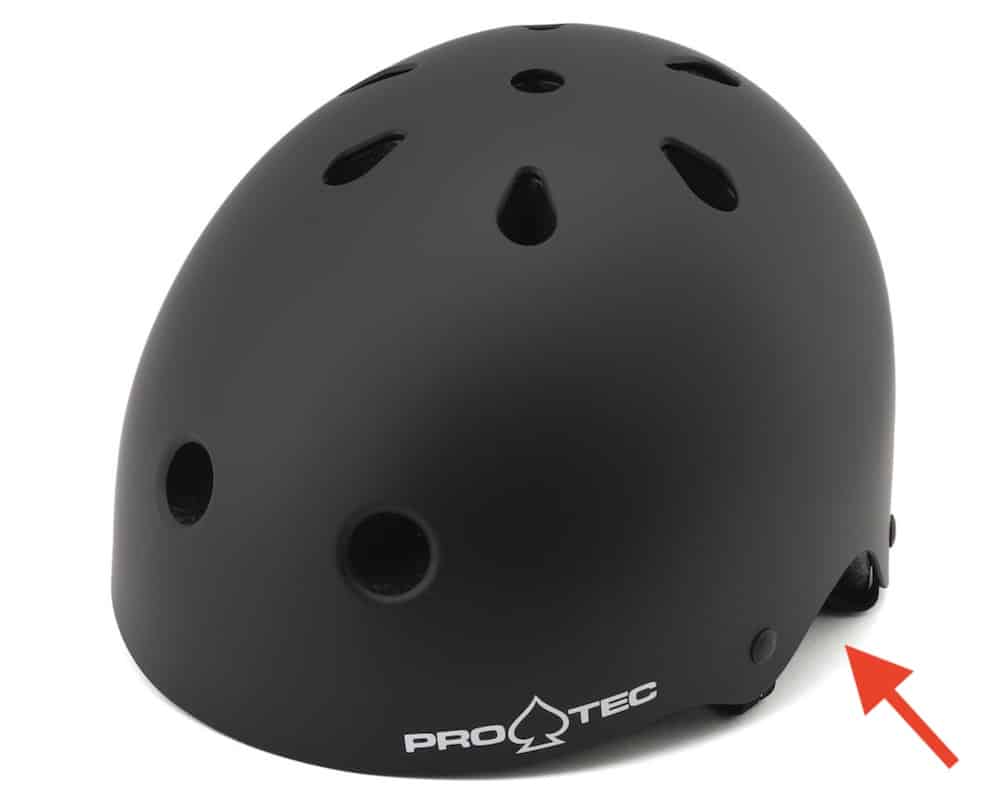
1. Pro-Tec Classic Helmet – Best Low-Profile BMX Helmet
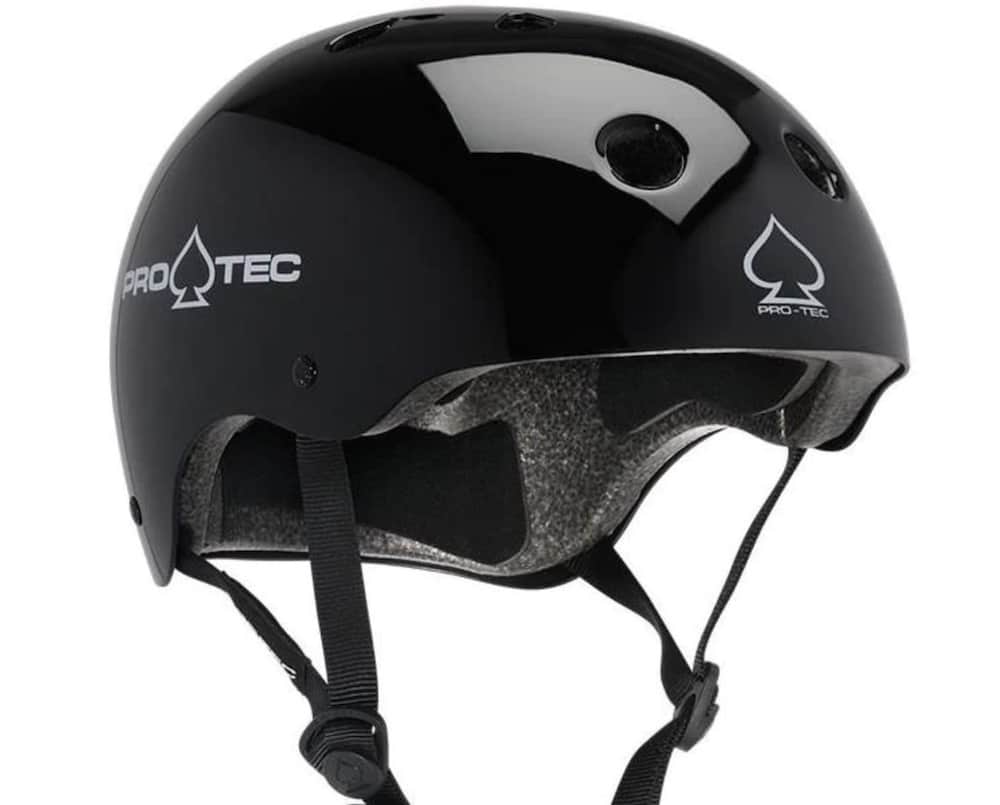
Even though I’m not the biggest fan of the Pro-Tec Classic helmet, many dudes reported back that they prefer it over any other helmet available.
So I’m adding it here for YOU!
The back of the helmet sits a little higher compared to the Old School, so if you have a larger head it may not look as good (which is me, by the way).
However, that’s my opinion.
The helmet still comes in bigger sizes (L, XL & XXL), fitting any head easily.
Try it and decide for yourself, I’m just really picky when it comes to helmets.
Pro-Tec Classic helmet specs:
- Weight: 15.9 oz (450 g)
- Price: $64.99 (may vary)
2. Pro-Tec Low Pro – Best Slim-Fit BMX Helmet
If helmet bulk annoys you, the Pro-Tec Low Pro is one of the most interesting options here.
Pro-Tec uses its SLIMTECH CORE, which the brand says is 22% thinner than a standard helmet. The result is a deeper, slimmer fit that sits closer to your head instead of giving you that oversized helmet look.
Love it.
I also like the FLEXLOCK FIT system and the included 17-piece padding kit.
That gives you plenty of room to fine-tune the fit without removing padding or sizing down just to make the helmet look better.
Safety-wise, the Low Pro is triple-certified to CPSC, ASTM F1447, and ASTM F1492 standards.
Pro-Tec also recommends sizing up if your measurement falls at the upper end of a size range, which is worth keeping in mind before ordering.
For street, park, or everyday BMX, I think this is a really strong choice if you want a helmet that looks cleaner and less bulky.
Pro-Tec Low Pro helmet specs:
- Weight: 16.5 oz (469 g)
- Price: $79.99 (may vary)
3. POC Crane MIPS – Best MIPS BMX Helmet

I was testing the POC Crane MIPS helmet for many years and have only good things to say about it.
The POC Crane MIPS helmet features a lightweight yet robust design resistant to dents.
Its innovative liner merges two distinct densities: a rigid exterior for high-energy collisions and a softer interior for lower-impact protection. This combo ensures progressive impact absorption.
Its notably thicker shell surpasses conventional helmets in durability. Additionally, the bespoke adjustment system guarantees a secure, comfortable fit.
Although it’s on the expensive side, this helmet is worth every $.
POC Crane MIPS helmet specs:
- Weight: 14 oz (400 g)
- Price: $140.00 (may vary)
4. Pro-Tec Fullcut Helmet – Best Old-School BMX Helmet
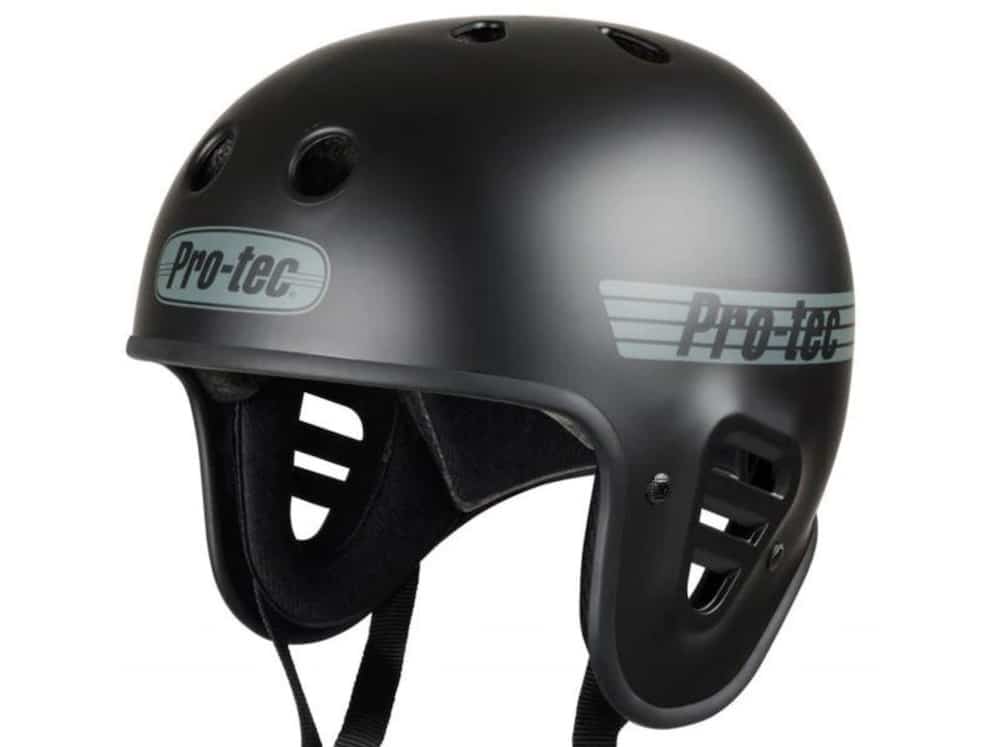
One of my good friends was rocking the Pro-Tec Fullcut BMX helmet for a very long time and loved it!
I cannot ride it because it’s too hot for me. But I sure do like the old-school look of it. I even saw a bunch of street riders wear it and it can really boost your style.
It’s a 70’s helmet that Pro-Tec is keeping around to this day with updated materials, making it last longer and protect your head better.
The Fullcut helmet features an ABS shell with EPS foam and compression-molded padding. The hardware is stainless steel, which takes things to the next level!
You will easily find the right fit with multiple sizing options.
Pro-Tec Fullcut helmet specs:
- Weight: 15.2 oz (430.9 g)
- Price: $84.99 (may vary)
5. Shadow Classic BMX Helmet – Best Value BMX Helmet
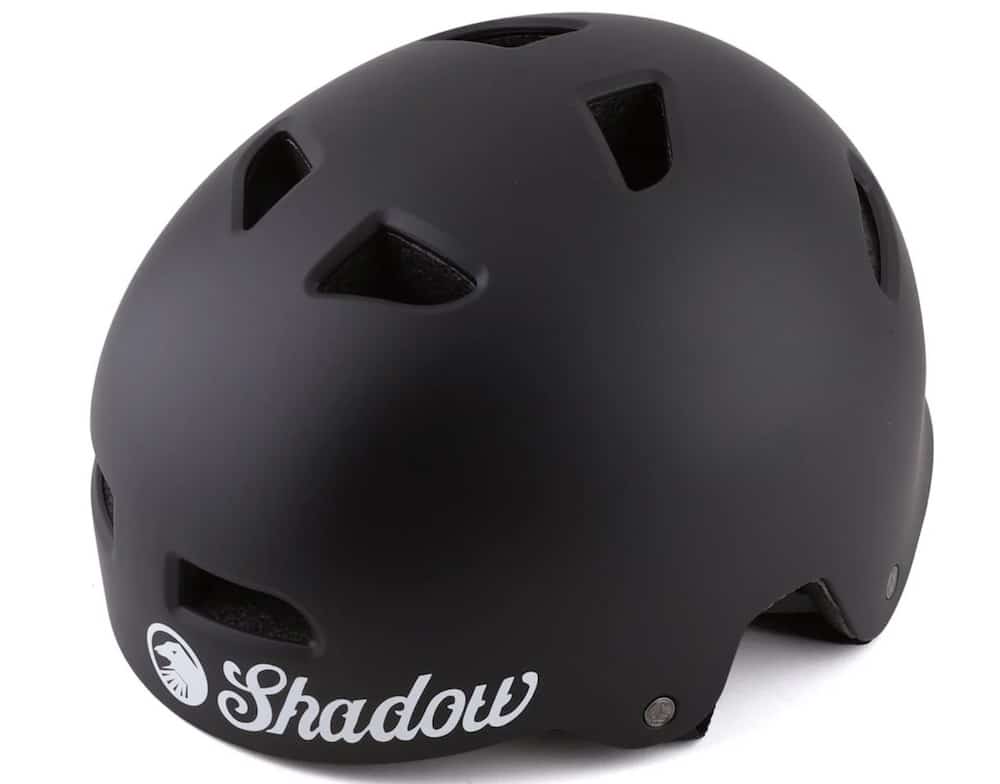
If you’re a fan of the Shadow Conspiracy but are searching for a more affordable helmet then their Classic helmet will do the trick.
The helmet features all the latest technologies to get the best bang for your buck. It comes in three colors, white, gloss and matte black, and four sizes (XS, S/M, L/XL, 2XL). Remember, you also get two sets of padding to adjust the fitting accordingly.
Yup, there’s something for everyone!
The helmet is only 60g heavier than the Featherweight version, ensuring a great and comfortable fit, even during your multi-hour long sessions. And the ten ventilation holes will keep you cool.
Shadow Classic BMX helmet specs:
- Weight: 14 oz (400 g)
- Price: $64.99 (may vary)
6. TSG BMX/Skate Helmet – Best Budget BMX Helmet
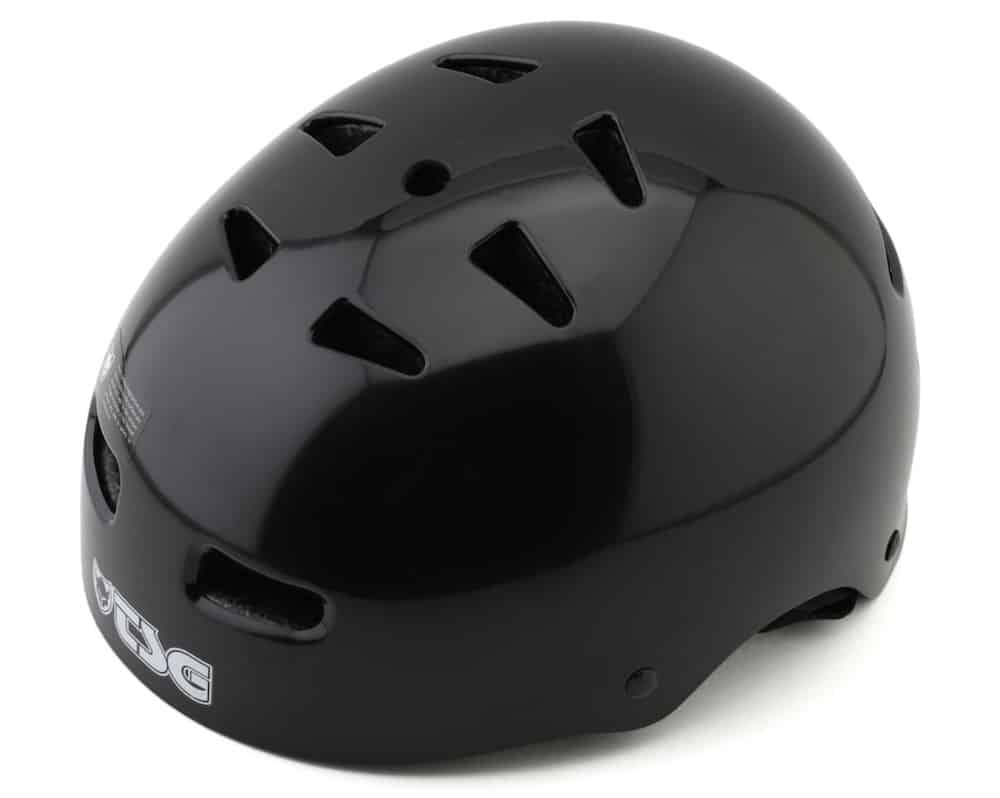
This one is pretty widespread and popular!
TSG’s BMX/Skate helmet is a fully certified lid made for riders who want solid protection without a bulky feel.
The shell uses an ABS outer with EPS foam inside, keeping it tough while still soaking up impacts properly.
Fit is easy to dial in because TSG includes two sets of pads, so you can mix thicknesses until it feels snug and comfy.
Venting is legit too.
The helmet has air channels that pull fresh air in and push stale air out while you ride.
Moreover, the weight is about 14.8 oz (420g), which feels nice for longer sessions.
And finally, size-wise, you’ve got S/M (54–57cm) and L/XL (58–61cm) options, so most riders can find a good fit.
TSG BMX/Skate helmet specs:
- Weight: 14.8 oz (420 g)
- Price: $44.95 (may vary)
7. Fly Racing Rayce Full Face Helmet – Best Full-Face BMX Helmet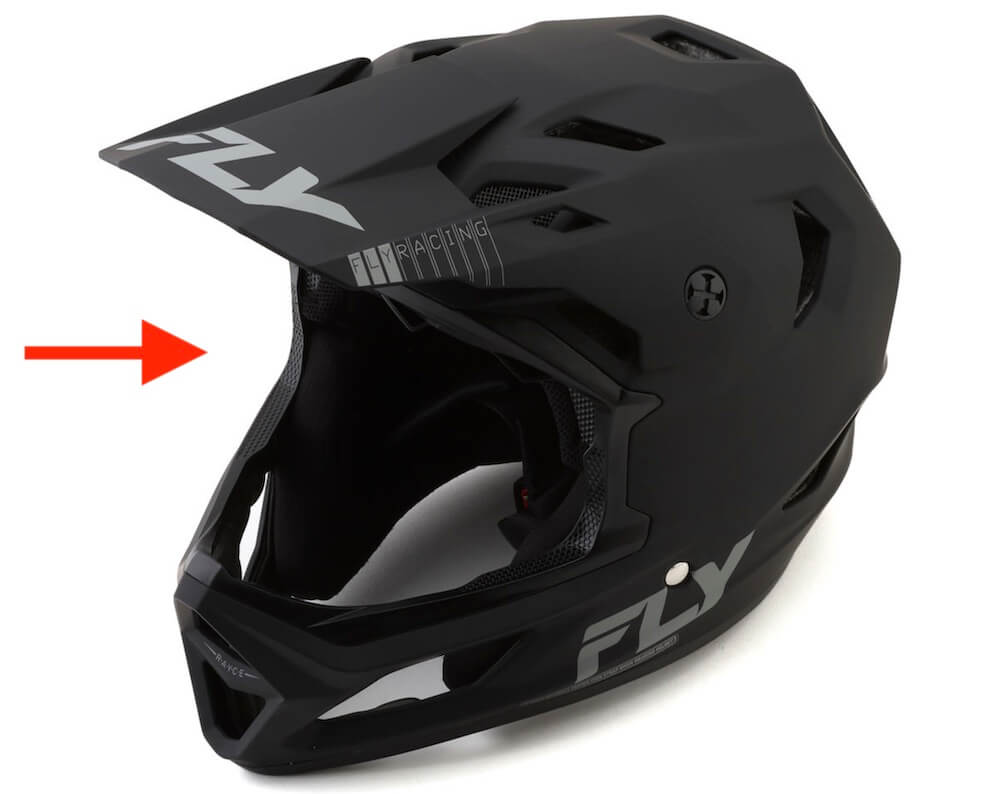
Okay, let’s speak about the epic Fly Racing Rayce Solid helmet.
First, I wouldn’t recommend it for every street or park rider because, let’s be real, a full face can be too distracting.
But for BMX racing, pump tracks, dirt jumps, bigger jumps, or younger riders who need more coverage, this one fits really well.
It’s a proper bicycle full-face helmet, not a heavy moto helmet pretending to be a BMX helmet.
The Rayce Solid uses a lightweight poly-alloy shell, an EPS foam liner, a padded D-ring chin strap, and a removable/washable liner with cheek pads.
Another thing I like is the weight.
At around 32.8 oz for a size medium, it’s still heavier than a regular skate-style BMX helmet, of course, but it’s not crazy heavy for a full-face helmet.
Plus, Fly’s True Functional Ventilation system helps move air through the front vents, inside channels, and rear exhaust vents, so it shouldn’t feel like you’re wearing a hot plastic bucket on your head.
If you want more face and jaw protection, the Fly Racing Rayce Solid is a strong full-face BMX helmet to check out.
I also wrote a full Fly Racing Rayce Solid helmet review if you want a closer look at the fit, comfort, ventilation, BMX use, MTB use, and downsides before buying.
Fly Racing Rayce Full Face helmet specs:
- Weight: 32.8 oz (930 g)
- Price: $139.95 (may vary)
How To Make A BMX Helmet Look Better Without Ruining The Fit
A BMX helmet can look good without sizing down or messing with the padding.
The key is choosing the right shell shape, profile, color, and fit from the start.
Here’s what I’d focus on:
- Look for a low-profile shell: Some BMX helmets naturally sit closer to the head and look less bulky. (Kali nails it with that, in my opinion.)
- Choose a deeper fit: I usually prefer helmets that sit lower around the head instead of looking like they’re perched on top.
- Stick with the correct size: Don’t size down just to make the helmet look smaller. It still needs to fit securely and comfortably.
- Use the supplied padding properly: Different pad thicknesses can help fine-tune the fit, but I wouldn’t remove padding just for looks.
- Go for simple colors: Black, white, matte finishes, and cleaner graphics usually make a helmet look less bulky. I prefer matte black.
- Pay attention to shell proportions: Two helmets can have the same safety rating but look very different once they’re on your head.
- Try different brands if needed: Head shape matters. One helmet might look huge on you, while another sits much cleaner even in the same size.
Ideally, try a few different helmets, and go from there.
How To Make A BMX Helmet Last Longer
A BMX helmet is a crucial piece of safety equipment, and ensuring its longevity is important. Here are four key tips to help make yours last longer:
1. Proper Storage
Avoid direct sunlight: Store your helmet in a cool, dry place away from direct sunlight. UV rays can degrade the materials of the helmet over time.
Safe storage space: Ensure that you place the helmet in a safe spot where it won’t get knocked around or fall onto a hard surface, as this can cause damage.
2. Keep It Clean
Regular cleaning: Clean your helmet regularly to remove dirt, sweat, and oils, which can degrade the helmet’s materials over time.
Use gentle products: Use a mild soap and warm water to clean the helmet. Avoid using harsh chemicals, as these can damage the helmet’s materials. (I wash my liners in the washing machine on gentle, with my other sport clothing.)
3. Inspect Regularly
Check for damage: Regularly inspect your helmet for any signs of damage, such as cracks in the foam, fraying straps, or a damaged buckle.
Replace if necessary: If you find any signs of damage, replace the helmet immediately. Even small cracks can significantly reduce the helmet’s ability to protect you in a crash.
4. Handle With Care
Gentle use: Avoid throwing or dropping your helmet, as this can cause damage, even if it’s not immediately visible.
Avoid modifications: Do not make any modifications to your helmet (like drilling holes), as this can compromise its integrity and safety.
Bonus: Replace After Impact
Post-crash replacement: If you have been involved in a crash, or if the helmet has taken a significant impact, replace it immediately, even if there are no visible signs of damage.
The foam inside the helmet is designed to compress upon impact to absorb energy, and it does not bounce back after compressing.
By following these tips, you can help ensure that your BMX helmet remains in good condition, providing the maximum level of safety and protection for as long as possible.
Remember, when it comes to safety gear, it’s always better to err on the side of caution and replace the helmet if there is any doubt about its integrity.
What Makes A Good BMX Helmet?
A good BMX helmet should protect your head properly, fit securely, and stay comfortable so you actually want to wear it.
Here’s what I pay attention to:
- Proper safety certification: Always check that the helmet is certified for the type of riding you do.
- Correct fit: The helmet should sit snugly without painful pressure points. It shouldn’t rock around, slide backward, or move when you shake your head.
- Good coverage: I prefer helmets that sit fairly deep around the head instead of feeling like they’re perched on top.
- Comfortable padding: Soft, well-placed padding makes a big difference, especially during longer sessions.
- Low-profile shape: A slimmer shell usually looks better and feels less bulky.
- Ventilation: More vents can help a lot during hot park sessions, trails, or summer riding.
- Reasonable weight: A lighter helmet is usually more comfortable, but weight shouldn’t come at the expense of proper protection or coverage.
- Secure straps and buckle: The chin strap should be easy to adjust and stay firmly in place while riding.
How Should A BMX Helmet Fit?
- It shouldn’t move around: Shake your head gently from side to side. The helmet should move with your head instead of sliding independently.
- It should sit level: The front edge should sit relatively low on your forehead rather than exposing too much of it.
- There shouldn’t be painful pressure points: Snug is good. Headaches, pinching, or strong pressure in one spot usually mean the size or helmet shape isn’t right.
- The straps should sit securely: Adjust them so the helmet stays in position without the straps digging into your skin.
- The chin strap shouldn’t be loose: You should be able to open your mouth comfortably, but there shouldn’t be enough slack for the helmet to shift during a crash.
- Use the manufacturer’s size chart: Measure around the widest part of your head and compare that number with the helmet’s recommended sizing.
Conclusion: What’s The Right BMX Helmet For You?
The right BMX helmet depends on how you ride, how much coverage you want, and which shape fits your head best.
If you want a slimmer, cleaner-looking helmet, the Pro-Tec Classic and Pro-Tec Low Pro are strong choices.
If you want MIPS, the POC Crane MIPS stands out.
For a more affordable open-face option, the Shadow Classic and TSG BMX/Skate are both solid picks.
And if you race BMX, hit bigger jumps, or simply want more face coverage, I’d look at the Fly Racing Rayce full-face helmet.
But whichever one you choose, fit comes first.
Measure your head, follow the brand’s sizing chart, and make sure the helmet sits snugly without pressure points or excessive movement.
A helmet that fits properly and suits your riding is always the better choice than one you picked just because it looks good.
FAQs About BMX Helmets
What is the best BMX helmet?
The best BMX helmet is one that fits properly, suits your riding style, and carries the right safety certification.
Do you need a special helmet for BMX?
Not necessarily, but the helmet should be designed and certified for the type of riding you do.
What helmet is best for BMX street riding?
A low-profile open-face helmet is usually the best choice for street BMX.
What helmet is best for BMX park riding?
For park riding, I’d look for a lightweight open-face BMX helmet with good ventilation and a secure fit.
Are BMX helmets and skate helmets the same?
They can look almost identical, but they aren’t always certified for the same activities.
Should a BMX helmet have MIPS?
It doesn’t have to. MIPS adds a low-friction layer designed to allow some movement during certain angled impacts, but fit, certification, coverage, and comfort still matter just as much when choosing a BMX helmet.
Are low-profile BMX helmets safe?
A low-profile helmet can still provide proper protection as long as it meets the relevant safety standards and fits correctly.
How should a BMX helmet fit?
It should fit snugly without painful pressure points. The helmet should sit level on your head, cover your forehead properly, and stay in place when you move your head around.
How tight should a BMX helmet be?
Snug, but not uncomfortable. It shouldn’t slide around freely, but it also shouldn’t cause headaches, pinching, or excessive pressure.
How do you measure your head for a BMX helmet?
Use a soft measuring tape around the widest part of your head, usually just above the eyebrows and ears.
Should you size down in a BMX helmet?
No, not simply because you want the helmet to look smaller.
Are BMX helmets good for adults?
Yes. BMX helmets come in a wide range of sizes, so adults should choose based on head circumference and fit.
Are BMX helmets different for kids?
Kids’ helmets are generally smaller and may use different sizing ranges, but proper fit and certification still matter most. Check out these specific full face BMX helmets for kids.
Is a lighter BMX helmet better?
Not automatically. A lighter helmet can be more comfortable during long sessions, but fit, coverage, certification, and construction are more important.
Is a full-face helmet better for BMX?
It depends on how you ride. Full-face helmets offer more face and jaw coverage, while open-face helmets are lighter, cooler, and more common for freestyle BMX.
Do BMX racers need full-face helmets?
Full-face helmets are the standard choice for BMX racing because they provide significantly more coverage around the face and jaw.
Can you use a BMX helmet for mountain biking?
Some BMX helmets can work for mountain biking, but it depends on the helmet and the type of MTB riding you do.
Can you use a BMX helmet for scooters or skateboarding?
Yes, you can use a BMX helmet for scooters and skateboarding.
How long does a BMX helmet last?
There isn’t one fixed lifespan that applies to every BMX helmet. Inspect it regularly and follow the manufacturer’s replacement guidance, especially if it has seen heavy use.
Should you replace a BMX helmet after a crash?
Yes, after a significant impact. Damage to the protective foam isn’t always visible from the outside, so a helmet that took a hard hit may no longer protect you as intended.
Can you wash BMX helmet pads?
Usually, yes, if the pads are removable. Hand-wash them with mild soap and let them air dry; that’s generally the safest approach.
Can you remove BMX helmet padding?
Only if the manufacturer designed the padding to be removable or interchangeable.
Why do BMX helmets look so big?
Some helmets use thicker shells or sit higher on the head, which makes them look bulkier.
::
Note: This article was originally published on July 3, 2022. But I regularly review it and update it with necessary improvements for accuracy.