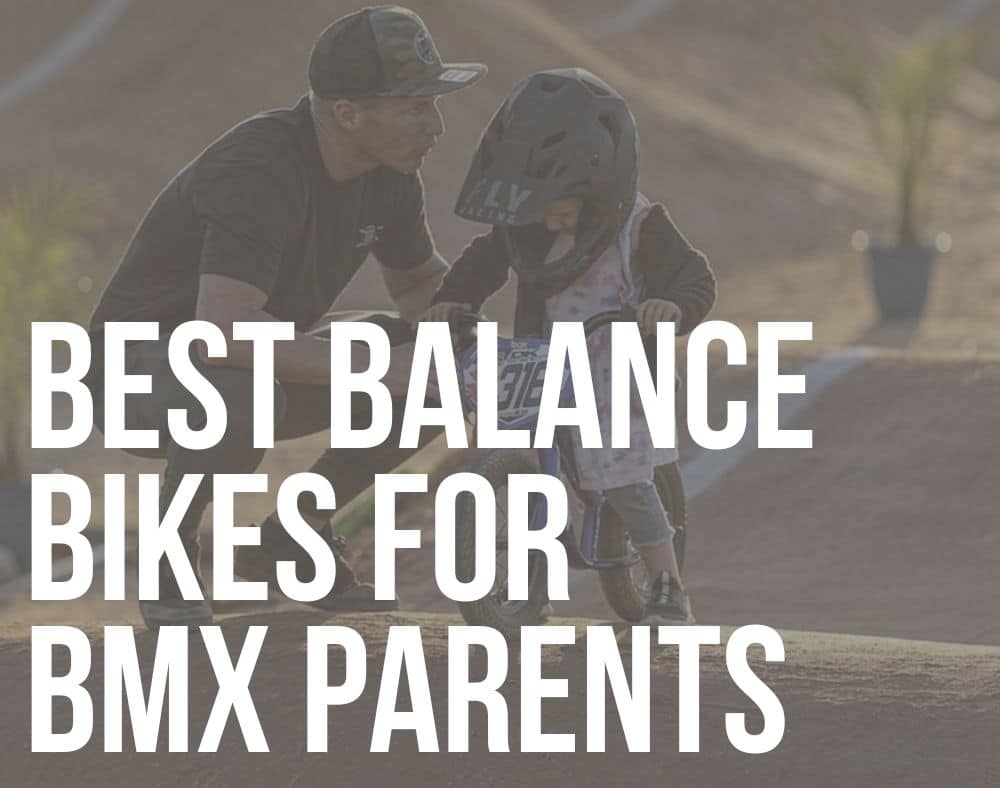

Balance bikes aren’t just for toddlers!
They’re the secret sauce for future BMX champs.
No pedals means kids learn to balance first. That makes the jump to a real BMX bike a breeze.
Even if you’d like them to start on a BMX Race track, they can actually start on a balance bike.

Yes, you read that right!
You know the thrill of nailing that first jump or cruising a banked turn.
Well, a balance bike gives your toddler that same rush – minus the pedals – so they learn balance, steering, and body control before they even think about pedaling.
And training wheels? Who even needs that?!
This is THE secret recipe that takes little ones from wobbly beginners to two-wheeled dynamos in months, not years.
In this guide, we’ll dive into everything you need: why balance bikes are pure gold for BMX families, the must-have features to look for, and my top picks that combine lightweight frames, killer adjustability, and tires built for every surface.
I’ll also share pro tips from fellow BMX moms and dads, answer your burning FAQs, and help you pick the perfect ride so your kid can start shredding sooner.
Let’s turn those first steps on two wheels into a lifelong love of shredding.
Strap on your helmet, and let’s roll!
This post covers:
- Why Balance Bikes Rock For BMX Families
- How To Choose A BMX Balance Bike
- 4 Best Balance Bikes For BMX Dads & Moms
- Tips From BMX Parents
- Conclusion: Which Balance Bike For Your Little Shredder?
- FAQs About BMX Balance Bikes
Why Balance Bikes Rock For BMX Families
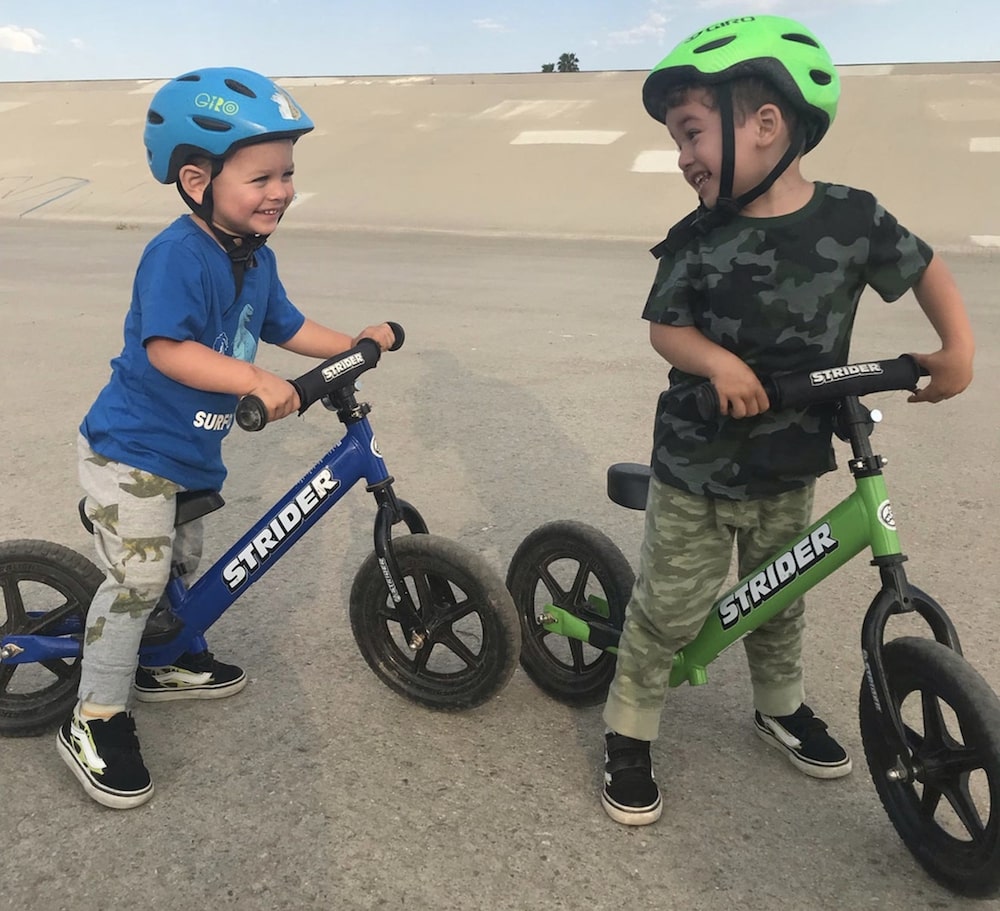
Balance bikes are the unsung heroes of BMX training.
They strip away pedals, letting kids focus on shifting weight, steering, and fine-tuning that all-important sense of balance.
Here’s why they matter:
1. Pure Balance Mastery
Without pedals getting in the way, toddlers learn to counter‑steer and lean into turns just like on a full‑sized BMX.
That muscle memory translates instantly when pedals hit the frame.

Imagine starting to train that muscle memory at the age of 2!
Well, I cannot.
But it’s possible with the right balance bike.
2. Zero-Fear Confidence
Kids feel totally in control from the first ride.
They learn to start, stop, and navigate obstacles at their own pace—no training wheels needed, no falls that shake their spirit.
3. Seamless Skill Progression
Once they’ve nailed coasting, adding pedals is a formality.
Their brains and bodies already know how to lean, balance, and charge off jumps, shave berms, and drop curbs.
4. BMX-Specific Geometry
Many balance bikes mirror the angles and sizing of real BMX frames.
That means kids get a tiny taste of real racing and park riding mechanics long before they’re old enough for the upgrade.
5. Family-Friendly Adventure
Balance bikes turn everyday walks into mini BMX sessions.
Parks, driveways, trails, pump tracks, anywhere becomes a training ground.
And when siblings or friends join in, it’s instant camaraderie.
6. Fast-Tracked Progression
Kids who start on balance bikes often skip the wobbles of training wheels entirely.
Not necessary at all.
They’re ripping on full BMXs as fast as their little legs and growing skills allow.
How To Choose A BMX Balance Bike
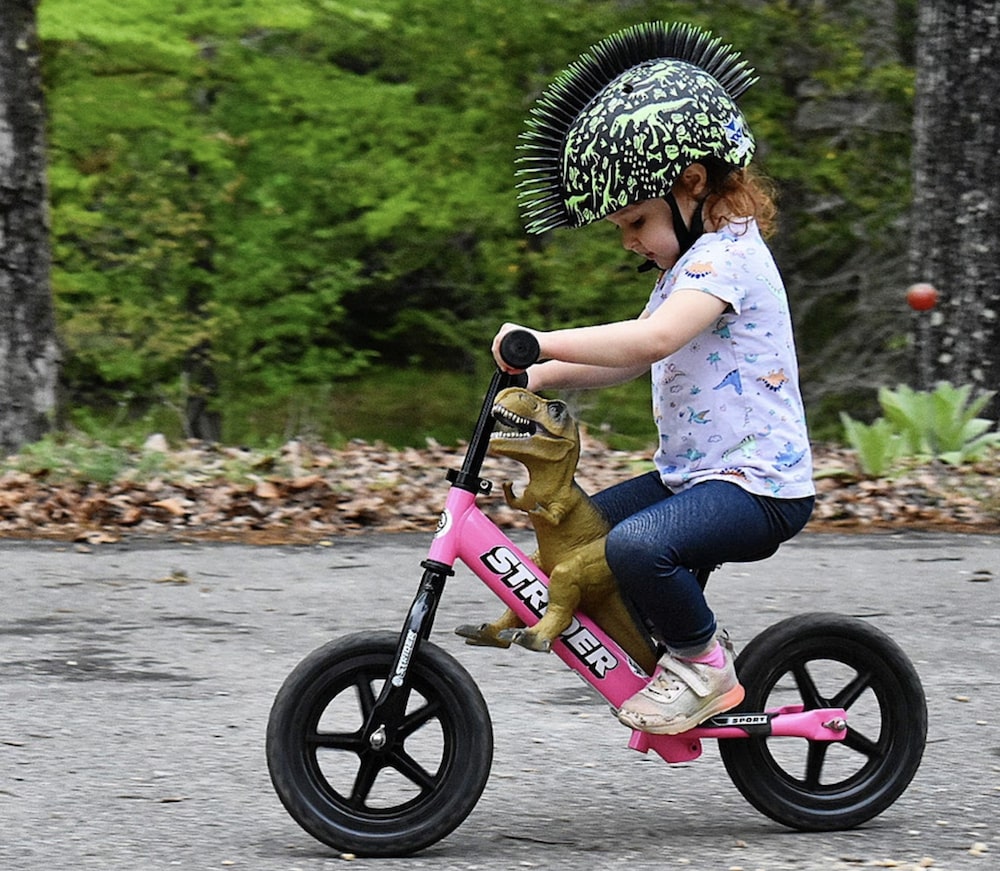
- Frame material: Light vs. tough – Aluminum is light for easy lifting. Steel is tougher for rough play.
- Adjustability: Seat and bar height – look for quick-adjust clamps. Grows with your kid.
- Tires: Foam or air? Foam: no flats, low maintenance. Air: smoother ride, better grip.
- Weight: Easy to lift on and off the van. Aim for under 5 kg. Toddlers shouldn’t struggle carrying it.
- Brakes (?): Optional for older toddlers. Hand brakes help when they’re ready. But initially, they aren’t necessary.
4 Best Balance Bikes For BMX Dads & Moms
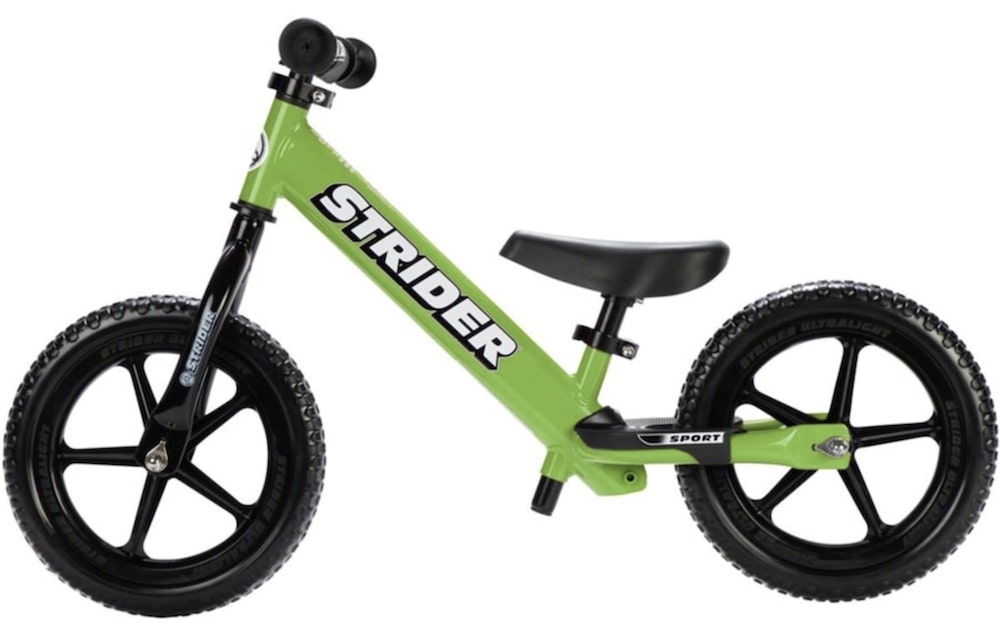
1. Strider 12″ Sport Balance Bike (Lightest!)
Who it’s best for: toddlers and preschoolers (ages 1–4) ready to cruise at home, parks, and your neighborhood sprint track.
Why BMX parents swear by it:
- Ultralight steel frame (6.7 lb / 3 kg): easy for tiny riders to push and parents to lift
- No-flat 12″ foam tires: zero maintenance means more riding, less pumping
- Adjustable seat (11″–17″) & handlebar (18″–22″): grows with your little shredder
- Mini grips & safety pad: perfect fit for small hands and extra peace of mind
- Built-in footrests: practice coasting and learn proper balance for next-level riding
Strider 12″ Sport specs:
- Frame: Steel
- Tires: 12″ foam, maintenance-free
- Seat height: 11″ – 17″ (28 – 43 cm)
- Handlebar height: 18″ – 22″ (46 – 56 cm)
- Weight: 6.7 lbs (3.0 kg)
- Max rider weight: 60 lb (27 kg)
- Price: $129.99
What to watch for: foam tires can slip on loose or muddy terrain.
GET THE STRIDER SPORT BALANCE BIKE NOW!Note: Check out my extensive Strider 12″ Sport Balance Bike review for all the ins and outs!
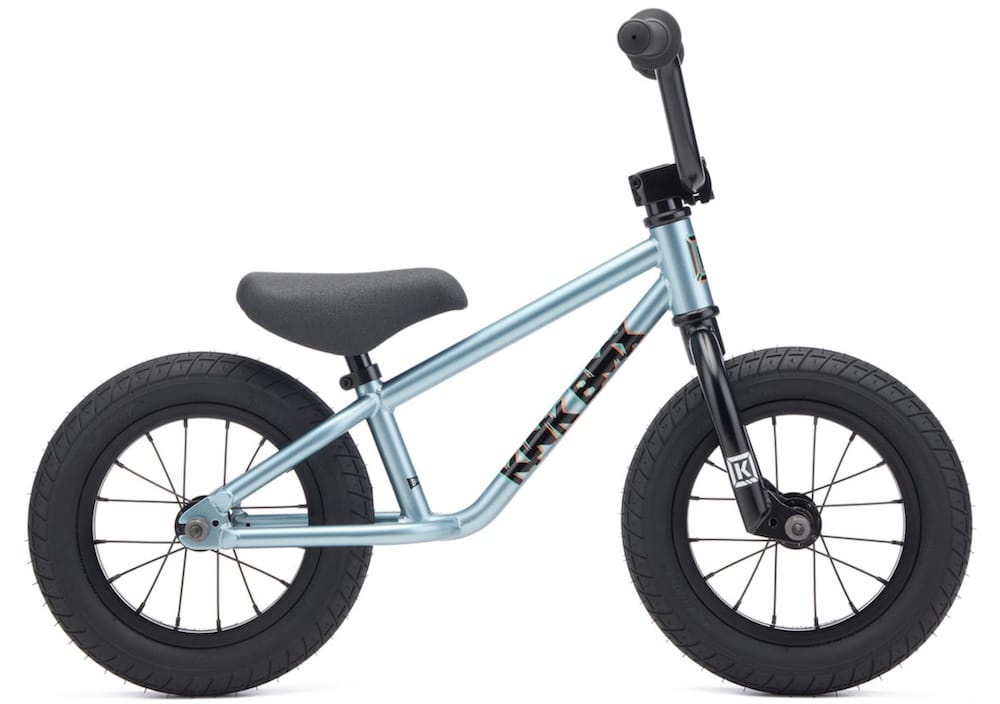
2. Kink Coast 12″ Balance Bike
Who it’s best for: kids ages 2 and up who crave a real BMX feel – perfect for parks, sidewalks, and backyard sessions.
Why BMX parents swear by it:
- True mini‑BMX geometry with 100% hi‑tensile steel frame, 5″ Kink T500 bars, and tapered Lance fork for authentic handling
- Ultra‑low standover height (just 4.5″) makes hopping on/off a piece of cake (I bet your kid will want that piece of cake, too)
- Adjustable seat (14.25″ – 16.75″) so the Coast grows with your little rider
- Mission Tracker 12 x 2.25″ tires deliver serious grip and cushioning over every surface
Kink Coast specs:
- Weight: 12.1 lbs (5.5 kg)
- Color: Galaxy Gray
- Price: $199.99
What to watch for: slightly heavier than alu‑frame bikes and a higher price point – but you get durability and an authentic BMX vibe in return.
GET THE KINK COAST BALANCE BIKE NOW!Note: Don’t forget to dive into my in‑depth Kink Coast Balance Bike review!
3. DK Nano 12″ Balance Bike
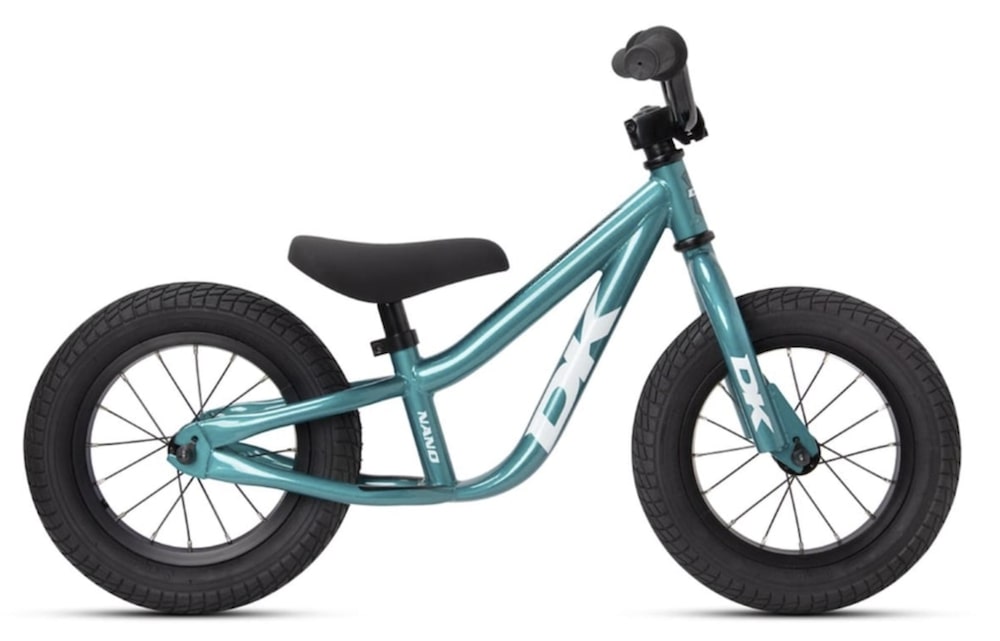
Who it’s best for: kids ages 2 – 5 who love exploring every crack and hill. Ideal for parks, sidewalks, and backyard races.
Why BMX parents swear by it:
- Low-profile hi-ten steel frame: tough enough for daily play
- Integrated foot platform: perfect for practicing coasting and balance
- 12″ inflatable tires: smooth ride with real grip
- Adjustable padded seat (11.75″ – 14.25″) and bolt-on clamp: grows with your rider, no tools needed
- Light at 10.6 lb (4.8 kg): little ones push off easily, and parents can lift with one hand
DK Nano specs:
- Frame & fork: High-tensile steel
- Headset: 1″ threadless
- Handlebars: Alloy riser
- Wheels & tires: 12″ alloy + inflatable rubber
- Seat height: 11.75″ – 14.25″
- Rider height range: ~25″ – 40″
- Weight: 10.6 lbs (4.8 kg)
- Price: $199.99
What to watch for: occasional tire maintenance (you’ll need a mini pump), no kickstand, and steel frame is a bit heavier than aluminum options.
GET THE DK NANO BALANCE BIKE NOW!Note: I also created a full-blown DK Nano Balance Bike review for your convenience!
4. Fit Misfit Balance Bike
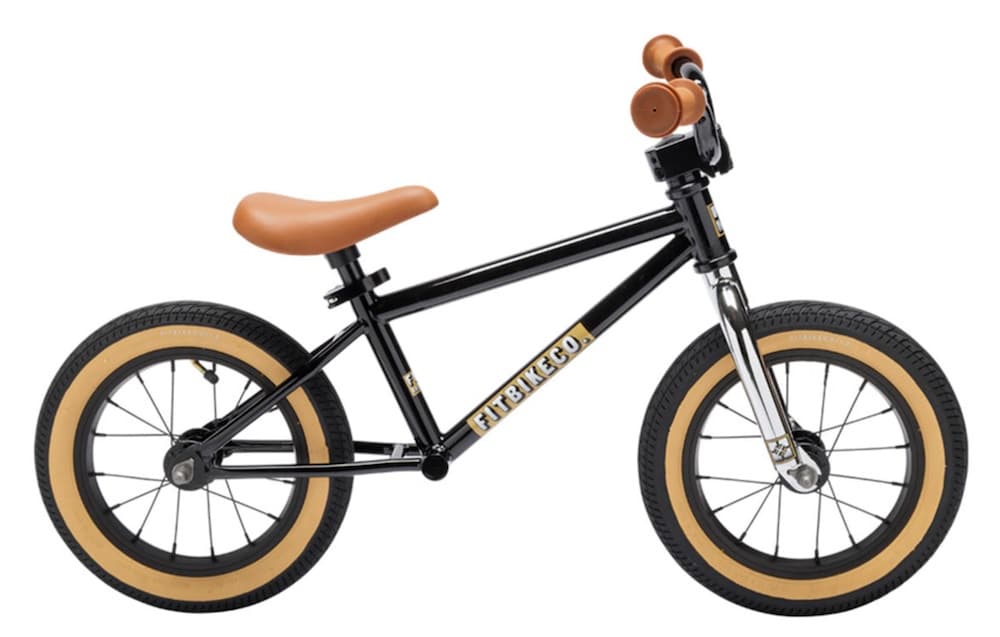
Who it’s best for: little shredders who want a real BMX-looking balance bike (usually ages ~2–5), and parents who want something simple that teaches balance fast.
Why BMX parents swear by it:
- Proper BMX vibe in a tiny package, so kids get used to the “real bike” feel early.
- Super simple setup: 12” TT, TIG-welded steel frame, 1” A-headset, and a mini front load stem.
- 10mm offset fork helps keep steering feeling stable (less “shopping cart” wobble).
- Nice kid-friendly touches like a quick-release seat clamp (easy height changes) and curved valve stems.
Fit Misfit specs:
- Frame & fork: Tig-welded steel
- Headset: 1″ threadless
- Handlebars: 2.5″ rise, 16″ width
- Wheels & tires: Single wall rims + Fit OEM (1.5″)
- Weight: 9.6 lbs (4.3 kg)
- Price: $254.95
What to watch for: it runs unsealed hubs and single-wall wheels, which is totally normal for a balance bike, but it’s not the “premium sealed bearings” route.
GET THE FIT MISFIT BALANCE BIKE NOW!Tips From BMX Parents
- Help your kid hop on/off: hold the seat at the back and guide their feet to the ground.
- Best surfaces for first rides: smooth concrete, packed dirt – avoid gravel.
- Don’t skip the helmet! A proper toddler helmet keeps them safe and comfy.
Conclusion: Which Balance Bike For Your Little Shredder?
My top pick for your little one is the Kink Coast – perfect blend of weight, durability, and adjustability.
And that BMX look?
Priceless!
You’ve done the homework, weighed the pros and cons, and scoped out the heavy hitters.
Now it’s time to pull the trigger – and trust me, your little ripper will thank you.
Imagine the grin on their face when they launch off that first mini-ramp or carve their first paper-thin skid in the parking lot.
That sense of freedom, that rush of “I’ve got this” – you’re setting them up for a lifetime of two-wheeled stoke.
Regardless of which you pick – the all-around Kink Coast, the rugged DK Nano, or the wallet-friendly Strider Sport – know this: you’re investing in more than just plastic and metal.
You’re investing in your kid’s confidence, coordination, and pure joy.
You’re handing them the keys to endless adventures – Sunday morning family rides, backyard obstacle courses, and sneaky pavement sessions after school.
So here’s my challenge: don’t let this guide gather dust on your screen.
Go on – make it happen.
Get the ride that feels right, strap on those helmets, and watch your kid discover what it really means to fly on two wheels.
The balance bike life is calling.
Happy riding!
Or, should I say, happy shredding, little dude!
FAQs About BMX Balance Bikes
At what age is it best to start on a balance bike?
Most kids hop on around 18 – 24 months, once they can walk steadily. Some early walkers cruise at 16 months, while others start closer to 2.5 years – watch your child’s confidence on their feet to decide.
Should my toddler use a brake on a balance bike?
Not at first. Little riders learn to use their feet to slow down and stop. Around age 3 – 4, you can upgrade to a model with a hand brake for extra control and safety as speeds pick up.
How do I know if the seat height is right?
A good rule: your child’s feet should be flat on the ground with a slight bend in the knee when seated. Check seat height every few months – kids grow fast, and quick-adjust clamps make it easy.
Foam tires or air-filled – what’s better?
Foam = no flats, maintenance-free, but a bit less grip on loose or wet terrain. Air = smoother ride, better traction, but you’ll need to pump them up and patch occasional leaks.
How long do balance bike skills stick once we add pedals?
Kids who master coasting and steering often transition to a pedal bike pretty much “overnight” – no training wheels required. Expect a smooth switch within a few days to a week, depending on your child.
Can we ride on trails and pump/race tracks?
Yes. Choose a model with air tires (like the DK Nano) for off-road grip. Start on flat, packed dirt and move up to small rollers and berms once confidence builds.
How do I teach my kid to balance and push off?
Start on a gentle slope or slight incline. Hold the back of the seat, let them push off with both feet, then lift your hand as soon as they find their balance. Cheer them on – positive vibes accelerate progress.